
Volleyball is more than just a game; it’s a blend of strategy, skill, and teamwork. For budding athletes, mastering the essentials through focused training drills is crucial. This article outlines ten essential volleyball training drills tailored for aspiring players looking to elevate their game and understand fundamental techniques.
The importance of these drills cannot be overstated. Whether you are a player who dreams of competing at higher levels or a coach seeking to improve your team’s performance, these drills will help you develop foundational skills integral to success in the sport today.
1. Serving Drills: The Foundation of Play
Serving is the first opportunity to score, making it a fundamental skill. Practicing various serving techniques—like underhand, overhand, or jump serves—will increase your versatility and effectiveness during matches.
One effective drill involves the “Target Serving Drill,” where athletes aim to hit specific zones on the court. This allows players to practice precision serving, which can be crucial during tight match situations.
2. Passing Drills: Building Communication and Precision
Passing is vital for transitioning from defense to offense. The “Three-Person Pass” drill encourages players to work in groups of three, focusing on accurate passes and seamless communication.
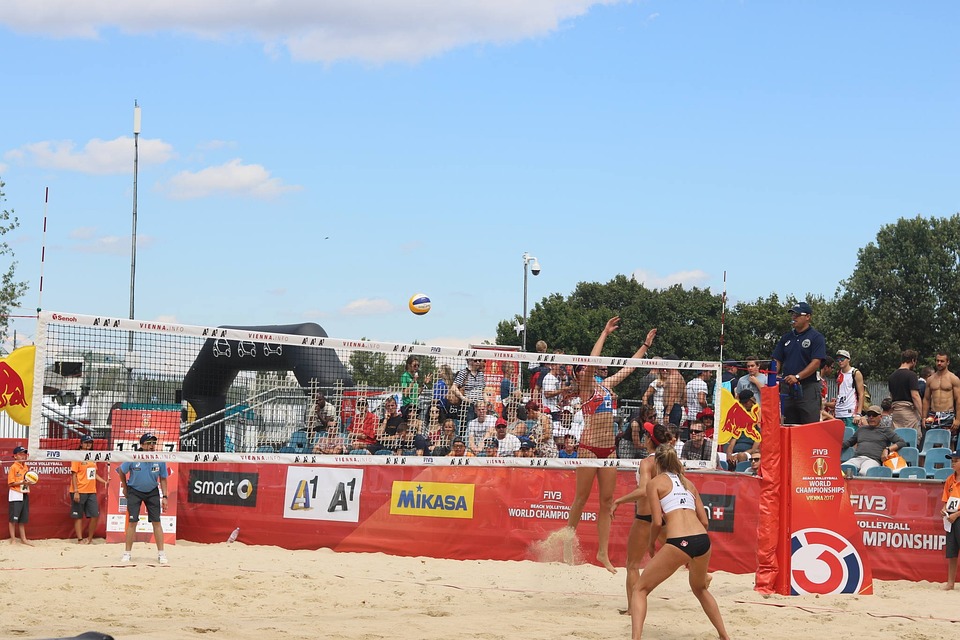
In a real match, like during the FIVB World Championships, effective passing can set up successful attacks, transforming potential digs into points. Mastering passing drills sharpens athletes’ reaction time and accuracy, essential for high-stakes games.
Match Example: Quick Transition Scenarios
In a recent match between Team USA and Brazil, passing accuracy allowed the U.S. to swiftly counterattack and secure points. Players need to understand that consistent passing can change the game’s momentum.
3. Setting Drills: Mastering the Playmaker Role
Setting is often considered the heartbeat of the game. The “Setter’s Triangle” drill helps players develop footwork, timing, and coordination with hitters. By practicing quick set releases and accommodating different approaches, setters become more adept in high-pressure situations.
In tournaments, consistent setting establishes trust between players, allowing for well-timed spikes that can exploit defensive weaknesses.
Technical Breakdown: Timing and Footwork
Key elements include:
- Approach: Setters must angle toward the ball.
- Release: Setters need to focus on timing their footwork with the hitter’s jump.
4. Hitting Drills: Developing Offensive Power
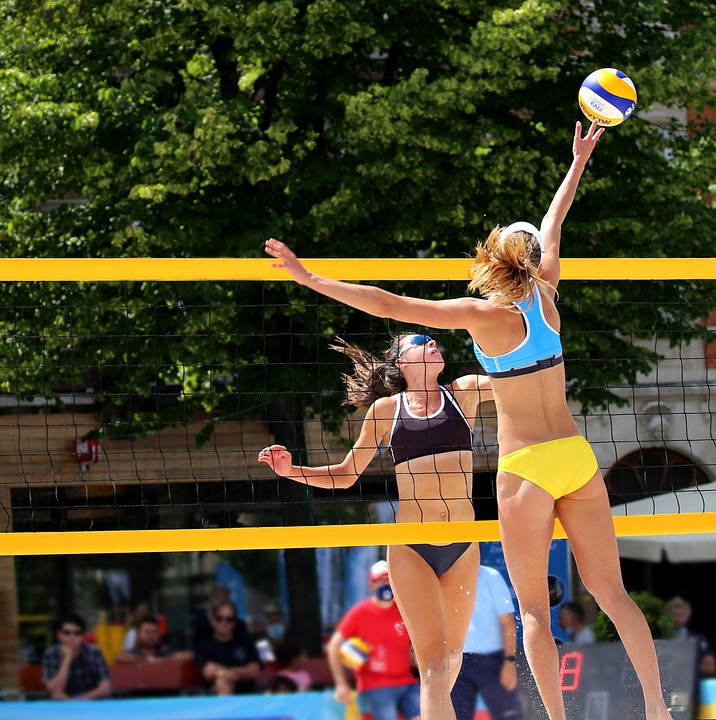
Hitting drills, such as “Attack Line Adjustments,” focus on proper footwork and hand positioning before spiking. Players learn to read the setter’s signals and adjust their approach angles based on defensive setups.
A recent key match showcased Zhu Ting’s ability to execute effective spikes under pressure, demonstrating how hitting drills can translate into match-winning plays.
5. Defensive Drills: Perfecting the Dig
The dig is crucial for maintaining rallies and requires anticipation and quick reaction skills. The drill known as “Digging Under Pressure” involves players receiving hard-driven hits and focusing on proper body positioning to dig the ball accurately.
In professional play, effective digging can turn defensive efforts into offensive opportunities, echoing moments from major tournaments where teams shift momentum through solid backcourt defense.
Practical Scenario: Reading the Hitter
Athletes must learn to anticipate attackers’ shots. Analyzing the opponent’s approach can provide valuable insights, improving defensive reads during matches.
6. Blocking Drills: Building Defensive Walls
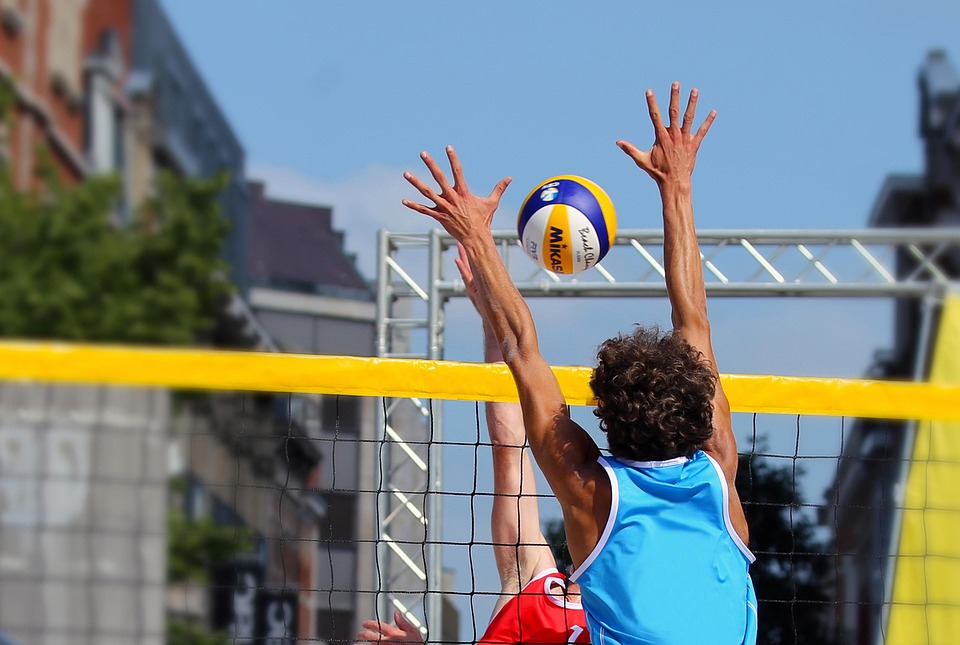
Successful blocking is built on timing and positioning. The “One-on-One Blocking Drill” allows players to practice their hand positions and jumping techniques against a single opponent.
Proper blocking can neutralize strong hitters, making it a game-changer during intense matches, as demonstrated in crucial tournament playoff situations.
Key Takeaways: Essential Drills for Aspiring Athletes
- Consistent serving practice enhances match readiness.
- Effective passing drills promote better team cohesion.
- Timely setting creates offensive opportunities.
- Hitting accuracy can decide match outcomes.
- Solid defensive drills translate to game-changing plays.
As you work on these ten essential volleyball drills, remember that repetition is key to mastery. One particular drill to incorporate regularly is the “Serve and Pass” drill, where players alternate serving and immediately transitioning to receive passes, mimicking realistic match scenarios.
By focusing on these fundamentals, aspiring athletes can better prepare for competition, sharpening their skills and growing their understanding of the game.