
Field hockey is an exciting and fast-paced sport that combines skill, strategy, and teamwork. For new coaches, understanding the rules is vital for guiding your players effectively and fostering a competitive spirit. This guide provides a comprehensive breakdown of essential field hockey rules that new coaches must know.
Why Understanding Field Hockey Rules Matters
Field hockey is played globally, with millions engaging in this dynamic sport. Familiarity with the rules helps coaches instill discipline within their teams, promote fair play, and enhance players’ development. By comprehending the rules, coaches empower themselves to make informed decisions during matches, creating a more enjoyable experience for players and spectators alike.
Basic Field Hockey Gameplay Rules
Field hockey is played between two teams, each consisting of 11 players on a rectangular pitch. The primary objective is to score goals by hitting a small ball into the opponent’s net using curved sticks.
Each match consists of two halves, typically lasting 35 minutes each at the international level. Coaches should familiarize themselves with the following key aspects of gameplay:
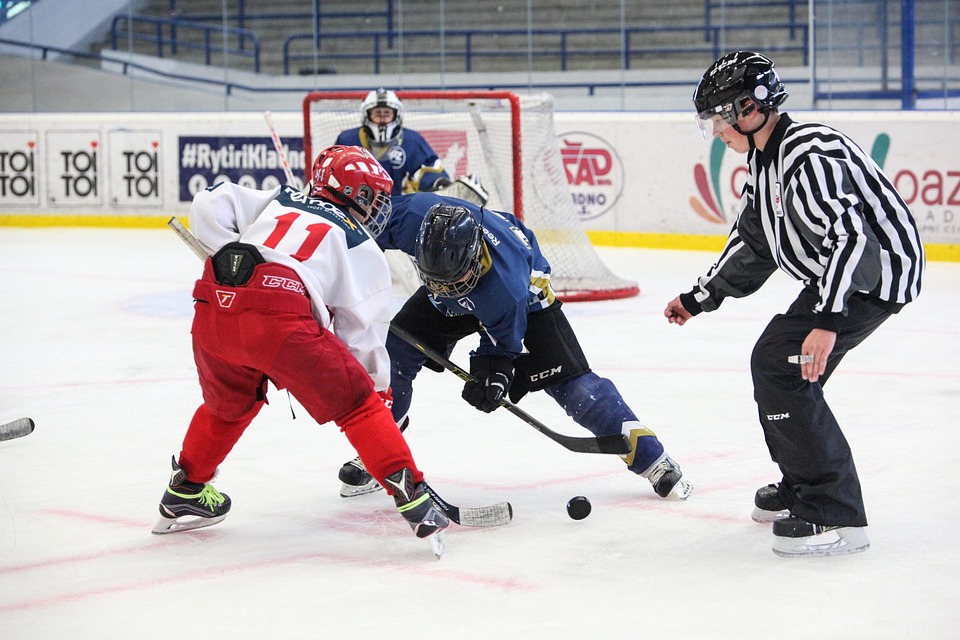
- Starting Play: The game begins with a center pass after a goal is scored or at the start.
- Free Hits: Awarded for minor fouls, these are taken from the spot where the infraction occurred, offering the attacking team an opportunity to regain possession.
- Penalty Corners: Awarded for defensive fouls inside the circle, penalty corners allow the attacking team a set piece to score from close range.
Understanding Fouls and Cards
Fouls in field hockey can disrupt the flow of the game and lead to penalties. Coaches should educate players about both minor and major fouls. Notably:
- Green Cards: These are cautionary cards issued for minor offenses, resulting in a temporary suspension of the offending player (usually 2 minutes).
- Yellow Cards: These are more serious and result in a player being suspended for a specified period, forcing the team to play a player down.
- Red Cards: These indicate a severe infraction and lead to the player’s permanent removal from the match, leaving their team at a numerical disadvantage.
To illustrate, during the 2018 Hockey World Cup, multiple players received yellow cards for intentional fouls during critical moments, impacting their teams’ strategies significantly.
Real-World Example of Card Usage
During the 2020 Tokyo Olympics, the Indian team faced the Netherlands. An Indian player was shown a yellow card for a high stick foul, forcing the team to alter their defensive strategy temporarily, showcasing the critical importance of discipline.
Key Set Pieces: Penalty Corners and Free Hits
Set pieces are integral in field hockey, and understanding how to effectively execute them is crucial for coaches.
- Penalty Corners: The team awarded the penalty corner must position a player at the top of the circle to receive the ball and execute a shot.
- Free Hits: Players taking free hits must ensure the ball is stationary and that opponents are at least five meters away.
Proper execution of these set-pieces can significantly alter the game’s outcome. For instance, Australia successfully converted numerous penalty corners during the 2019 FIH Pro League, illustrating their tactical advantage in set-piece scenarios.
Practical Application: Setting Up for Success
Coaches are encouraged to run drills focusing on these scenarios during practice sessions. For example:
- Set up a controlled scrimmage to practice penalty corner execution.
- Teach players the importance of assessing the pitch before taking a free hit to avoid unnecessary turnovers.
Defensive Rules and Responsibilities
Understanding defensive rules is equally important as offensive strategies. Here are key components every new coach should consider:
- Offside Rule: Unlike soccer, field hockey does not have an offside rule. Players can position themselves anywhere on the field as long as they’re not obstructing opponents.
- Body Contact and Stick Safety: Players must avoid making body contact or illegally using their sticks, as these fouls can lead to set pieces for the opposing team.
Understanding defensive formations, such as zonal marking or man-to-man defense, will help coaches educate players on teamwork and communication, further solidifying their defensive strategies.
Key Takeaways: Understanding Field Hockey Rules for New Coaches
- Field hockey consists of two halves; each team has 11 players.
- Free hits and penalty corners are crucial components of gameplay.
- Familiarize players with card rules: green, yellow, and red.
- Conduct drills for penalty corners and free hits to enhance game performance.
- Emphasize defensive rules and team communication during matches.
- Regularly review the rules and regulations to keep players informed.
Closing Thoughts
As a new coach, investing time in mastering the fundamental rules of field hockey will enrich your coaching experience and benefit your players immensely. By knowing the rules, executing set pieces, and strategizing effectively, you’re well on your way to cultivating a successful and competitive team. Encourage your players to embrace learning and foster a love for this rapid-fire sport, and watch them flourish on the field.