
Being an NHL goaltender is not just about stopping pucks; it’s a complex blend of mental fortitude, rigorous training, and strategic acumen. “Behind the Mask: A Day in the Life of an NHL Goaltender” delves deep into the daily routine that defines these elite athletes, exploring the dedication required to excel at this demanding position.
The Importance of the Goaltender Role in Ice Hockey
In professional ice hockey, the goaltender serves as the last line of defense, pivotal in determining the outcome of games. Coaches and players alike understand that a strong goaltending performance can propel a team to victory, while a poor showing may lead to defeat. Currently, with the NHL becoming increasingly competitive, understanding the multifaceted life of goaltenders is crucial for aspiring players and fans alike. This insight not only enhances appreciation for the sport but also raises awareness of the significant mental and physical demands on these athletes.
Morning Routines: Physical Preparation for the Game
A typical day for an NHL goaltender often begins early. Mornings are dedicated to rigorous physical training, which includes a mix of strength and conditioning exercises. Goaltenders like Andrei Vasilevskiy of the Tampa Bay Lightning employ specific workout routines tailored to improve their agility and core strength—essential attributes for making explosive lateral movements during games.
Moreover, nutrition plays a critical role in their morning routine. A balanced breakfast, rich in protein and healthy carbohydrates, fuels their day’s activities. This commitment to fitness helps ensure peak performance during practices and games. On game days, the preparation is fine-tuned to include visual training where goalies study opposing shooters, enhancing their situational awareness and reaction times.
Mental Conditioning: The Psychology of a Goaltender
The mental demands on an NHL goaltender are immense. They must maintain a focused mindset, especially during high-pressure moments such as shootouts or during the final minutes of closely matched games. Goalies like Marc-André Fleury have demonstrated the importance of mental toughness, often employing techniques such as visualization and mindfulness to stay centered.
After conceding a goal, a goaltender’s ability to reset mentally is essential. They must quickly shake off any negative feelings to remain effective in the face of ongoing pressure. This psychological resilience can greatly influence the outcome of a game, making it crucial for young players to cultivate their mental game alongside physical training.
Skills Development: Technical Mastery in Goaltending
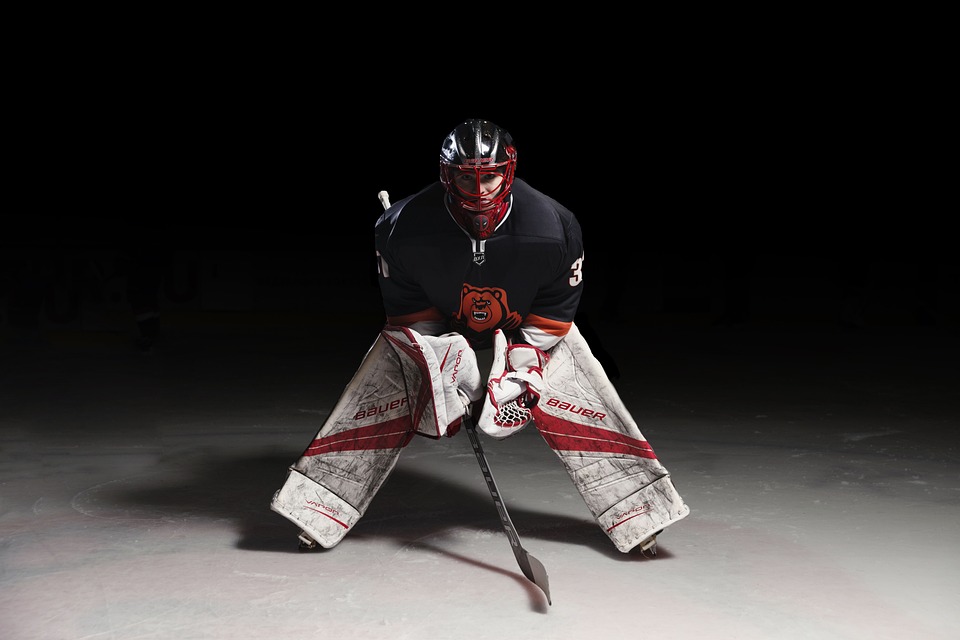
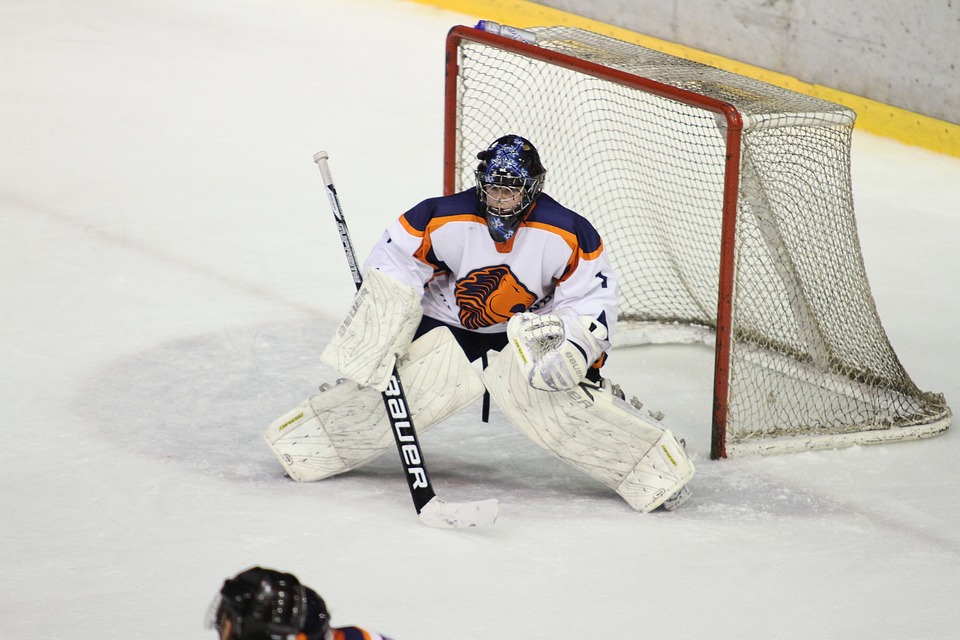
Training sessions for NHL goaltenders are also focused on skill development, encompassing a variety of techniques essential for successful play. For instance, the butterfly style, popularized by legends like Dominik Hasek, emphasizes a low stance to cover more of the net while remaining agile enough to push across the crease quickly.
Drills often focus on hand-eye coordination, reaction time, and positioning, with coaches like Mike Bales implementing targeted practices that refine these skills. As the game evolves, so too must the techniques employed by goalies, making continuous learning and adaptation crucial for long-term success.
Game Day: The Unique Responsibilities of Goalies
On game day, a goaltender’s responsibilities extend beyond the ice. Preparation involves thorough scouting reports on the opposition’s shooting tendencies, alongside discussions with coaches regarding game strategy. The pre-game routine may also include specific drills aimed at warming up while enhancing focus.
Once on the ice, goalies communicate with defensemen to establish a cohesive defensive strategy. This is vital during power plays where coordinating in the defensive zone is essential to minimizing scoring opportunities.
Key Takeaways: Behind the Mask
- Morning Training: Goaltenders kickoff their days with physical training, emphasizing agility and strength.
- Nutrition: A balanced diet is key to maintaining energy levels and performance.
- Mental Resilience: Strong psychological strategies are as crucial as physical training.
- Technical Skills: Continuous development of techniques is essential for adapting to the evolving game.
- Pre-Game Preparation: Scouting and team communication are critical for successful game performance.
The life of an NHL goaltender is a blend of rigorous training, strategic planning, and mental resilience. Young players looking to pursue a career in hockey should recognize the importance of both physical and psychological preparation to excel in this demanding yet rewarding position. Understanding the intricacies of what goes on behind the mask not only enhances players’ on-ice performance but also deepens the appreciation of fans for the game.