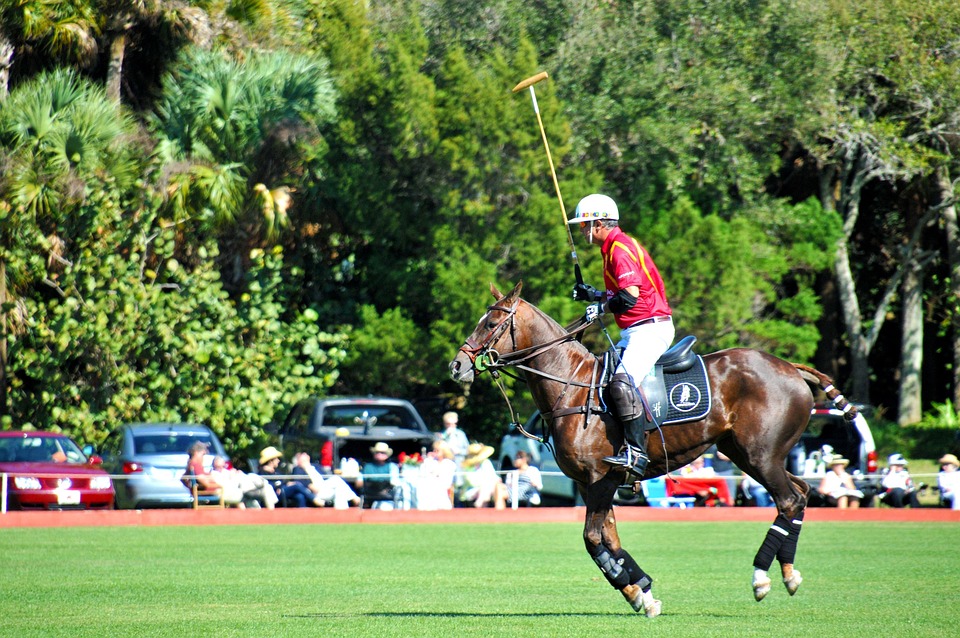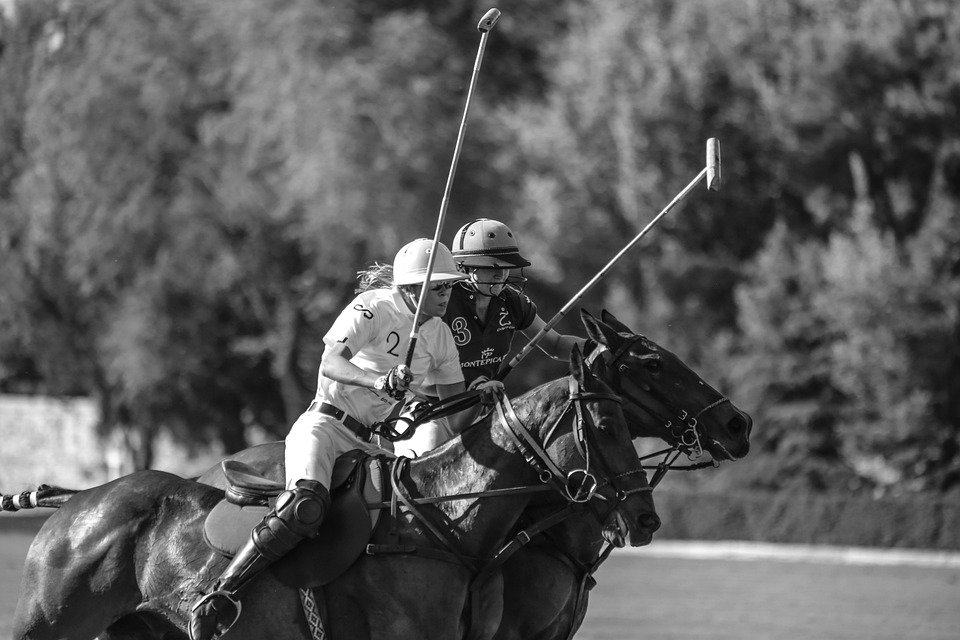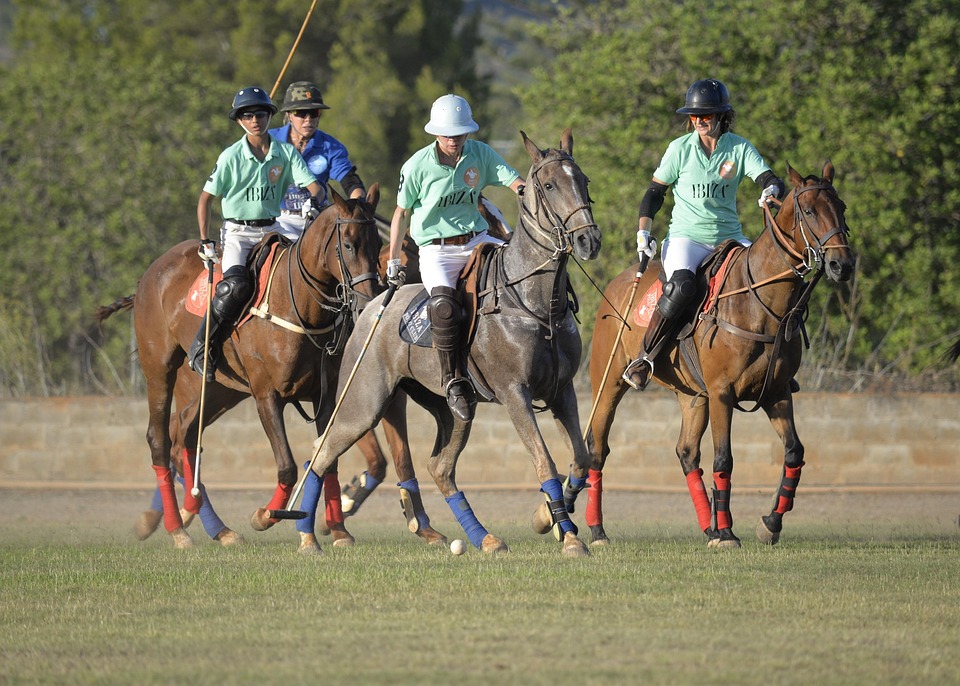


Polo, a sport steeped in tradition and excitement, is governed by a set of rules that are essential for players and spectators alike. Understanding these rules not only enhances the enjoyment of the game but also improves the players’ performance on the field. This article will break down the fundamental rules of polo that every participant and fan must know, ensuring a deeper connection with this thrilling equestrian sport.
The importance of grasping polo rules cannot be understated. With its unique gameplay mechanics and fast-paced action, polo is a challenging sport that demands both skill and strategic understanding. For players, knowledge of the rules informs tactical decisions on the field, while for enthusiasts and spectators, it enhances the viewing experience, making every match far more engaging.
Basic Gameplay Rules
At the heart of polo lies a series of essential gameplay rules that dictate how the game is played. A significant aspect of these rules involves the composition of teams. A typical polo match involves two teams of four players each, competing on a field measuring 300 yards long and 160 yards wide. Each player is assigned a handicap, which reflects their skill level — the higher the handicap, the more experienced the player.
Players can score by hitting the ball through the opposing team’s goalposts, which are positioned 8 yards apart at either end. The game is divided into chukkas, periods that typically last seven minutes, with teams switching sides after each chukka to ensure fairness. Familiarizing oneself with these basic gameplay rules is crucial for anyone involved in polo, providing a solid foundation for deeper understanding of the sport.
Fouls and Penalties
Understanding fouls and penalties is vital to grasping how the game operates. Fouls can occur in various forms, including riding off another player, engaging in dangerous play, or committing an infraction during a throw-in. When a foul is committed, the opposing team is awarded a penalty, which can vary in severity based on the nature of the infraction.
For instance, a common penalty, known as a “40-yard penalty,” allows the team to take a shot directly at the goal from a marked distance. The awarded penalty shot emphasizes the importance of positioning and timing, illustrating how fouls can significantly impact the game’s outcome. Players and fans alike need to recognize the nuances of these penalties to fully appreciate the tactical dimensions of gameplay.
Player Handicaps
Player handicaps play a critical role in maintaining balance and fairness in polo matches. Each player’s handicap is assessed based on various metrics, including individual performance and competitive records, ranging from -2 for novices to +10 for the elite players such as Adolfo Cambiaso.
These handicaps affect team compositions and can influence match strategies. For instance, a fast team with higher handicaps may adopt an aggressive offensive strategy, whereas teams with lower handicaps might focus on defensive plays and passing strategies. Understanding handicaps is essential not just for players aiming to improve their game, but also for fans seeking to appreciate team dynamics during matches.
Throw-In Rules
Throw-ins are a pivotal aspect of polo’s rule structure, used to restart the game following an out-of-bounds or a foul. The throw-in takes place at the location where the ball went out, and it often features two players from opposing teams vying for possession. The referee must ensure that the throw-in is conducted fairly by ensuring both players adhere to the established guidelines for challenging each other.
Moreover, effective communication and strategic positioning during a throw-in can yield significant advantages, as it provides the opportunity for a quick change in momentum. Mastering this rule allows players to harness the restart to set up scoring opportunities and can be a game-changer in tightly contested matches.
Expert Insight on Polo Rules
Polo rules are designed with both player safety and fairness in mind. Referees are trained professionals who monitor every aspect of gameplay, ensuring that infractions are addressed promptly. Their role is crucial, as real-time decisions can significantly influence the flow of the game.
In addition to enforcing rules, referees also communicate with players, clarifying decisions and maintaining game integrity. This promotes a sense of sportsmanship, vital for the sport’s culture. The complex interplay of rules, penalties, and referee authority illustrates why understanding the foundations of polo is non-negotiable for both players and fans.
Key Takeaways: Breaking Down the Basics: Key Polo Rules You Can’t Ignore
- Teams and Handicaps: Polo matches consist of two teams of four players, with individual player handicaps determining skill levels.
- Fouls and Penalties: Various fouls lead to penalties, which greatly influence game strategy and outcomes.
- Gameplay Structure: The game is divided into chukkas, each lasting seven minutes, ensuring a fast-paced environment.
- Throw-In Rules: Restarts after fouls or out-of-bounds situations are governed by specific throw-in rules that require strategic execution.
- Referee’s Role: Referees play an essential role in maintaining fairness and enforcing ball-specific rules during matches.
To thrive in polo, players, coaches, and fans must internalize the essential rules that dictate gameplay. From basic rules to nuanced fouls and penalties, a solid understanding enhances performance on the field and appreciation off it. Dive deep into the rules of polo, and watch your connection to this exhilarating sport grow exponentially.