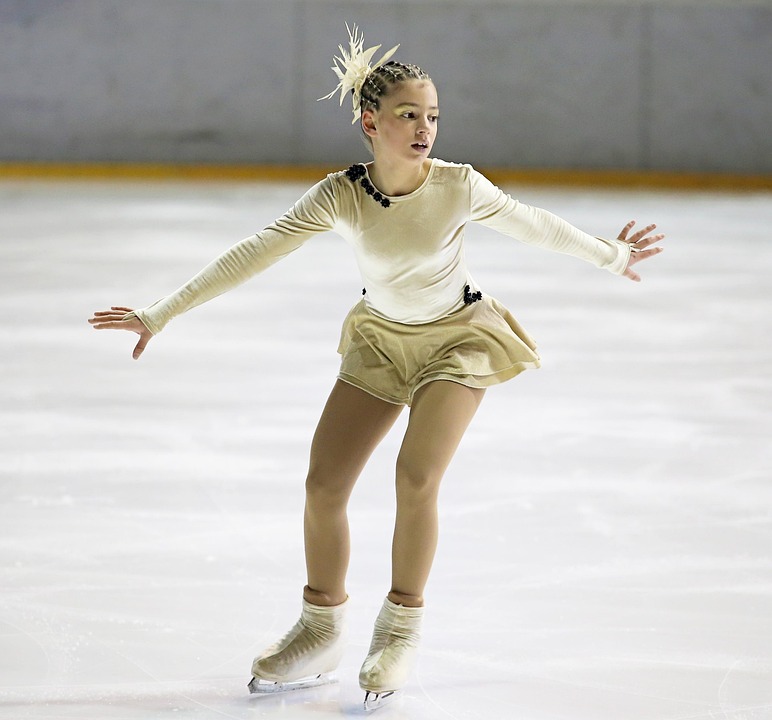

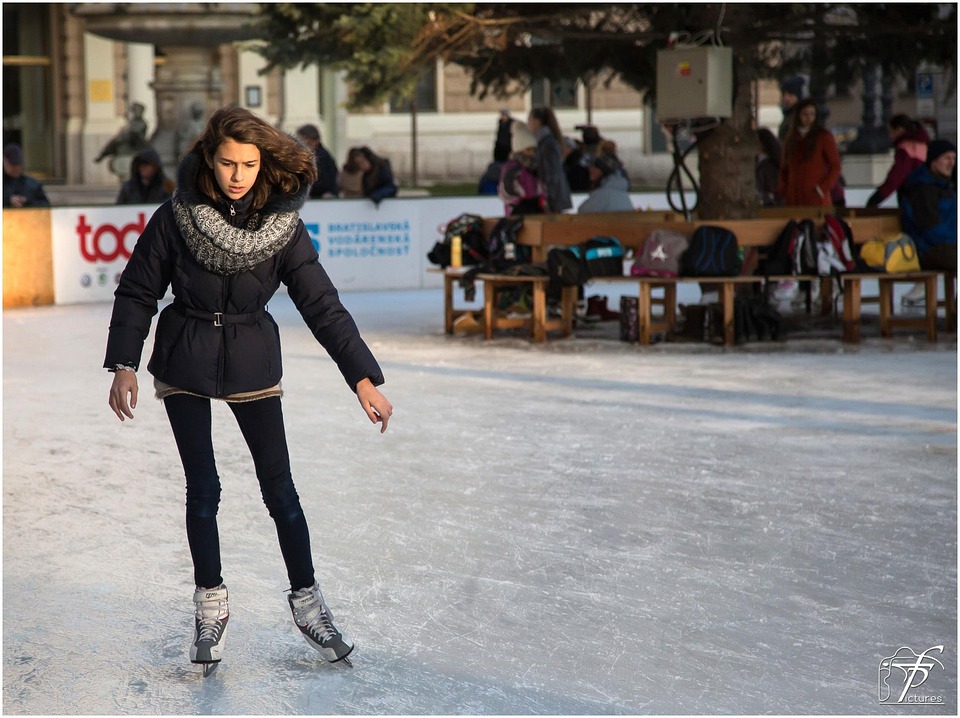
The intricate world of figure skating is as much about artistry as it is about athleticism. “Dancing on Ice: How Figure Skaters Choose Their Music and Choreography” delves into the critical elements that shape a skater’s performance, offering insights on how music selection influences choreography and ultimately impacts the judging outcome.
Understanding these choices is essential for skaters, coaches, and fans alike. The right music and choreography not only establish a skater’s identity on the ice but also resonate with the audience and judges, playing a pivotal role in competition success.
The Art of Music Selection in Figure Skating
Choosing the right music is foundational to a figure skater’s performance. Each piece of music tells a story, and finding a score that aligns with the skater’s style and emotional range is crucial. For instance, athletes like Yuzuru Hanyu often choose classical pieces that are both dramatic and technically challenging, allowing him to showcase his athletic prowess while connecting deeply with the audience. His performance to “Seimei” at the 2017 World Championships exemplifies how music can elevate a routine to legendary status.
Conversely, skaters like Gabriella Papadakis and Guillaume Cizeron have mastered using contemporary music, seamlessly blending rhythm and emotion to create captivating performances. This choice allows them to explore various styles, enhancing their versatility. At the 2018 Winter Olympics, they captivated viewers with their heartbreaking rendition of “Moonlight Sonata,” showcasing how an emotional connection to the music can heighten artistic expression on the ice.
Choreography: The Dance of Technicality and Expression
Choreography in figure skating is a meticulous process that requires collaboration between the skater and choreographer. This partnership helps to create a routine that not only meets technical requirements but also tells a compelling story. Coaches like Marina Zoueva emphasize the significance of choreography that highlights a skater’s strengths while maintaining a balance between technical elements and artistic expression.
For instance, the intricate footwork sequence created for Olympic champion Nathan Chen’s short program reflects his dynamic style and strength. By incorporating varied speed and fluidity, the choreography adheres to the program’s technical component requirements while retaining artistic value. This balance is critical not just for earning points but for captivating the audience.
Case Study: The Marriage of Music and Movement
The partnership of music and choreography comes to life in spectacular performances like that of Ashley Wagner at the 2016 World Figure Skating Championships. Her choice of “Winter” allowed her to explore themes of solitude and resilience, which paired seamlessly with her expressive movements. The synergy between her music and choreography captured the judges’ attention, demonstrating how the right combination can elevate an athlete’s performance from good to unforgettable.
The Role of Emotion in Performance
The emotional connection a skater has with their music is pivotal in conveying the message of the performance. Coaches encourage skaters to choose music that resonates personally, allowing for a more genuine expression of emotion on the ice. This connection utilizes body language and movement to translate feelings, making the performance resonate with the audience.
For example, Olympic silver medalist Ashley Cain-Gribble has often cited how specific pieces empower her to express joy or vulnerability through her skating. This emotional authenticity can sometimes be the tipping point in close competitions, where the performance, rather than technicality alone, wins over the judges.
Practical Application: Music and Emotional Impact
In practical terms, skaters are encouraged to analyze their chosen music extensively. By dissecting the composition, they can identify key moments to highlight in their routine. For example, using crescendos in the music to emphasize a jump or a poignant drop in melody to enhance a spin adds depth and complexity to the performance.
Expert Insight: Trends in Figure Skating Music and Choreography
Trends in music selection and choreography are constantly evolving within the figure skating landscape. As audiences become more discerning, skaters and their teams are exploring eclectic music choices beyond classical and contemporary American pop. Innovations, such as incorporating sound effects or world music, are becoming more prevalent, pushing creative boundaries.
Top choreographers often stay ahead of these trends by drawing inspiration from various art forms, ensuring that performances are fresh and engaging. This evolution not only reflects the changing tastes of audiences but also propels figure skating as an ever-growing and dynamic sport.
Key Takeaways: Dancing on Ice
- Music Selection: Critical for establishing a performance’s emotional tone, skaters should choose music that resonates personally.
- Choreography: Strong choreography highlights technical skills while weaving a thematic narrative.
- Emotional Connection: Genuine emotion enhances performance quality, potentially influencing judges.
- Collaboration: A strong partnership between skater and choreographer is essential for developing a harmonious routine.
- Trend Awareness: Staying current with music trends allows skaters to keep performances innovative and engaging.
In conclusion, “Dancing on Ice: How Figure Skaters Choose Their Music and Choreography” underscores the multifaceted decision-making involved in crafting a skater’s performance. By understanding the significance of music and choreography, skaters can not only improve their competitive edge but also create performances that resonate deeply with audiences and judges alike. As figure skating evolves, so too should the artistry and interpretations that define this beautiful sport.