
Understanding NFL penalties is crucial for players, coaches, and fans alike. These infractions can alter the course of a game, influencing strategy and outcomes. This article breaks down common violations and their consequences to elucidate the impact of penalty flags in the NFL.
Why is this topic significant today? With heightened scrutiny surrounding officiating and player conduct, a deeper comprehension of penalties can benefit teams and fans as they navigate the complexities of the game.
The Most Common NFL Penalties
Among the myriad penalties in the NFL, certain violations recur more frequently than others, significantly impacting gameplay. Offsides and false starts are two of the most prevalent, with teams often finding themselves in a position of disadvantage due to these infractions.
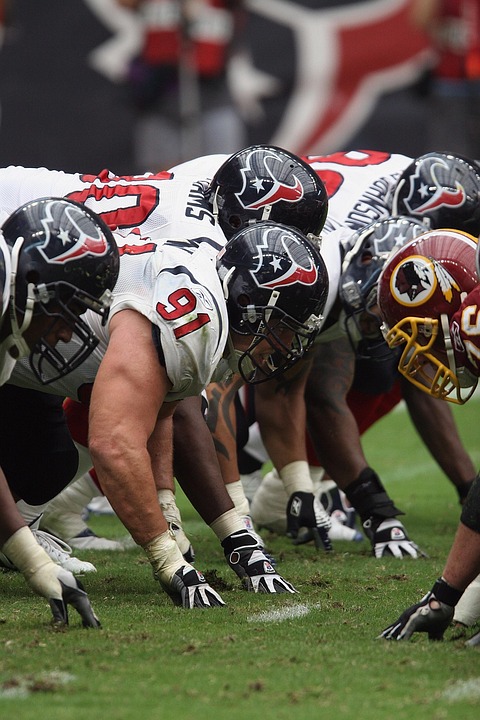
Offsides occurs when a defensive player crosses the line of scrimmage before the ball is snapped, resulting in a five-yard penalty. This can lead to manageable second or third downs for the opposing team and forces the defensive unit to adjust their strategy.
Conversely, a false start is attributed to offensive players who move illegally before the snap, often resulting in a five-yard penalty. This can disrupt the offense’s rhythm, forcing them into less favorable situations, particularly against aggressive defenses.
The Impact of Holding Calls
Holding is another frequently called penalty that can have lasting implications during a game. A holding call can be assessed against either the offense or defense, with the consequences differing based on the situation. For the offense, holding results in a ten-yard penalty, often setting back critical drives. This is particularly detrimental in third-down situations, where teams look to convert.
On the defensive side, holding calls can also result in automatic first downs. For example, if a defensive player is caught holding a receiver during a pass play, it negates any chance for a stop and presents a fresh set of downs for the offense. These penalties not only shift momentum but can also contribute to lengthy scoring drives.
Case Study: The 2021 NFL Playoffs
During the divisional round of the 2021 playoffs, a pivotal holding call on the Kansas City Chiefs’ defense allowed the Buffalo Bills to maintain possession and score a touchdown, which ultimately altered the game’s dynamic. This exemplifies how a single penalty can change the tide of a playoff matchup.
Pass Interference: A Double-Edged Sword
Pass interference is perhaps one of the most contentious penalties in football, often debated due to its subjective nature. This violation occurs when a player contacts an opponent before the ball arrives, disrupting their ability to make a play. The consequences can be severe—resulting in a loss of down and, depending on the infraction, a significant yardage penalty.
In a game setting, a pass interference call can instantly shift momentum, granting the offense a substantial advantage. For instance, a defensive pass interference on a deep ball can lead to an automatic first down, deep within the opponent’s territory, creating potential scoring opportunities.
Practical Application: Recent Trends in Penalty Calls
Statistical analysis in recent seasons has shown a rise in pass interference calls, compelling teams to refine their defensive techniques. Coaches are emphasizing the need for players to engage receivers legally while maintaining their competitiveness, altering how defenses approach passing situations.
The Importance of Player Discipline
Beyond the immediate effects of penalties on game outcomes, maintaining discipline among players is essential for successful performance. Teams that can minimize penalties generally see better results on the field. For example, the New England Patriots have historically exemplified disciplined play, often ranking at the bottom in penalty yards.
With the advent of player tracking technology, teams can analyze their penalty tendencies, enabling them to implement corrective measures in practice. This data-driven approach is crucial for teams seeking a competitive edge in an increasingly tight playoff landscape.
Key Takeaways: Decoding NFL Penalties
- Common Violations: Offsides, false starts, holding, and pass interference are the most game-altering infractions in the NFL.
- Impact on Game Strategy: Penalties can create advantageous situations for opponents, shifting game momentum.
- Player Discipline: Teams that maintain lower penalty yards often perform better in crucial moments.
- Evolving Techniques: The rise in penalty calls is forcing teams to adapt their defensive strategies and coaching methodologies.
- Statistical Analysis: Utilizing data can help teams minimize penalties through targeted training and player education.
In conclusion, understanding the nuances of NFL penalties is crucial for players, coaches, and fans. By recognizing common violations and their consequences, stakeholders can better navigate the complexities of the game, improving both individual and team performance on the field. Adapting strategies around penalties may ultimately define success in the league’s competitive landscape.