
Mixed Martial Arts (MMA) has seen some electrifying matchups over the years, showcasing a fascinating blend of styles, techniques, and athletic prowess. In this article, we will delve into explosive MMA matchups, analyzing the techniques that made legendary fights memorable. Unlocking these techniques not only entertains fans but also serves as a crucial learning tool for fighters and coaches alike.
Understanding these legendary fights matters to fans, as they offer insight into why certain techniques succeed at the highest levels. By examining the strategies employed by the world’s elite fighters, we can appreciate the depth of skill involved in MMA. The goal here is to dissect the tactics that can turn the tide of a fight and capture the essence of what makes MMA so captivating.
Striking Techniques: The Art of Effective Strikes
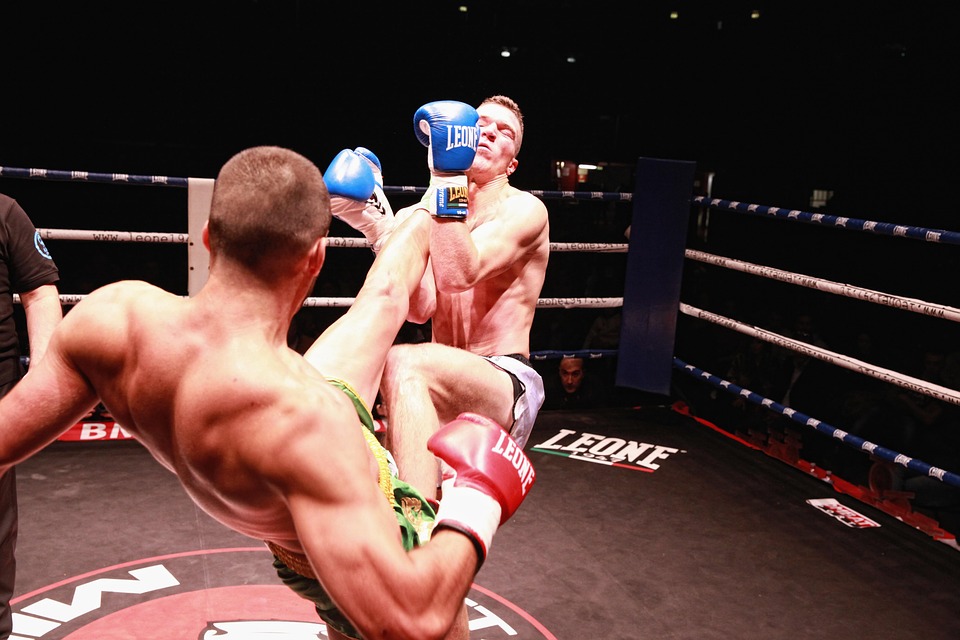
Striking remains one of the most explosive facets of MMA, with fighters combining punches, kicks, elbows, and knees in creative ways. A prime example is the iconic bout between Conor McGregor and José Aldo at UFC 194. McGregor’s precise left hand, which knocked Aldo out just 13 seconds into the fight, demonstrated the power of timing and accuracy. McGregor’s effective use of feints set up the knockout, illustrating the importance of striking technique that can change a fight in an instant.
Another memorable striking display was found in the rematch between Amanda Nunes and Cris Cyborg at UFC 232. Nunes showcased a diverse striking arsenal, mixing jabs with powerful combinations to gain the upper hand. This fight emphasized the need for versatility in striking. Fighters who can effectively utilize a variety of strikes are often able to confuse opponents and capitalize on openings.
Grappling Showdowns: Control on the Ground
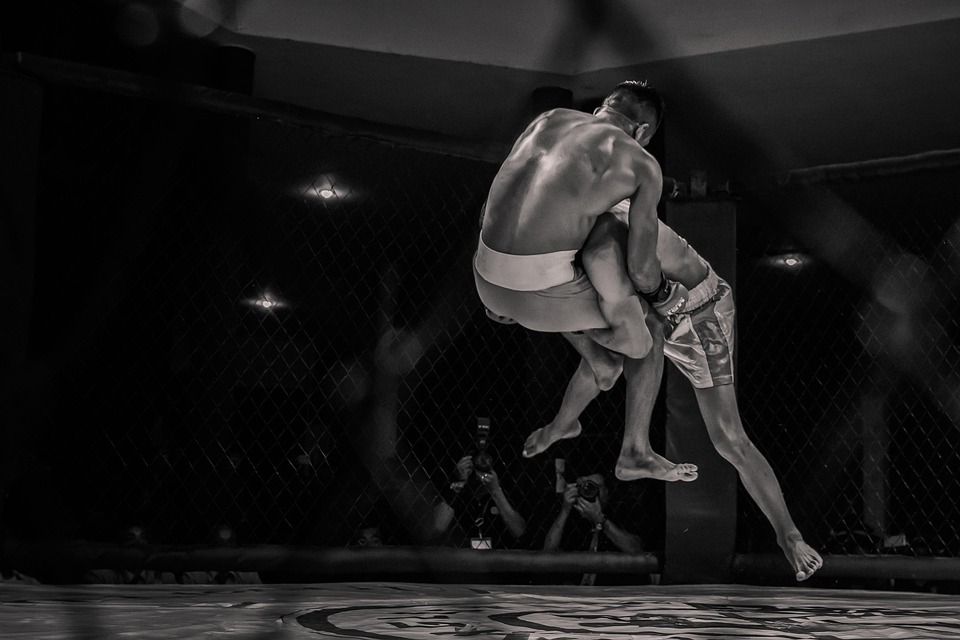
Grappling techniques can be the backbone of any MMA strategy, allowing fighters to dictate the pace and position of a fight. Khabib Nurmagomedov’s relentless grappling style in his bout against Conor McGregor at UFC 229 highlighted this perfectly. Nurmagomedov employed a mix of wrestling takedowns and ground control, rendering McGregor unable to mount any significant offense from his back. Khabib’s ability to transition smoothly between takedowns and positional control exemplified the effectiveness of grappling in establishing dominance.
In contrast, the fight between Demetrious Johnson and Ray Borg at UFC 216 showcased the creativity of grappling techniques. Johnson’s “SLX” submission maneuver demonstrated not only technical skill but also the importance of unpredictability in grappling. This technique allowed him to submit Borg in a spectacular fashion, showcasing how innovative approaches can create opportunities for victory.
Defensive Strategies: Preventing Damage
Defensive tactics are just as crucial in MMA as offensive ones. The fight IQ of fighters like Anderson Silva has left a lasting impression in the MMA community. Silva’s signature slip-and-counter technique allowed him to evade powerful punches while delivering swift, calculated strikes in return. His ability to remain calm and composed under pressure serves as a prime example of the mental components of defense in high-stakes situations.
Additionally, the defensive wrestling showcased by Henry Cejudo against Demetrious Johnson in their rematch at UFC 227 was pivotal. Cejudo’s utilization of angle changes and well-timed takedown defenses underscored his ability to nullify Johnson’s striking and grappling threats, showcasing the necessity of adapting strategies in response to an opponent’s attacks.
Expert Insights: What Makes a Technique Legendary?
The effectiveness of a technique often boils down to the fundamental principles of timing, precision, and adaptability. Legendary coach Greg Jackson has often emphasized the importance of “game-planning” — the idea that fighters should adapt their techniques based on their opponent’s strengths and weaknesses. This is critically evident in how fighters elevate their performances during championship bouts, often relying on carefully crafted techniques that capitalize on the opposition’s flaws.
For coaches, understanding these legendary techniques and their tactical applications is essential for developing well-rounded fighters who can handle different scenarios in the cage. The blending of various combat disciplines—striking, grappling, and clinching—will always provide a fighter with multiple avenues for success.
Key Takeaways: Explosive MMA Matchups
- Striking Precision: Timing and accuracy can lead to game-changing moments in fights.
- Grappling Superiority: Effective ground control and submissions can shift the fight’s momentum.
- Defensive Mastery: Strong defensive strategies can neutralize an opponent’s attacks while setting up counters.
- Adaptability is Key: Successful fighters adjust their techniques based on their opponent’s strengths.
- Innovative Techniques: Creativity in technique execution can lead to spectacular finishes.
- Breaking Mental Barriers: A strong fight IQ and psychological resilience often distinguish elite fighters.
- Training Fundamentals: Continuous learning and adaptation in training are essential for achieving MMA greatness.
In conclusion, deepening your understanding of explosive MMA matchups goes beyond just watching fights; it involves analyzing techniques that define success in the octagon. Whether you’re a fighter, coach, or fan, applying these learnings can enhance your engagement with the sport. Consider integrating new striking and grappling techniques into training regimens, focusing on both offensive capabilities and strong defensive strategies for optimum performance in the cage.