
Field hockey is an exhilarating sport that combines skill, strategy, and teamwork. Understanding its rules, particularly concerning stick handling and safety, is essential for players, coaches, and fans alike. This article delves into the critical aspects of field hockey rules, emphasizing the importance of proper stick handling and the safety measures necessary to maintain an enjoyable and competitive environment.
Why Understanding Field Hockey Rules Matters
Understanding the rules of field hockey is crucial for all participants in the game. Players who grasp these rules can enhance their performance, avoid penalties, and contribute to team success. Coaches benefit by instilling a clear knowledge of the sport in their players, promoting safer play and better compliance with regulations. Finally, fans who comprehend the intricacies of the rules can appreciate the game on a deeper level, fostering a richer sporting culture.
The Fundamental Rules of Stick Handling
One of the first things every field hockey player must learn is the correct method of stick handling. According to the International Hockey Federation (FIH), the stick must be held in a proper grip and cannot be used to play the ball in certain ways.
-
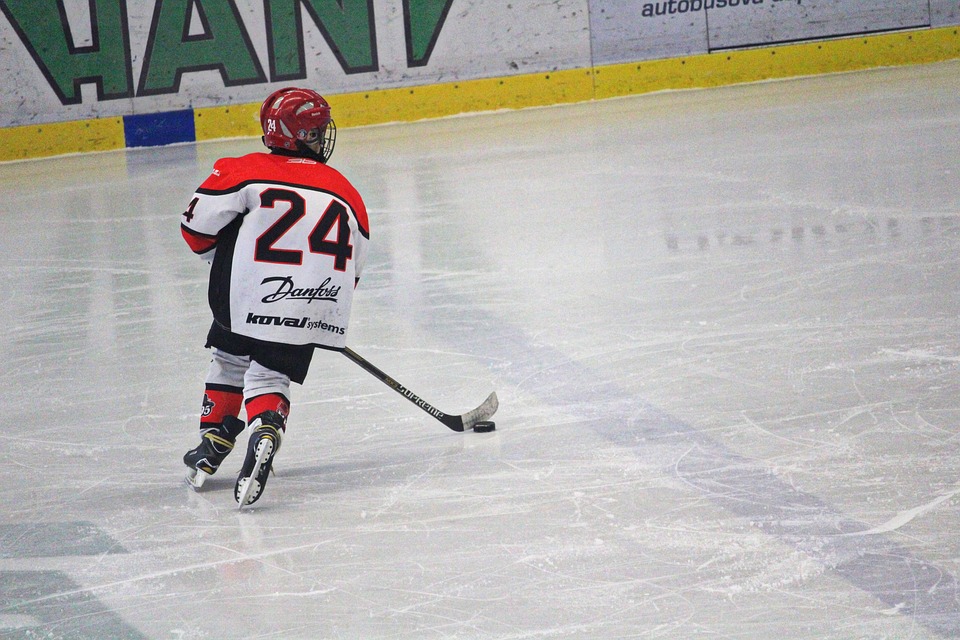
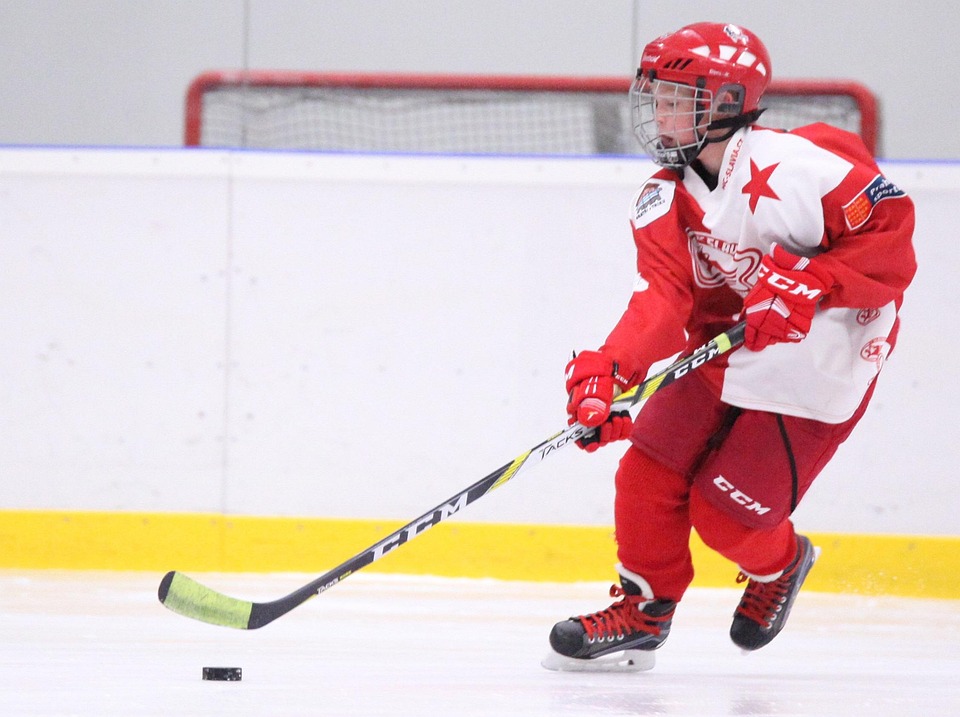
Controlled Stick Handling: Players should use the flat side of the stick to control the ball by dribbling, passing, and shooting. Proper grip and hand positioning allow for better control and maneuverability during gameplay. For instance, the drag flick, a popular technique used by players like India’s Sandeep Singh, showcases expert stick handling and the potential for strategic scoring.
-
Illegal Stick Use: Players must ensure their stick does not make contact with another player’s stick or body inappropriately. Penalties can occur if a player lifts their stick above shoulder level or uses the rounded side to hit the ball. Such violations can lead to free hits or even a penalty corner, significantly impacting the game’s outcome.
Safety Measures in Field Hockey
Safety in field hockey begins with awareness of rules that protect players. Adhering to these regulations not only ensures fair play but also minimizes risks of injury.
-
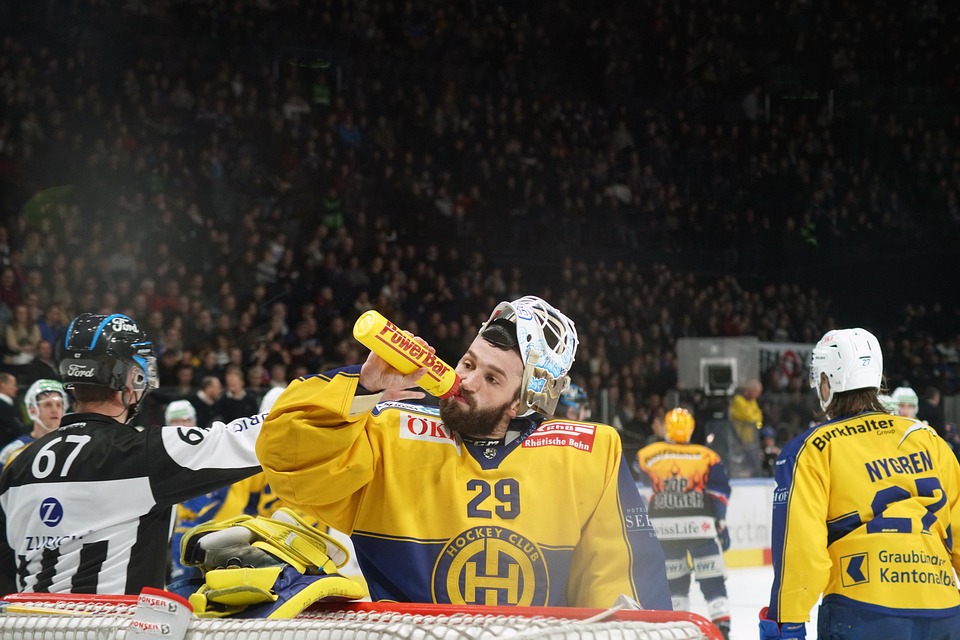
Protective Gear: All players are encouraged to wear appropriate protective gear, including mouthguards and shin pads. For goalkeepers, full body protection is mandated, including helmets and padded gloves. A well-known case is that of Australian goalkeeper, Kelsey Dutton, who attributed her prevention of serious injury to her comprehensive gear during competitive matches.
-
Fouls and Penalties: Understanding fouls—such as obstruction, dangerous play, and over-aggressive stick handling—is essential. Infractions can result in green cards (temporary suspensions) or yellow cards (permanent removal from the match). For example, a green card for a minor foul allows for better control of the game while reinforcing the importance of player conduct.
Specific Example of Stick Handling and Safety
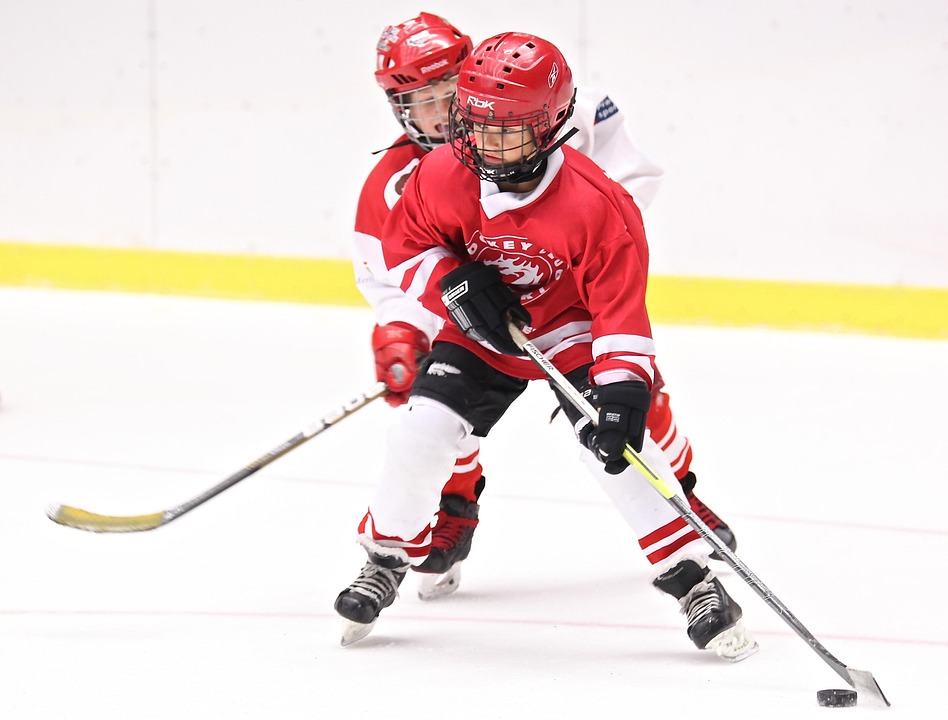
In a crucial match, a forward executes a rapid succession of stick handling techniques to evade defenders. However, if the player raises their stick dangerously or plays with excessive force, it could lead to penalties against them. Such incidents not only disrupt the player’s performance but also jeopardize others’ safety on the field.
Advanced Techniques and Tactical Implications
Stick handling is not just about individual skill; it integrates with the team’s overall strategy. Understanding how to use stick handling within tactical formations can significantly enhance performance.
-
Tactical Stick Handling: Players must adapt their stick handling according to the formations employed by their team. A high press tactic requires quick passing and effective stick skills to maintain possession. Teams like the Netherlands national team exemplify such strategies, utilizing precise stick handling to outmaneuver opponents systematically.
-
Defensive Coordination: Effective stick handling also supports defensive plays. For instance, a well-timed interception made by a defender using their stick can thwart an opponent’s advance, showcasing the importance of coordinated defensive tactics.
Practical Application: A Real Game Scenario
In a recent international tournament, a midfield player executed a sequence of controlled stick maneuvers to allow their team to transition from defense to attack. This not only demonstrates advanced stick handling but also highlights the necessity of swift decision-making—a core element in competitive play.
Key Takeaways: Understanding Stick Handling and Safety
- Proper stick handling enhances gameplay and reduces penalties.
- Adhering to safety regulations minimizes the risk of injury.
- Players must master controlled techniques to avoid fouls.
- Protective gear is essential for all players, especially goalkeepers.
- Knowledge of penalties can influence player behavior and sportsmanship.
- Tactical awareness enhances the effectiveness of stick skills on the field.
- Continuous practice and training are vital in developing stick handling proficiency.
Closing Thoughts
To excel in field hockey, players must recognize the significance of mastering stick handling while adhering to safety rules. Coaches should emphasize these teachings to encourage safer, more effective play. By doing so, both players and teams can enjoy a more competitive and thrilling experience on the pitch. Practice regularly, focus on your technique, and always prioritize safety to pave the way for success in the sport.