
Figure skating is a captivating sport characterized by its elegance and artistry, but it also encompasses diverse styles. Understanding figure skating’s distinct styles—singles, pairs, and ice dance—provides insight not only into the athletes’ techniques but also into the strategic approaches that define each discipline.
Figure skating holds immense significance in the world of sports, with its rich history, competitive nature, and the pressure of high-stakes performances. Each style showcases unique elements, fostering distinct skills and teamwork. This article delves into the nuances of these three types of figure skating, helping athletes, coaches, and fans appreciate the artistry and technicalities involved.
Singles Skating: The Art of Individual Performance
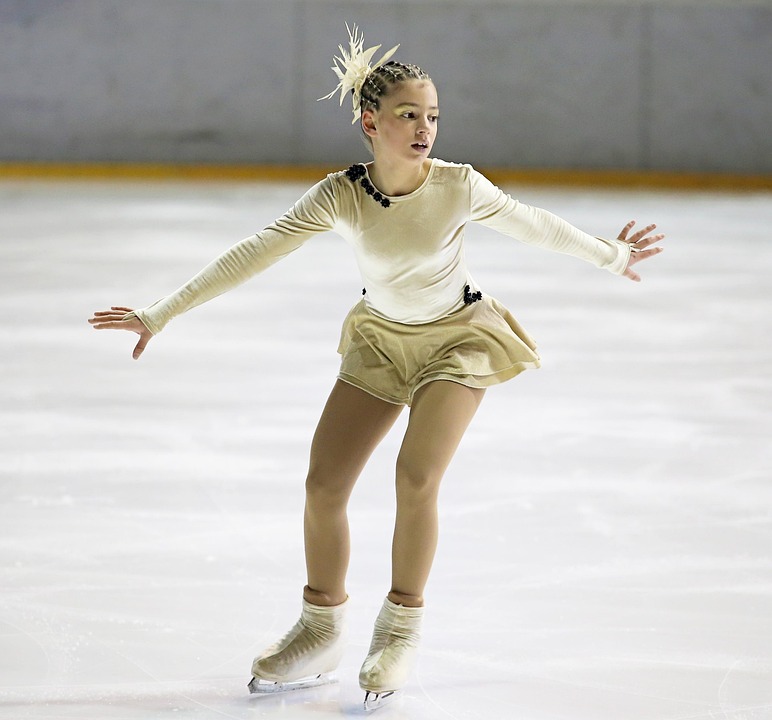
Singles skating is perhaps the most recognized form of figure skating, where individual athletes execute a routine filled with jumps, spins, and intricate footwork. The primary focus lies on technical execution and artistic presentation, with skaters judged on their ability to combine athleticism with performance.
Take Nathan Chen, a defining figure in singles skating, known for his groundbreaking jump techniques. His performances at the 2022 Winter Olympics showcased not just technical prowess but also the grace and artistry essential to the discipline. Athletes like Chen train intensively to master difficult jumps such as the quadruple toe loop, which demands high levels of strength, balance, and commitment.
The judging system is crucial in singles skating, where technical scores and presentation are measured meticulously. Competitors must perform a set number of required elements while also expressing their character through choreography. Athletes invest countless hours in rehearsals to ensure every aspect, from footwork sequences to emotional storytelling, aligns perfectly.
Pairs Skating: A Dance of Coordination and Trust
Pairs skating combines two athletes, requiring exceptional synchronization and coordination. Here, the dynamic is different as athletes perform lifts, throws, and death spirals, with both partners relying on each other to execute moves safely and fluidly. Each performance is a testament to trust and teamwork.
The collaboration between skaters like Alexa Knierim and Brandon Frazier exemplifies pairs skating at its finest. They are known for their intricate lifts and seamless transitions, a result of rigorous training and communication. A successful lift, for instance, requires not just individual strength but also precise timing and positioning.
Judging in pairs skating emphasizes technical execution, as well as the emotional connection between partners. The required elements, including lifts and spins, demand a unique skill set. Teams must balance the technical aspects with performance quality, ensuring their routine is captivating to the audience and judges alike.
Skills and Techniques in Pairs Skating
Key techniques for pairs skating focus on synchronized movements and lifts. Here’s a breakdown of essential elements:
- Lifts: Require strength and balance from both skaters.
- Throws: Involve one skater launching their partner into the air, requiring precision.
- Death Spirals: A dramatic move that showcases the skater’s skill and coordination.
Successful pairs, like the legendary Torvill and Dean, not only excel in these technical aspects but also captivate their audience with storytelling through their routines.
Ice Dance: Rhythm and Collaboration
Ice dance merges the technical challenges of skating with the expressive nature of dance. Unlike singles and pairs skating, ice dance focuses more on rhythm, choreography, and musical interpretation, with less emphasis on jumps. This style is about portraying a story and connecting with the music, which adds layers of complexity.
The dynamic duo of Tessa Virtue and Scott Moir redefined ice dance through their mesmerizing performances, winning numerous championships, including gold at the 2010 Winter Olympics. Their ability to connect emotionally with the audience underscores the essence of ice dance—melding athleticism with artistic expression.
Ice dance routines are structured around a series of required elements, including pattern dances and innovative footwork sequences. The judging criteria weigh artistic impression heavily alongside technical proficiency, pushing dancers to push boundaries in both creativity and skating skill.
The Importance of Musicality in Ice Dance
Ice dance revolves around music interpretation, making it crucial for skaters to convey emotions through movement. Successful ice dancers excel in:
- Rhythm: Syncing their movements with the beats of the music.
- Storytelling: Conveying a narrative through their choreography and expressions.
- Connection: Maintaining physical and emotional chemistry between partners.
Expert Insights and Future Directions in Figure Skating
Each style plays a crucial role in shaping the landscape of figure skating. As techniques evolve and athletes push the envelope, the artistic and technical balance remains a primary focal point in all disciplines. Coaches are increasingly recognizing the importance of cross-training to enhance versatility among skaters. This holistic approach fosters not only technical skills but also mental fortitude—a necessity in today’s competitive environment.
Key Takeaways: Figure Skating Styles
- Singles Skating: Focuses on individual technical skills and artistry, with athletes like Nathan Chen setting benchmarks.
- Pairs Skating: Emphasizes teamwork and coordination, showcasing thrilling lifts and throws.
- Ice Dance: Merges rhythmic movement and musical interpretation, with couples like Virtue and Moir leading the way.
- Judging Criteria: Varies across styles, impacting how performances are analyzed and scored.
- Future Innovations: Cross-training and evolving techniques are redefining competitive standards.
In conclusion, understanding the diverse styles of figure skating not only deepens appreciation for the sport but also highlights the skills and artistry that each discipline entails. For athletes, embracing the unique qualities of singles, pairs, and ice dance can lead to a more enriching experience and richer performances on the ice.