
Freestyle swimming, often considered the most efficient stroke, is a fantastic choice for beginners looking to dive into the sport. This comprehensive guide will equip new swimmers with essential techniques, tips, and drills needed to make a splash in the pool.
Understanding the fundamentals of freestyle swimming is crucial for any aspiring swimmer. This guide not only covers the basics but also touches upon vital aspects like body position, stroke timing, and breathing rhythms, making it relevant for swimmers, coaches, and fans alike.
Understanding the Freestyle Stroke
Freestyle, also known as the front crawl, is characterized by alternating arm movements, a flutter kick, and a horizontal body position. For beginners, mastering this stroke begins with achieving the correct body position. Swimmers should aim to keep their bodies streamlined, with the head in a neutral position, and the hips at the water’s surface.
Building proper stroke timing is essential. This includes coordinating the arm pull with a flutter kick. As one hand enters the water, the opposite leg should kick downwards, creating a rhythm that propels the body forward. Practicing this timing can lead to reduced drag and more efficient swimming.
Breathing Techniques for Freestyle
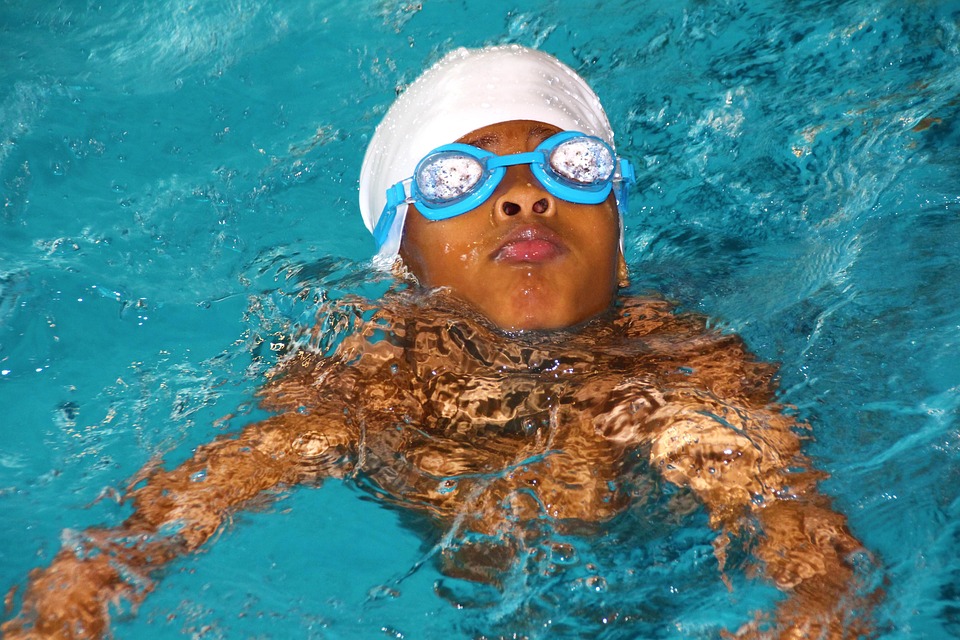
Breathing while swimming freestyle can be daunting for beginners. The key is to develop a rhythm that fits seamlessly with the stroke. As you turn your head to the side to breathe, ensure it stays low and just above the water’s surface. This minimizes disruption to your body position and keeps your stroke fluid.
Practicing bilateral breathing—alternating breaths to both sides—can enhance balance and ensure that you develop strength evenly on both sides. Try incorporating this method into your drills to improve overall technique and comfort in the water.
Breathing Drill for Beginners
- Side Breathing Drill: Swim a lap focusing solely on breathing to one side every third stroke. This exercise reinforces proper head positioning and helps in developing a smooth breathing rhythm.
Key Components of Efficient Turns
For competitive swimmers, flip turns can significantly save time and maintain momentum. However, beginners should focus first on mastering the basics of turning. Start with the open turn: as you approach the wall, tuck your knees and rotate onto your back, allowing your feet to touch the wall. From there, push off and transition back into a streamlined position.
As you progress, practice transitioning to flip turns. Start by executing a somersault in the water as you approach the wall, using your core for support. This will become a powerful tool in your racing arsenal.
Transitioning from Open Turns to Flip Turns
- Practice Open Turns: Focus on executing open turns smoothly before attempting flip turns.
- Progress to Flip Turns: Incorporate flip turns once you are comfortable pushing off the wall and maintaining a streamlined position.
Expert Insights: Common Mistakes to Avoid
New swimmers often make common errors that can hinder their progress. One frequent mistake is incorrect body positioning, leading to excessive drag. Always aim to keep your hips high and your head low to improve overall speed.
Another issue faced by beginners is overexerting during the kick. A strong kick is important, but it should be relaxed and rhythmic. Aim for a flutter kick that originates from the hips rather than the knees.
Key Takeaways: Freestyle Swimming for Beginners
- Master the streamlined body position to reduce drag.
- Develop a consistent breathing rhythm by practicing bilateral breathing.
- Start with open turns before transitioning to flip turns for efficiency.
- Minimize common mistakes such as incorrect body positioning and overexerting your kick.
In closing, focus on the fundamentals of freestyle swimming by practicing specific drills and refining your stroke. One effective drill for beginners is the “Catch Up” drill, where you fully extend one arm while the other completes a stroke, promoting a smooth and balanced stroke. Embrace these techniques to build a solid foundation in freestyle swimming, and you’ll be well on your way to becoming a proficient swimmer.