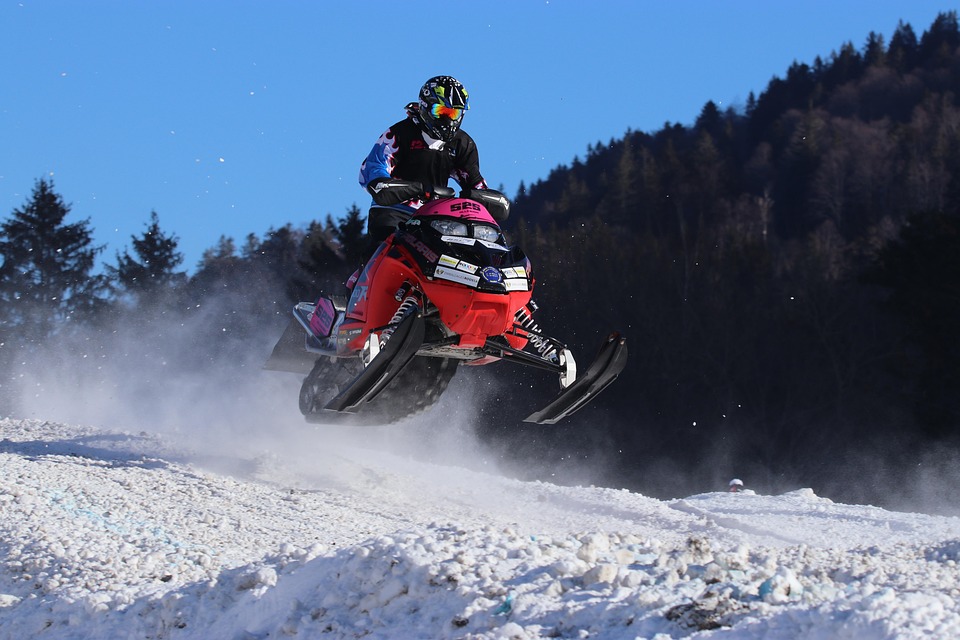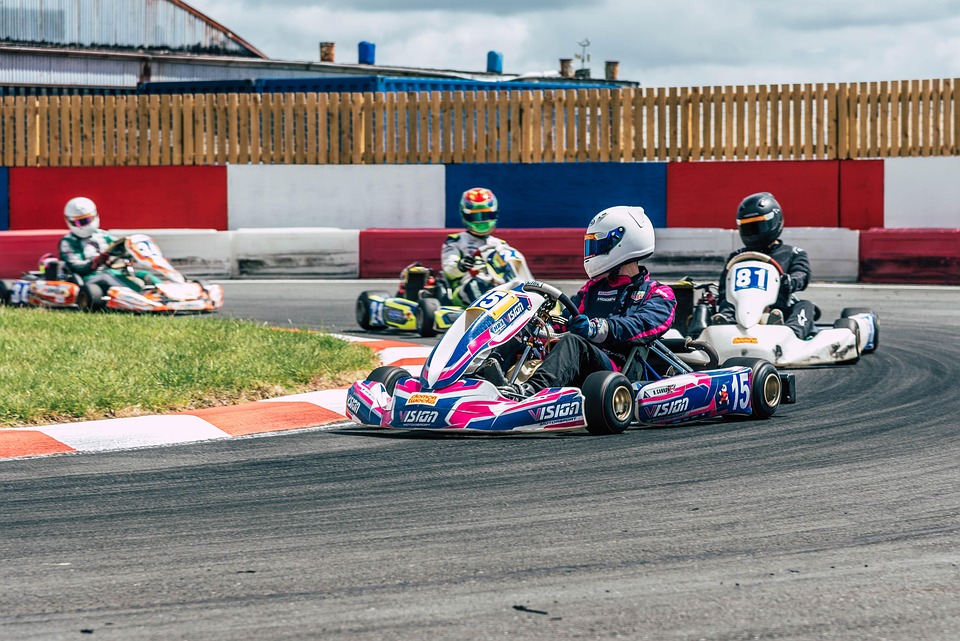

As diverse as they seem, motorsports and handball share intriguing similarities in their training regimens, especially when it comes to physical conditioning. This article delves into how athletes from both domains strengthen their skills, optimize performance, and enhance mental acuity, showcasing that dedication to peak performance transcends the surface differences of their sports.
Exploring the overlap between motorsport and handball training is crucial for coaches and athletes alike. Understanding these parallels can inform better training methods, allowing for improved performance and sustainability in high-pressure situations unique to each sport.
Physical Conditioning: The Backbone of Performance
Both motorsport and handball demand exceptional physical conditioning, though the specific requirements differ. In motorsports, drivers endure intense G-forces, requiring a combination of strength, endurance, and flexibility. Training often includes cardiovascular exercises, weight lifting, and core strengthening routines. For example, Formula 1 drivers undergo rigorous exercise regimens that include high-intensity interval training (HIIT) to build stamina and maintain focus over long races.
Conversely, handball players require explosive power and agility, emphasizing sprint drills, plyometrics, and sport-specific skills training. The ability to change direction quickly and execute precise shots is paramount. Elite handball teams often utilize circuit training to mimic the stop-and-go nature of the game, ensuring players maintain their energy levels throughout the match.
Mental Acuity: Focus Under Pressure
Mental preparation is another vital area where motorsport and handball training regimes intersect. Athletes in both sports must develop exceptional focus and decision-making skills. Motorsport drivers engage in visualization techniques and cognitive drills that include reaction time exercises, which help them anticipate the dynamics of a race.
To illustrate, NASCAR drivers often use simulators not just for vehicle handling but to hone their mental agility, allowing them to react seamlessly to on-track incidents. Similarly, handball players practice tactical analysis and game simulations to improve their on-court instincts and decisions, making quick choices that can impact game outcomes.
Case Study: The DualFocus Program
An interesting example illustrating the merging of methodologies in training is the DualFocus program used by select teams in both fields. This program emphasizes maintaining a strong mental game parallel to physical training to enhance overall performance:
- Visualization Techniques: Both sports athletes visualize successful outcomes to reinforce skills and reduce anxiety.
- Mindfulness Practices: Sport-specific mindfulness strategies are employed to manage stress and boost concentration.
- Cognitive Drills: Both categories of athletes participate in drills designed to enhance reaction times and strategic thinking.
Nutrition: Fueling Performance on and off the Field
Nutrition plays a pivotal role in the training regimens of both motorsport and handball athletes. While the specifics vary due to the demands of each sport, the principles often overlap. Drivers require a balanced diet rich in carbohydrates, proteins, and healthy fats to maintain energy during long races. For example, successful Formula 1 teams emphasize hydration and meal planning tailored to pre-race needs.
In handball, athletes similarly benefit from structured meal plans designed to enhance endurance and recovery times. Proper nutrition ensures that players can sustain their high energy output during intense matches, much like drivers managing their endurance on the racetrack.
Real-World Application: Integrating Nutrition Strategies
Teams can draw from both sports’ approaches to refine their nutrition strategies. A combined focus on hydration, electrolyte management, and timely meal consumption can provide insights into effective fueling that can apply to each athlete’s unique needs, benefitting performance in critical moments.
Expert Insight: The Future of Cross-Training
As both sports evolve, experts foresee increasing collaboration on training techniques. The unique demands of motorsport and handball offer fertile ground for cross-pollination of training methods. For instance, integrating agility drills from handball into a driver’s regimen could enhance reflexes, whereas drivers’ endurance training may improve the anaerobic capacity of handball players.
Key Takeaways: From the Track to the Court
- Cross-Disciplinary Training: Drawing insights from motorsport can enhance handball training, and vice versa.
- Mental and Physical Synergy: Both sports emphasize the importance of mental acuity alongside physical conditioning.
- Nutrition is Paramount: Fueling the body effectively is crucial for both motorsport drivers and handball players.
- Visualization Techniques: Anticipating success through visualization can enhance performance in high-pressure scenarios.
- Agility and Reaction Time: Training in dynamic environments strengthens the necessary skills for both sports.
In conclusion, understanding the nuances of each training regimen allows athletes to refine their approach significantly. As motorsport and handball share similarities in their physical and mental demands, athletes and coaches should remain open to integrating methodologies that can lead to enhanced performance. By recognizing and adopting proven techniques from one another, both motorsport drivers and handball players can reach new heights in their competitive arenas.