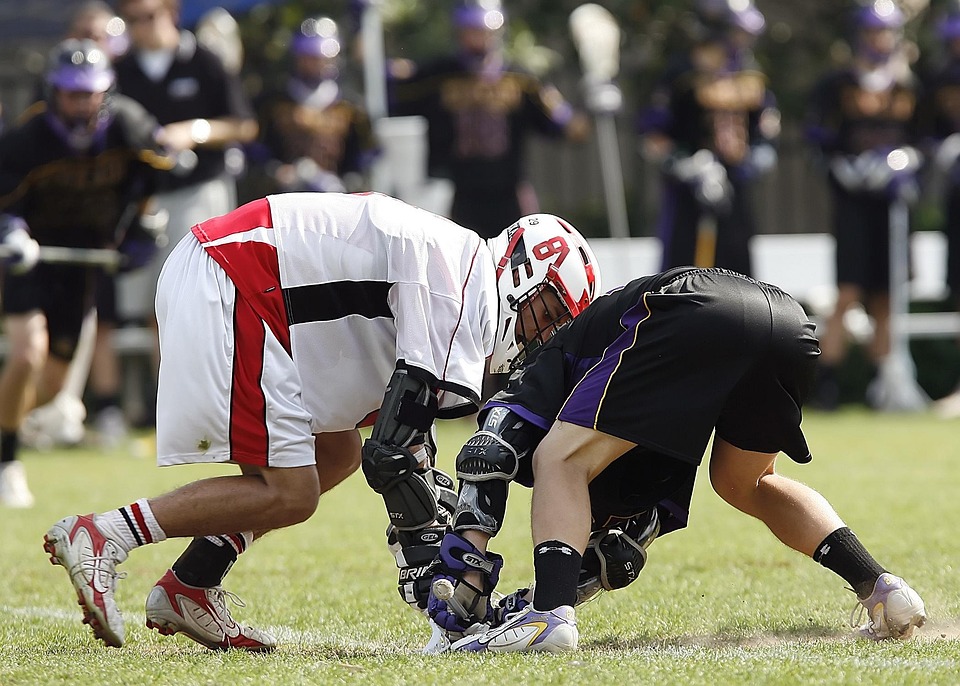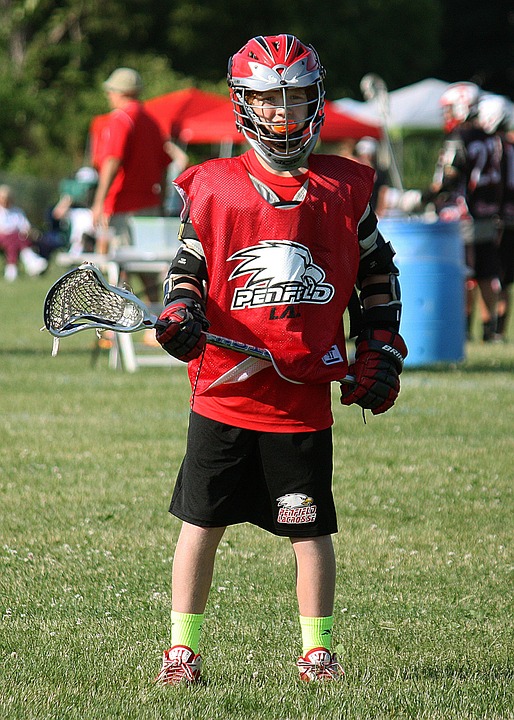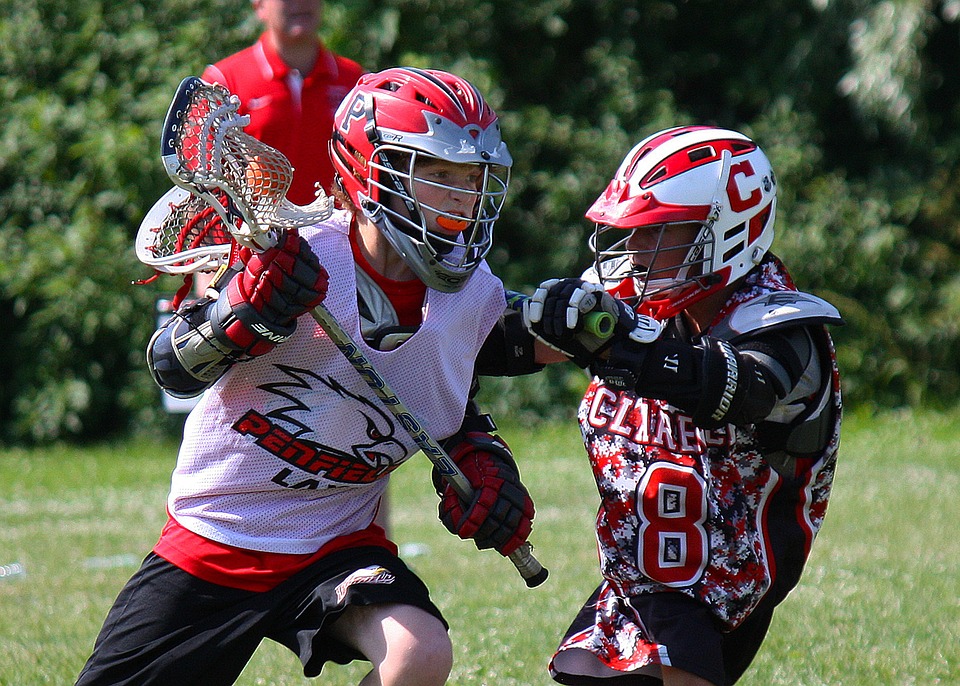


The recent lacrosse championship showcased a masterclass in strategy, with tactical choices heavily influencing the game’s outcome. This analysis dives into how strategic innovations shaped play, highlighting key moments and decisions from both teams that defined the championship.
The significance of strategy in lacrosse cannot be overstated. With an intense competitive landscape, teams that effectively leverage tactical advantages tend to outperform their opponents. This analysis is essential for players, coaches, and fans seeking to understand the complexities that go beyond mere athleticism to decipher what truly drives success on the field.
Strategic Offense: The Foundation of Victory
One of the standout features of the championship was the implementation of a fast break offense by the victorious team. By prioritizing quick transitions and exploiting defensive gaps, the team scored crucial goals in the first half. This strategy not only demoralized the opposing defense but also set a frantic pace that proved difficult to counteract. Tactical signals and communication were paramount, enabling players to move fluidly, capitalizing on turnovers.
The use of precise passing and player movement created open lanes. For example, a key play involved the midfielders stringing together a series of swift passes, culminating in a well-placed shot that tested the opposing goalie. This tactical approach underscored the significance of synchronized team efforts in high-stakes scenarios.
Defensive Structures: Closing the Gaps
While offense captured headlines, the defensive game was equally critical. The championship saw both teams utilizing a zone defense, effectively closing off shooting angles and limiting high-quality opportunities. The winners adapted throughout the game by transitioning into a combination of man-to-man coverage and sliding techniques, which disrupted the opposition’s rhythm.
Case Study: The Impact of Defensive Adaptability
In a pivotal moment, the defending champions shifted their defensive strategy mid-game in response to a mounting offensive pressure. Their ability to communicate defensive assignments effectively allowed them to make necessary adjustments. The increased emphasis on double-teaming key players stifled the opposition’s scoring opportunities, showcasing how effective communication and adaptability are essential at championship levels.
Key Individual Performances: Players at the Forefront
Complementing team strategies, individual player performances shaped the flow of the game. The standout player, a seasoned attacker, demonstrated exceptional stick skills and field awareness. His ability to read defenses allowed him to exploit mismatches effectively. He not only contributed pivotal goals but also facilitated others, enhancing overall offensive production.
Real Scenarios: Identifying Opportunities
In one instance, the attacker drew defenders in, creating space for the trailing midfielder, who executed a clinical shot that easily found the net. This sequence illustrates the importance of individual players working within a broader tactical framework, amplifying the effectiveness of strategic plans.
Expert Insight: The Value of Strategic Preparation
Several coaches shared insights on the meticulous planning that went into both teams’ strategies. The emphasis on watching game tape and studying opponents led to the crafting of tailored offensive and defensive schemes. This preparation was evident, with teams adjusting their plays seamlessly based on ongoing reads and game situations.
Key Takeaways: Game Analysis: How Strategy Influenced the Latest Lacrosse Championship
- Fast Break Offense: Quick transitions exploited defensive weaknesses.
- Defensive Adaptability: Shifting from zone to man-to-man coverage proved vital.
- Player Communication: On-field communication enhanced cohesive strategies.
- Individual Contributions: Key players must work within team strategies for effectiveness.
- Preparation is Key: Tactical planning based on opponent analysis is essential for success.
The championship underscored the integral role that strategy plays in lacrosse. Coaches and players must constantly refine their tactical approaches, combining individual skill with team dynamics to thrive at the highest level. Understanding these principles can elevate any team’s performance and approach to the game.