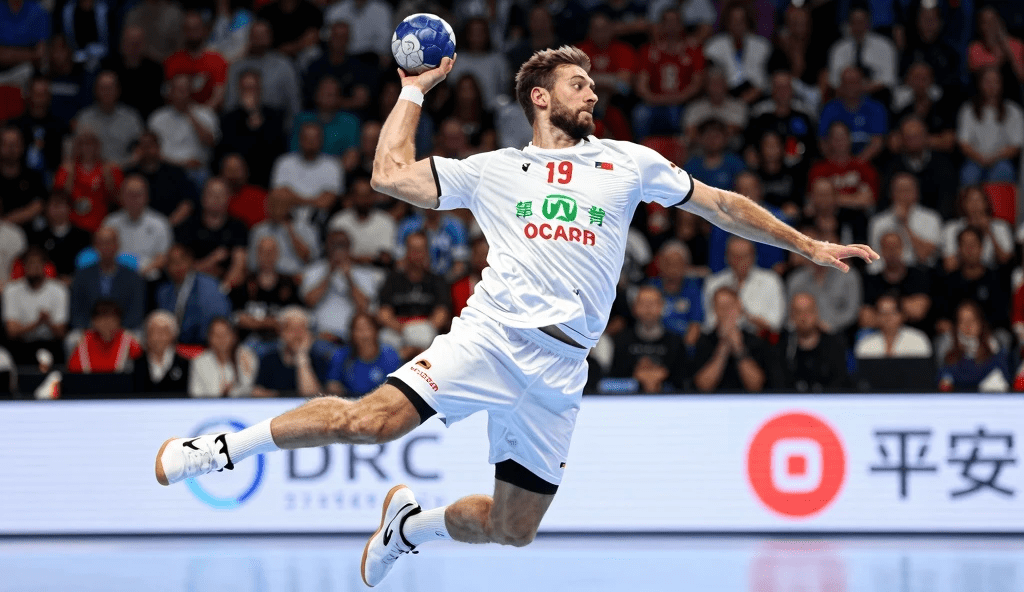

Introduction to Handball Rules
Handball is a dynamic and exhilarating sport that combines elements of soccer and basketball. With its fast pace, strategic gameplay, and thrilling action, understanding the fundamental rules of handball is crucial for players, coaches, and fans alike. This article delves into the essential rules that govern the game, ensuring you grasp the intricacies of handball.
The Basics of Handball Rules
The game of handball is typically played on a rectangular court with two teams, each consisting of seven players. The objective is to score goals by throwing the ball into the opposing team’s net. Here are some foundational rules that every handball enthusiast should know:
- Team Composition: Each team consists of six field players and one goalkeeper. Substitutions can be made at any time, allowing for dynamic changes in strategy.
- Match Duration: A standard match is played over two halves, each lasting 30 minutes, with a 10-minute break in between.
- Scoring: Goals can only be scored from inside the 6-meter zone, known as the goal area. Players may not touch the ground in this zone unless they are the goalkeeper.
Dribbling and Pass Rules
Dribbling and passing are integral aspects of handball, and specific rules govern how these actions are executed. Players are required to adhere to these standards to ensure fair play:
- Dribbling: Players may dribble the ball while running but can only take three steps without dribbling. This limits their movement and encourages precise passing.
- Passing Restrictions: Players cannot hold the ball for more than three seconds without passing. This rule promotes teamwork and quick ball movement.
Fouls and Penalties
Understanding fouls and penalties is crucial for both players and fans, especially since these can significantly impact the game’s outcome. Here are the main types of fouls:
- Technical Fouls: Committed when a player fails to adhere to specific rules, such as traveling or double dribbling. These result in a free throw for the opposing team.
- Personal Fouls: Incurred through excessive physical contact. More than three personal fouls can lead to a player being disqualified from the game.
- Seven-Meter Throws: Awarded for serious fouls in the goal area, these penalty shots can change the momentum of a match.
The Role of the Referees
Referees play a critical role in enforcing the rules and maintaining the spirit of the game. Each match is usually officiated by two referees who work together to make decisions. Their responsibilities include:
- Calling fouls and penalties.
- Ensuring proper conduct from players and coaches.
- When necessary, consulting with each other to reach the correct decisions on controversial plays.
Upcoming Events and Fan Engagement
As the handball season progresses, fans can look forward to several high-stakes matches that may affect team standings and playoff potential. Be sure to watch upcoming fixtures, as exciting confrontations between top teams will showcase the core rules in action. Understanding these rules will enhance your viewing experience and deepen your appreciation for the sport.
Conclusion
Handball is a sport rich with strategy, speed, and excitement. By grasping the essential rules outlined in this article, players and fans can enhance their involvement in the game. As we anticipate thrilling matches and standout performances in the upcoming season, remember that the heart of handball lies in its rules that govern every play on the court.