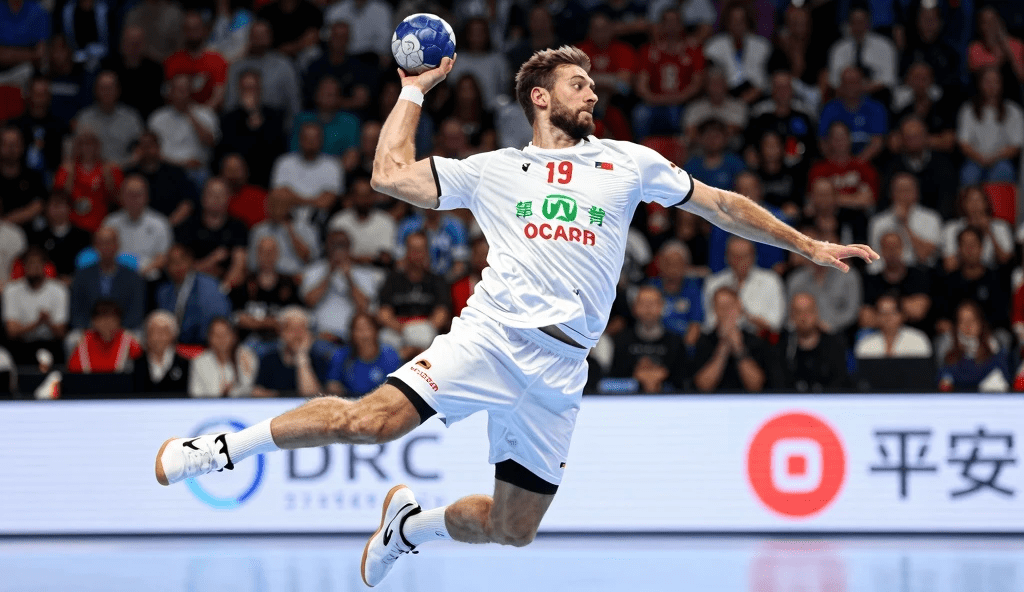

Handball is an exciting, fast-paced sport that combines elements of basketball, soccer, and water polo. This article serves as a comprehensive guide for aspiring handball athletes seeking to understand the fundamental aspects of play. Whether you’re new to the game or looking to sharpen your skills, we’ll outline the first steps you need to take to excel in handball.
Why Handball Matters
Handball is a globally recognized sport that fosters teamwork, enhances physical fitness, and promotes mental resilience. With its growing popularity in countries like Germany, France, and Denmark, understanding how to play handball is vital not only for players but also for coaches and fans interested in developing a deep appreciation for the game.
1. Understanding Handball Basics
To start your journey in handball, familiarize yourself with the core rules and structure of the game. Handball is typically played on an indoor court measuring 40 by 20 meters, with two teams of seven players each—the six field players and one goalkeeper. The primary objective is to score by throwing the ball into the opponent’s goal, which measures 3 meters wide and 2 meters high.
Gameplay consists of two 30-minute halves, where players can pass, dribble, and shoot while adhering to the rules regarding fouls and violations. Masters of the game learn to navigate these rules to maximize their effectiveness on the court.
Court Dimensions and Zones
Understanding the different areas of the court is crucial. The court is divided into two main sections: the attacking and defending zones. Players must remain outside the 6-meter zone when taking a shot or passing. This zone is situated directly in front of the goal area and is critical for strategic gameplay.
2. Key Techniques in Handball
Developing fundamental techniques is essential for success in handball. Start with the basics: passing, shooting, dribbling, and defending. Each skill contributes to your overall gameplay and allows for fluid team coordination.
Passing: Good passing techniques ensure smooth ball movement between teammates. The chest pass and bounce pass are vital for quick transitions.
Shooting: Master the jump shot for both power and accuracy. Practicing different shooting angles can give you an edge against the goalkeeper.
Dribbling: Fast dribbling helps maintain possession while navigating the court. Work on quick changes in direction for effective maneuvering.
3. Basic Handball Drills
To apply your techniques, set up drills that reinforce these skills.
-
Passing Drill: Pair up with a partner and practice chest and bounce passes from various distances.
-
Shooting Practice: Use a goal wall to practice taking shots from different angles. Focus on both power and precision.
-
Dribbling Course: Set up cones to create a dribbling course, working on speed and control.
These drills can be incorporated into regular training sessions to improve overall performance.
4. Understanding Team Positions
Knowledge of player positions enhances team strategy. Each position has defined roles that are crucial for a well-balanced team:
- Goalkeeper: Guards the goal and must possess excellent reflexes.
- Wings: Responsible for fast breaks and scoring from the sides.
- Pivot: The central player who creates space and opportunities for teammates.
Each player must communicate effectively to execute plays and maximize scoring chances.
Expert Insights on Handball Training
To excel in handball, seeking training advice from experienced coaches and players can be immensely beneficial. Participate in local clubs, attend workshops, and watch professional matches to gain insights into tactics, drills, and sportsmanship. The International Handball Federation (IHF) offers valuable resources for aspiring athletes, including skills tutorials and training programs.
Key Takeaways
- Master the Basics: Understand the fundamental rules and court dimensions.
- Practice Key Skills: Develop passing, shooting, dribbling, and defending techniques.
- Incorporate Drills: Use drills to reinforce learned skills and enhance gameplay.
- Know Your Role: Understand the responsibilities of your position within the team.
- Learn from the Experts: Engage with coaches and attend training sessions to improve your game.
Conclusion
Starting your handball journey requires dedication and practice. By following these foundational steps, you can develop the skills necessary to become a competent player. Always strive for improvement and stay engaged with the handball community to foster your athletic growth. Remember, each training session brings you closer to becoming a skilled handball athlete.