
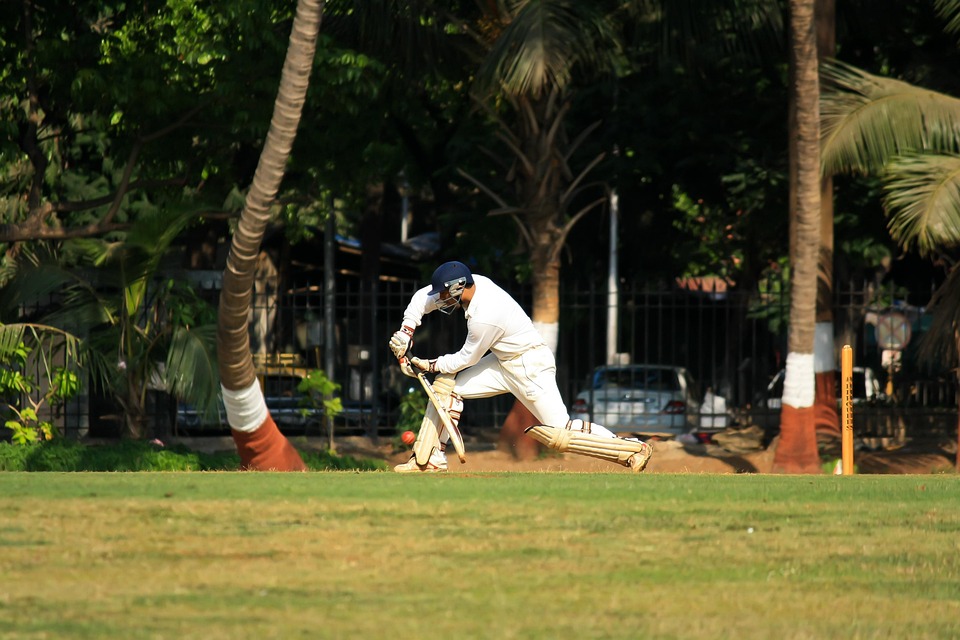
Injuries are an inevitable part of professional cricket, affecting not only on-field performance but also the longevity and trajectory of players’ careers. From minor niggles to major setbacks, the impact of injuries in cricket is profound and multifaceted.
Understanding how injuries influence the careers of top players is essential for fans, coaches, and aspiring cricketers alike. In a sport where precision and physical prowess are paramount, the difference between a stellar career and an early exit can hinge on the management of injuries.
The Physical Toll of Cricket: Common Injuries Faced by Players
Cricket involves intense physical demands, which can lead to various injuries, particularly among fast bowlers, batsmen, and fielders. Fast bowlers often face stress fractures, tendonitis, and shoulder injuries due to repetitive actions and high-impact landings. For instance, the case of Australian pacer Pat Cummins, who has battled multiple injuries, underscores how such ailments can limit a player’s availability and form.
Batsmen are not immune either; injuries like hamstring strains and wrist fractures can disrupt careers. A notable example is Kevin Pietersen, who struggled with a series of injuries that hindered his ability to consistently play at the highest level, affecting his contributions during pivotal matches.
Fielders, too, face risks, particularly in the form of sprains or fractures from diving catches. The cumulative effect of these injuries can lead to chronic issues, misalignments, and decreased mobility, which ultimately impacts performance and selection.
Psychological Impact: Mental Resilience Post-Injury
The psychological ramifications of injuries in cricket are profound. After sustaining an injury, players often grapple with fears of re-injury and performance anxiety. This mental strain can manifest in various ways, from hesitance in aggressive play to a dip in confidence.
Take the example of Indian opener Shikhar Dhawan, who, after a wrist injury, displayed signs of psychological distress when returning to competitive cricket. The mindset of a player significantly influences their recovery and overall performance, emphasizing the need for mental fortitude in overcoming such challenges.
Moreover, the pressure to perform well upon return can lead to players rushing their rehabilitation, ultimately resulting in further injuries. Strengthening the psychological aspects of recovery through support systems can be vital in helping players regain confidence.
Case Study: The Comeback of Ben Stokes
Ben Stokes’ journey highlights the intersection of physical recovery and mental resilience. After struggling with injuries that threatened to derail his career, Stokes not only returned to form but excelled, becoming a key player for England. His resilience and determination serve as a powerful narrative for aspiring cricketers facing similar setbacks.
Rehabilitation and Recovery Strategies
Effective rehabilitation strategies are crucial in minimizing the long-term impact of injuries in cricket. The incorporation of physiotherapy, strength training, and load management can aid in quicker recoveries.
For instance, players like England’s Jofra Archer employ tailored recovery protocols that include sleep optimization, nutrition timing, and active recovery methods like ice baths and foam rolling. Understanding and respecting the body’s need for recovery can spell the difference between a successful return and a recurring injury.
Practical Application: Load Management in Professional Cricket
Implementing proper load management strategies can help in reducing injury risk. This involves monitoring workloads in training and matches, adjusting based on player fatigue, and ensuring adequate recovery periods. Cricket boards worldwide are increasingly adopting data analytics to tailor training regimens that prevent overexertion among players.
Key Takeaways: Injuries in Cricket and Career Implications
- Injuries can significantly truncate the careers of promising players.
- Psychological resilience is as important as physical recovery in navigating injuries.
- Tailored rehabilitation strategies can lead to successful comebacks.
- Load management is essential in preventing future injuries.
- Support systems, including mental health resources, are crucial for long-term player well-being.
Closing Thoughts
Injuries in cricket are not merely a personal setback; they can alter the course of a player’s career and a team’s success. By prioritizing effective rehabilitation, psychological support, and load management, players can enhance their chances of not only returning to the field but excelling when they do. The resilience found in the face of adversity often defines the greatest players, making injury management a critical component of a successful cricket career.