
Billiards is an art that combines precision, technique, and mental discipline. Whether you’re just discovering the game or you’re gearing up for a tournament, mastering fundamental and advanced techniques is crucial. This guide walks you through essential skills every player should develop, elevating your billiards game from the basics to advanced plays.
Understanding the intricacies of billiards techniques is vital for players at all levels. From beginners looking to improve their strokes to seasoned players aiming for that competitive edge, knowing how to execute various techniques effectively can be the difference between winning and losing.
The Importance of Stance and Grip
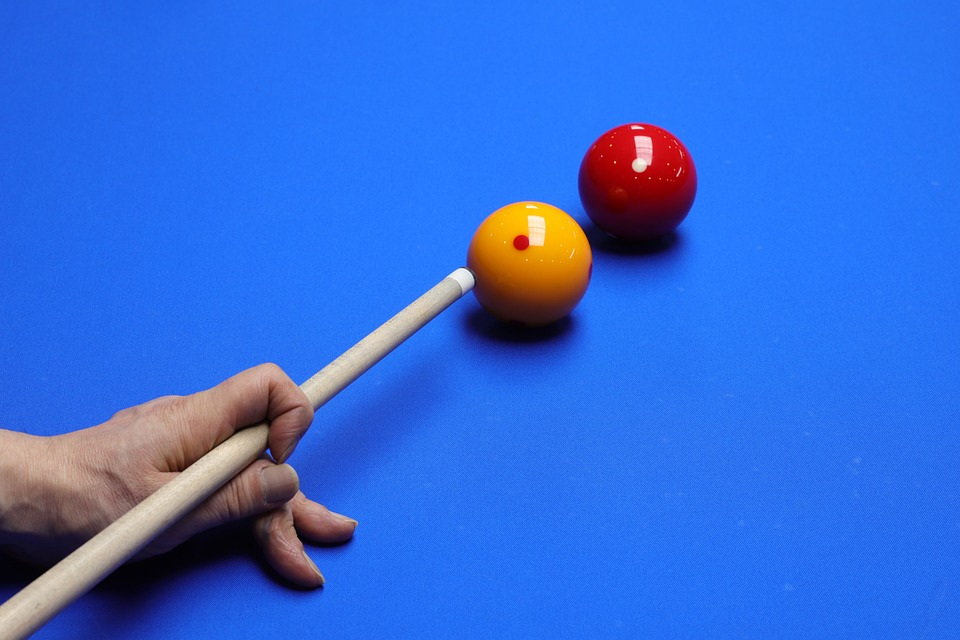
A solid stance and grip lay the groundwork for every successful shot in billiards. Begin with your feet positioned shoulder-width apart for balance, with one foot slightly forward. This creates stability, allowing for smoother shots and control over the cue ball.
Your grip should be firm yet relaxed, usually positioned about 6-8 inches from the cue ball. Adjusting your grip pressure can have a significant impact on shot accuracy. Players like Efren Reyes often emphasize the importance of a relaxed grip to allow for fluid motion during the stroke. Practicing your grip regularly can lead to muscle memory, making it second nature during competitions.
Mastering the Break Shot
The break shot is where every game starts, and mastering it can set the tone for the rest of your match. A powerful and accurate break can scatter the balls effectively, giving you a higher chance of pocketing one. Aim for the second ball in a nine-ball setup for a greater spread, and ensure your cue tip strikes the cue ball in the center for maximum control.
Keep in mind that practicing this technique requires commitment. Professionals like Shane Van Boening practice their breaks relentlessly, sometimes dedicating practice sessions solely to this shot. Observing player routines in tournaments can also provide insight, showing how they approach the break in high-pressure situations.
Break Shot Drills to Enhance Performance
- Targeted Breaks: Set up balls in a triangle and practice breaking from different positions on the table to enhance your adaptability.
- Speed Control: Break at varying speeds to understand how power affects ball distribution.
Safety Play: A Strategic Approach
Safety play is crucial in billiards, especially when scoring opportunities are limited. Being able to create a safe shot while minimizing your opponent’s chances can swing the momentum of a match. Use angles effectively to block paths or leave the cue ball in a position that complicates your opponent’s next move.
The legends of billiards have demonstrated this tactic time and again. Players may choose to leave the opponent with difficult shots or force them into a foul situation. Understanding how to read the table and anticipate your opponent’s next move can make your safety play nearly impenetrable.
Examples of Effective Safety Play
- Stacking Balls: When facing multiple balls in a row, stack them strategically to make your opponent’s next shot harder.
- Corner Placement: Send the cue ball into a corner pocket to prevent the opponent from making an easy shot.
CB Positioning: The Key to Strategic Shots
Once you’ve mastered your stroke, learning cue ball positioning becomes essential. Each shot not only affects the current play but can dictate future plays as well. Ensure the angle of your stroke sends the cue ball towards a position that aids your next shot.
In competitive play, positioning is everything. It can involve the difference between a clean knockout and a missed opportunity. Elite players spend hours practicing how to control the cue ball with finesse, often using drills that focus solely on positioning after the shot.
Cue Ball Positioning Drills
- Line Drills: Practice shooting along a straight line while adjusting the cue ball’s position for the following shot.
- Side Shots: Work on placing the cue ball for side or angled shots.
Psychological Aspects of Billiards
Billiards isn’t just a physical game; the psychology behind each shot is equally critical. The ability to maintain composure under pressure can enhance your performance dramatically. Techniques for managing nerves—like breathing exercises or positive visualization—can help players stay focused during high-stakes matches.
Players such as Allison Fisher have shared insights into the mental aspects of the game, stating that maintaining a calm demeanor is as essential as technical skills. Developing a mental routine can help you reset after missed shots, keeping you focused on the next play.
Key Takeaways: Mastering Billiards Techniques
- Maintain a solid stance for balance and control.
- Master your grip for enhanced shot fluidity.
- Dedicate practice to perfect the break shot.
- Use strategic safety plays to gain a tactical advantage.
- Focus on cue ball positioning for future shot opportunities.
- Develop a psychological strategy to manage pressure and focus.
Using these techniques will elevate your billiards game, ensuring you’re well-prepared for any competition. Remember that mastery comes through consistent practice—so grab your cue and hit the table with purpose!