
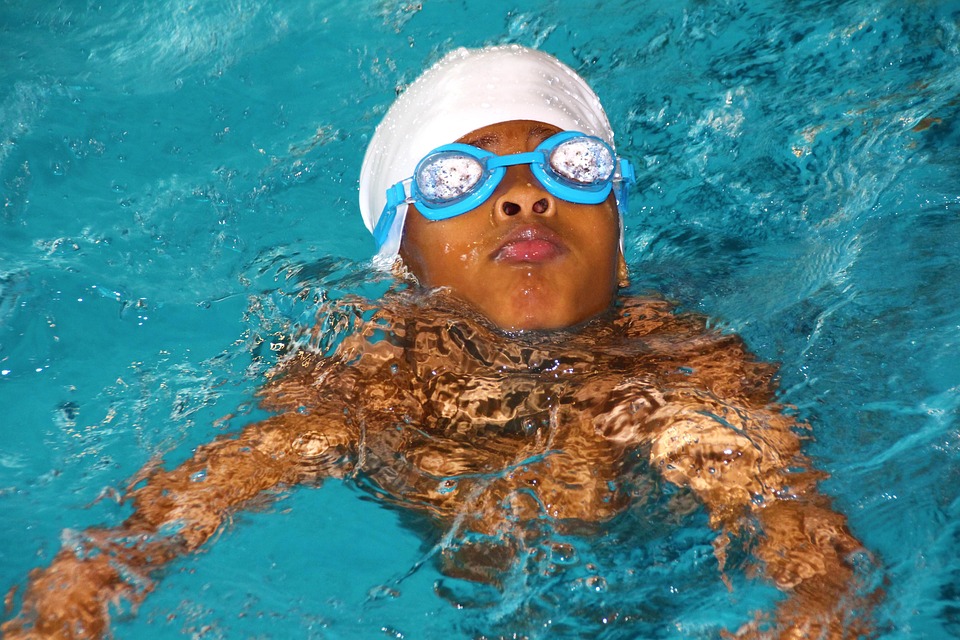
The freestyle stroke is not only the fastest swimming style but also the foundation for many aspiring swimmers. Whether you are a beginner just getting your feet wet or a seasoned competitor looking to refine your technique, mastering the freestyle stroke can significantly enhance your performance in the pool.
Understanding how to effectively execute the freestyle stroke is crucial for swimmers at all levels. In this article, we’ll explore key technical components, training techniques, and expert insights that will help you elevate your freestyle technique, ensuring success in practice and competition alike.
Body Position: The Foundation of Freestyle
Achieving an optimal body position is essential for an efficient freestyle stroke. Your body should remain as streamlined as possible, minimizing drag as you glide through the water.
-
Head Position: Keep your head neutral, looking straight down to align your spine and hips. This positioning helps in maintaining a horizontal line, reducing resistance.
-
Hip Height: Ensure your hips are near the water’s surface. This can be enhanced through effective kicking and proper core engagement.
The great Michael Phelps exemplified this technique, often being praised for his streamlined body position that allowed him to overpower his competitors with reduced drag.
Stroke Timing and Technique
The timing of your stroke directly affects your speed and efficiency. Perfecting your stroke rhythm involves synchronizing your arm movements with your breathing and kicking.
Key Elements of Stroke Timing
-
Arm Movement: Extend one arm forward while your other arm completes the pull phase. Aim for a high elbow during the catch phase to maximize water engagement.
-
Breathing Rhythm: Turn your head to the side to breathe. Practice inhaling quickly as your arm enters the water, ensuring you exhale when your face is in the water.
Ian Thorpe, a legendary freestyle swimmer, mastered the timing of his stroke, allowing him to maintain speed while conserving energy throughout various race distances.
Efficient Turns and Finishes
Mastering turns can significantly impact your overall race time. In freestyle, the flip turn is essential for maintaining momentum in competition.
Flip Turn Technique
-
Approach: As you near the wall, begin your flip by tucking your legs and rolling your body.
-
Push-off: Upon completion, push off the wall with your feet, maintaining a streamlined position underwater before surfacing.
Training sets focused on turns can improve your efficiency in a race. For example, incorporating flip-turn drills into your practice can help simulate competitive conditions.
Practical Application: Race Scenarios
Understanding how to adapt your freestyle technique to different race scenarios is vital for competitive swimmers.
Race Pacing Strategies
- Sprint vs. Distance: In sprint races, increase your stroke rate while focusing on maintaining form. For distance events, prioritize a steady rhythm and consistent breathing.
Katie Ledecky’s dominance in distance freestyle events is partly due to her ability to pace herself effectively. She relies on a calculated approach that balances speed and endurance.
Expert Insights: Key Takeaways
- Focus on maintaining a streamlined body position to reduce drag.
- Synchronize arm movements with breathing for optimal stroke timing.
- Master the flip turn to maintain speed during races.
- Adapt your pacing strategy based on the race length.
- Practice consistently to reinforce muscle memory and technique.
Key Takeaways: Mastering the Freestyle Stroke
- Streamline your body to minimize drag.
- Keep a neutral head position to enhance body alignment.
- Synchronize your breathing with your arm strokes for efficiency.
- Implement flip-turns to improve race transitions.
- Adapt your pacing to align with race distances for best performance.
Strengthening your freestyle technique is a continuous process that pays off in competitive swimming. Regularly practice the outlined drills and techniques, and consider integrating them into your training regimen.
For your next practice session, try the following drill: Catch-Up Drill—focus on extending one arm forward while the other completes the stroke. This will enhance your body position and stroke timing, setting you up for success in the pool.