
Volleyball is a dynamic sport that combines agility, coordination, and teamwork. For beginners looking to hone their volleyball skills, mastering the fundamental techniques and effective training regimens is essential. This article provides actionable training tips that can empower new players to improve their game on the court.
As the sport continues to grow in popularity, especially with events like the Olympics and collegiate championships drawing attention, understanding the fundamental skills is crucial for any aspiring volleyball player. Whether you’re a player, coach, or avid fan, mastering these skills will enhance both individual performance and team dynamics.
Understanding Basic Volleyball Techniques
Mastering volleyball skills begins with a solid grasp of fundamental techniques. Key skills like serving, passing, setting, and spiking form the backbone of effective gameplay. Each skill requires dedicated practice to ensure that players execute them with confidence and precision.
For example, the serving technique varies between underhand and overhand serves. Beginners may benefit from starting with an underhand serve, which allows for better control before advancing to the more challenging overhand serves. Practicing consistently will help players incorporate these serves into match situations smoothly.
Serving Drills for Precision
- Target Practice: Set up a target area on the opposite side of the net. Aim to land the serve within this zone to build accuracy.
- Consistency Drill: Repeat the same serve multiple times. Focus on body posture and ball toss to build muscle memory.
Developing Effective Passing Skills
Passing is crucial in volleyball, facilitating effective play by delivering the ball to the setter accurately. A good pass can set up scoring opportunities, making it vital for beginners to focus on technique.
The stance for passing should be balanced, with feet shoulder-width apart and knees slightly bent. Beginners should practice the forearm pass (or “bump”), keeping the elbows locked and hands together.
Match Scenario: Effective Passing
Consider a match situation where a spiked ball is coming toward you. Position yourself low, anticipating the ball’s trajectory, and execute a forearm pass. This type of practice helps refine both anticipation and execution in dynamic environments.
The Art of Setting
Setting is a skill that requires precision and timing, especially in coordinating with the attacker. Beginners should focus on hand positioning and footwork, as both are critical for effective play.
The goal is to create a clean ball trajectory that allows the spiker to execute their attack effectively. Timing between the setter and the hitter is essential; when the setter approaches the ball, it should be released at the highest point for optimal attacking angles.
Timing and Coordination
- Partner Drills: Work with a partner to practice sets at different heights and angles, ensuring that the spiker can approach at the correct moment.
- Visualizing Attacks: Observe how professional teams execute setting plays in matches, noting the seamless flow of movement and timing.
Spiking Technique and Approach Steps
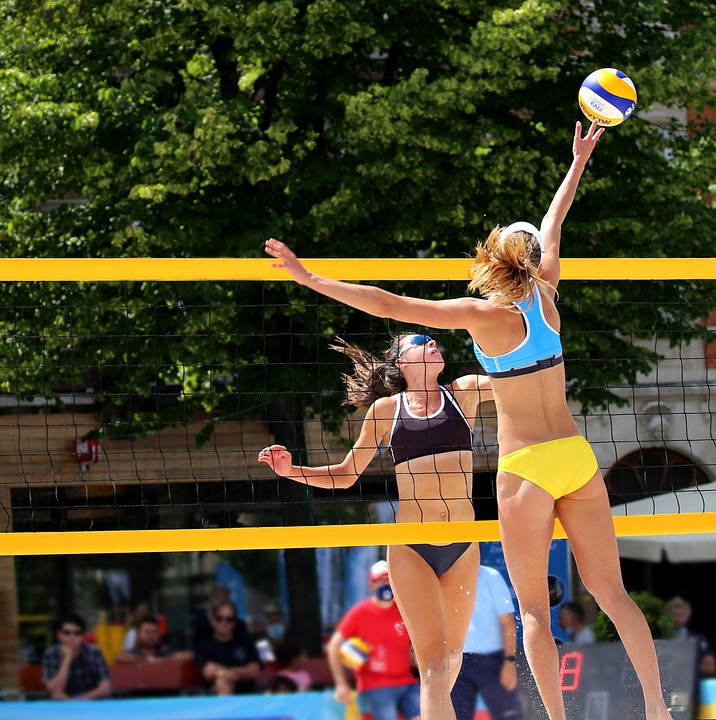
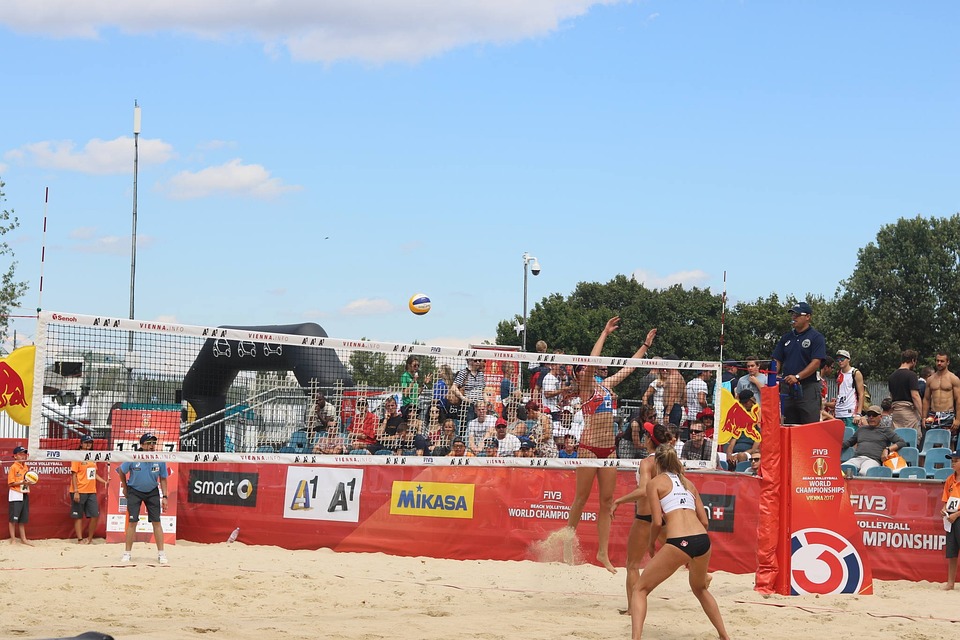
Spiking is one of the most exciting aspects of volleyball, and mastering this skill can greatly enhance a player’s contribution to their team. The approach steps are crucial, requiring precise timing and direction.
Typically, a three-step approach is used: take two steps toward the net, jump with both feet, and swing your arm to strike the ball. A key part of mastering this skill is ensuring your body is angled to direct the spike toward the desired zone on the opponent’s court.
Practicing Spiking
- Jumping Drills: Work on vertical jump training to improve your hitting power, focusing on explosive lower body strength.
- Ball Placement: Target specific areas on the court during practice to increase accuracy and strategic spiking.
Key Takeaways: Mastering Volleyball Skills
- Begin with the fundamentals: serving, passing, setting, and spiking.
- Consistent practice enhances muscle memory and confidence.
- Work on passing techniques in various match scenarios to improve accuracy.
- Integrate timing drills for seamless setter-hitter coordination.
- Focus on spiking precision and approach steps to increase scoring potential.
As you work to master volleyball skills, remember that consistent training and practice will lay the foundation for your development. One effective drill to incorporate into your routine is the Partner Passing Drill, where two players continuously pass back and forth, focusing on technique and accuracy. This will not only enhance individual skills but also foster communication and teamwork essential for success on the court.