

Understanding the rules of pickleball is critical for players at all levels, yet many common misconceptions persist. This article aims to clarify these misunderstandings and provide vital insights that can enhance gameplay and strategic development.
As pickleball continues to surge in popularity, it’s essential for players, coaches, and fans to grasp the true intricacies of the game. With varying levels of experience and knowledge, delving into the nuances of pickleball rules can improve game quality and player satisfaction.
The Serves: What You Can and Cannot Do
One of the most frequently misunderstood areas of pickleball rules is the serving process. Players often confuse serve legality with tennis rules, leading to common violations. In pickleball, the serve must be executed underhand, and the paddle must contact the ball below the navel. Additionally, the serve must land in the diagonal service court.
Many newcomers erroneously believe that a let serve—where the ball hits the net and still lands in the correct service box—is a fault. In pickleball, however, let serves are allowed and the serve is replayed.
To illustrate, during the 2022 US Open, a major tournament in Naples, Florida, several players benefited from let serves, showcasing the flexibility within the serving rule that distinctively marks pickleball as separate from tennis.
The Non-Volley Zone: Common Misinterpretations
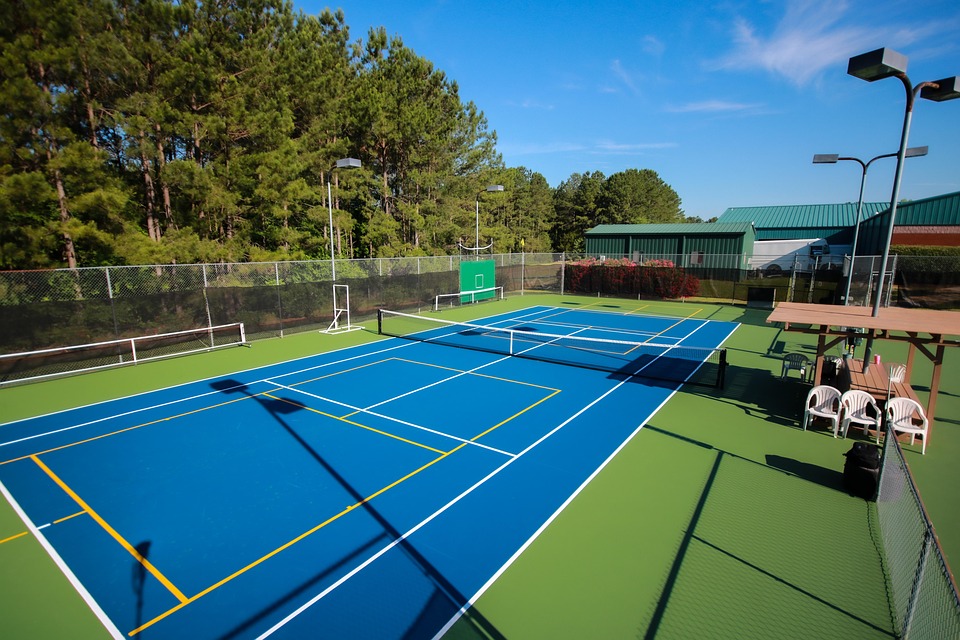
Another area rife with misconceptions is the non-volley zone (often referred to as the “kitchen”). Players sometimes think they cannot step into this area at all, but this is only partially accurate. While players must avoid hitting the ball while standing inside the non-volley zone, they are allowed to step in after the ball has bounced.
Understanding this rule is critical for effective gameplay strategies. For example, top players like Ben Johns utilize the non-volley zone to their advantage by setting up aggressive plays near the kitchen line. This tactic highlights the importance of zone awareness and positioning, as stepping in strategically can lead to winning points.
Key Points about the Non-Volley Zone
- Players can enter the non-volley zone to play a ball that has bounced.
- A player must exit the non-volley zone before hitting a volley.
Scoring Systems: Clarifying the Confusion
Scoring in pickleball can also be confusing, especially with the introduction of rally scoring in certain settings. The traditional scoring system requires players to only score points when they are serving. Games are typically played to 11 points, but a team must win by at least two points. Many newcomers may believe that all games are played to 15 or even 21 points, which is not the standard for most organized matches.
In tournaments, such as the Major League Pickleball events, maintaining clarity on the scoring system can dramatically affect match outcomes and strategies. Misunderstanding these rules can lead to disputes during play, stressing the importance of clear communication among players.
Scoring Highlights
- Points can only be scored by the serving team.
- Games are played to 11 points, needing a two-point margin for victory.
Faults and Errors: Recognizing Common Mistakes
Understanding what constitutes a fault is essential for any player. Common issues include stepping on or over the baseline during the serve, hitting the ball out of bounds, or double hitting. Players also misinterpret the serving sequence; the player must alternate between the right and left service courts every point.
Expert insights reveal that many beginners fail to recognize faults leading to service changes, thus losing potential points. For instance, during the 2023 National Championships, several teams advanced due to precise fault recognition, highlighting the critical nature of knowing the rules thoroughly.
Key Takeaways: Pickleball Rules Demystified
- Serve Legality: A serve must be performed underhand and below the navel; let serves are permitted.
- Non-Volley Zone Use: Players can enter the kitchen after the ball has bounced but must exit before volleying.
- Scoring Clarity: Points are only scored by the serving team, typically to 11 points, requiring a two-point margin.
- Understanding Faults: Common faults include improper serving, stepping on the baseline, and double hits; recognizing these is crucial.
- Continuous Learning: Familiarity with the rules can significantly elevate gameplay quality and competitive integrity.
In conclusion, understanding and applying these pickleball rules can enhance your performance on the court. With a solid grasp of the game’s regulations, players can improve their strategy and competitive edge. Embrace these clarifications, and experience a more enjoyable and skilled game of pickleball.