
Polo is more than just a sport; it is a vibrant tapestry of skill, strategy, and social nuance. Understanding the intricacies of polo etiquette and rules is essential for players, spectators, and anyone looking to engage with this timeless game. This article delves into the fundamental aspects of behavior and regulations that define the sport, helping you navigate the field with confidence.
Why Polo Etiquette Matters
Polo etiquette serves as a critical framework within which the sport operates, promoting respect and sportsmanship on and off the field. For players and coaches, mastering the rules can enhance game strategy and foster a spirit of fair play. Moreover, as polo continues gaining popularity globally, understanding these nuances becomes increasingly important for maintaining the sport’s integrity and charm.
Understanding Polo Rules
In polo, adhering to the rules is paramount for ensuring fair competition and player safety. Key regulations include the different types of fouls, how penalties are administered, and the significance of handicaps.
Types of Fouls and Penalties
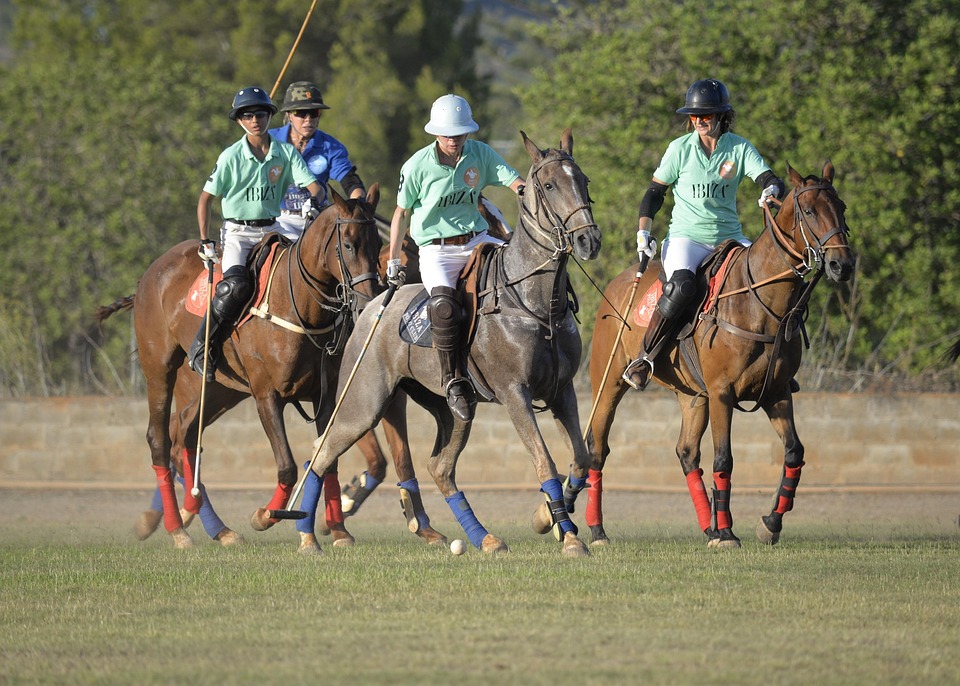
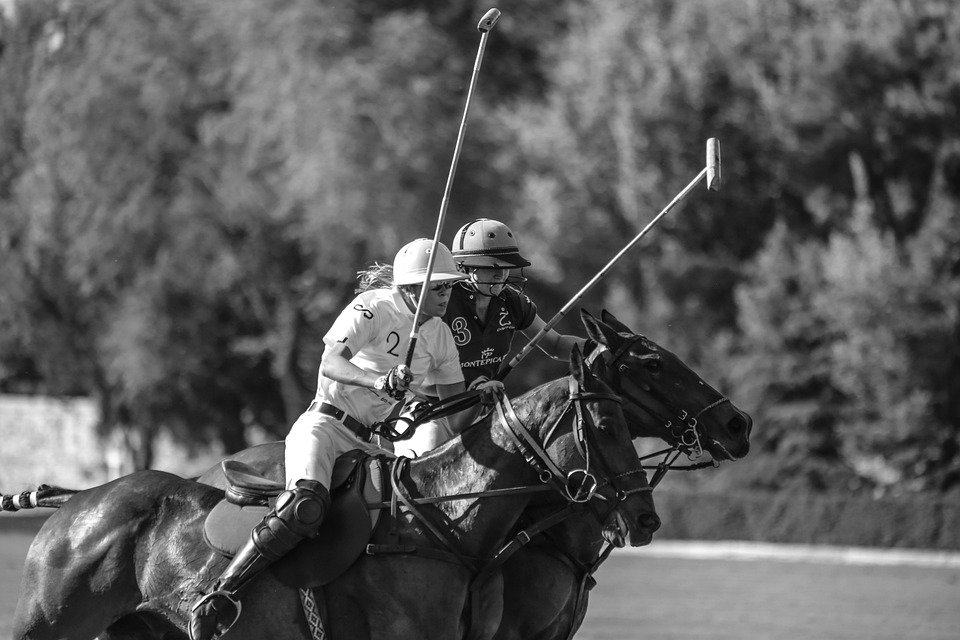
Polo rules categorize fouls primarily as “dangerous play” or “infringements.” Dangerous play includes riding into an opponent or hitting the ball in a reckless manner. Such actions can result in penalties ranging from free hits to more severe consequences, dependent on the foul’s severity.
For example, a team may be awarded a penalty shot if a player is fouled while doing something that could lead to a goal-scoring opportunity. The position on the field dictates the penalty type, with shots taken from designated areas for specific infractions.
Handicaps
Handicaps are essential in polo, allowing teams of varying skill levels to compete fairly. Each player has a handicap that reflects their playing ability, which is then combined for the entire team. The objective is to balance competitive play, making every match enjoyable regardless of the players’ experience.
Navigating the Field: Key Etiquette Points
Proper etiquette in polo encompasses a broad spectrum of behaviors, from how players interact with each other to conduct during matches.
Social Etiquette
Players should greet opponents and officials before and after matches, reinforcing a culture of respect. Always be courteous to grooms and other staff, as their contributions are vital for the sport’s function. For spectators, dressing appropriately and refraining from disruptive behavior at matches are crucial for upholding the atmosphere of the event.
On-Field Conduct
During play, players must exhibit sportsmanship, acknowledging fouls committed against them rather than retaliating. The unwritten rule of honesty is vital; players who own up to mistakes enhance the integrity of the game.
Expert Insights: The Importance of Preparation
Every match requires meticulous preparation. Understanding the field layout, including the size and markings, lets players anticipate play developments. Comparatively, a solid warm-up routine, both for horses and players, prepares the team physically and mentally for the competition.
Real-World Application
Competitors at renowned tournaments, such as the Argentine Open or the US Open Polo Championship, often emphasize the significance of both etiquette and rules. A prime example is the practice of respecting referees’ decisions; this promotes a smooth flow of the match and minimizes misunderstandings.
Key Takeaways: Polo Etiquette and Rules
- Respect is Crucial: Always show respect to opponents, officials, and fellow players.
- Master the Rules: Understanding fouls and penalties will undoubtedly improve your game.
- Behavior Matters: On-field conduct reflects your character and the sport itself.
- Preparation is Key: Familiarize yourself with the field dimensions and rules to excel.
- Embrace the Community: The polo community thrives on mutual respect and courtesy.
In conclusion, mastering polo etiquette and rules positions you for success both as a player and a supporter. Embrace these guidelines, and you will navigate the captivating world of polo with the confidence it deserves. Whether you’re on horseback or in the stands, remember that respect, preparation, and sportsmanship enhance the game for everyone involved.