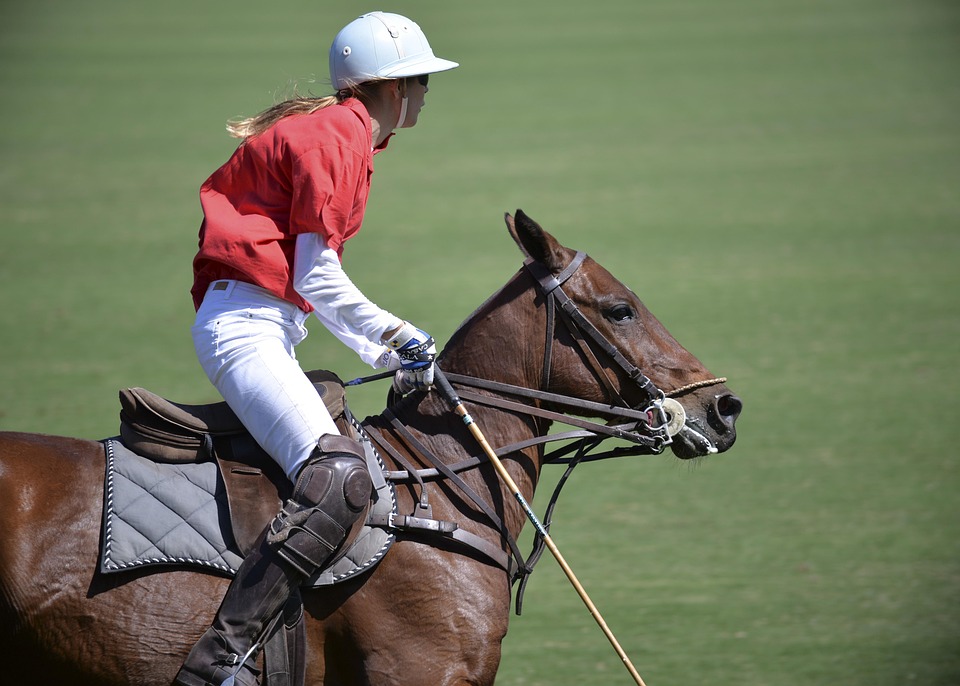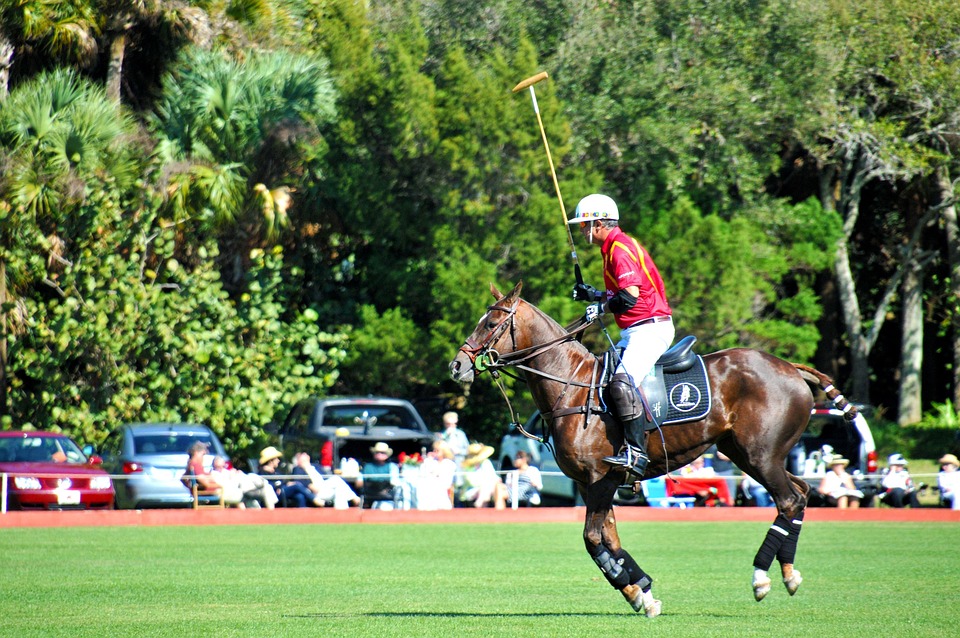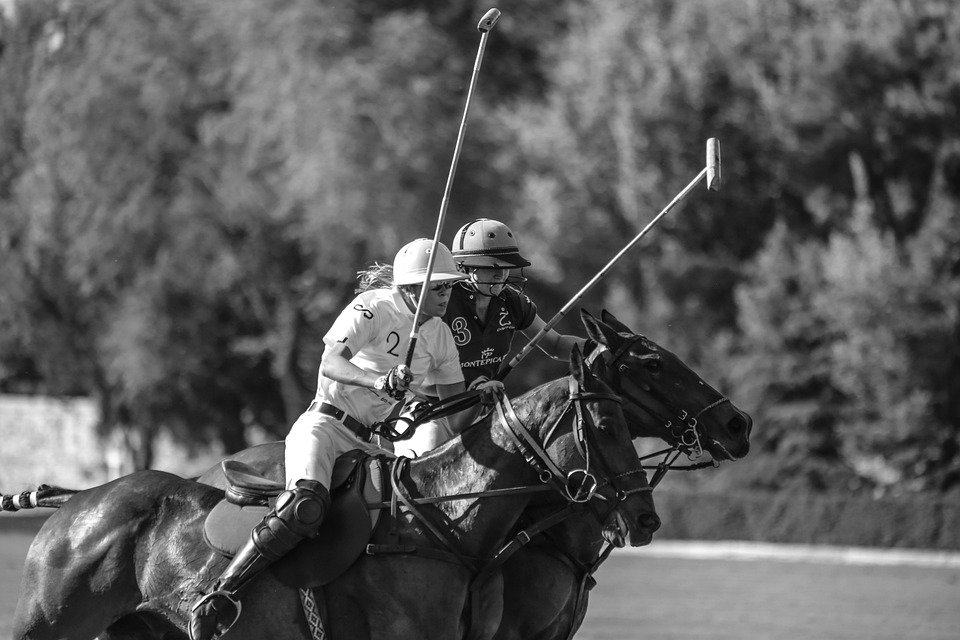


Polo, often referred to as the “sport of kings,” combines speed, skill, and strategy, making it an exhilarating sport to watch and play. Understanding the rules, especially those governing fouls and penalties, is crucial for both players and fans. This article delves into the essential rules of polo, focusing on fouls and penalties, and their implications within the game.
Why Understanding Polo Rules Matters
Knowledge of the rules not only enhances the enjoyment of the game but also ensures fair play and player safety. As polo continues to grow globally, understanding these intricacies becomes vital for players, coaches, and spectators alike. With various tournaments held worldwide, including the prestigious Argentine Open and the UK’s Tortugas Open, being well-versed in the rules can make a significant difference on and off the field.
Major Fouls in Polo
In polo, fouls occur when players violate the established rules during gameplay. The most common fouls can be categorized into the following:
- Crossing the Line: This foul happens when a player crosses in front of another player who has the right of way. This can lead to dangerous collisions, which the umpires aim to prevent.
- Hooking: While hooking the opponent’s mallet is permitted, players must ensure that it is done safely. Hitting an opponent’s mallet where it creates a risk of injury can lead to fouls.
- Dangerous Play: Actions that pose a threat to other players, such as intentional bumping or excessive aggression, result in penalties. Safety is paramount in polo, and the umpires are vigilant in ensuring fair play.
Understanding these fouls not only aids players in avoiding penalties but also allows them to anticipate and judge the actions of their opponents.
Penalties: The Consequences of Fouls
When fouls are called, penalties are assessed, which can vary in severity. Here’s how the penalty system generally works:
- Free Hit: A common outcome for less severe fouls, where the opposing team gets a free hit from the location of the foul. This allows them a strategic advantage without the risk of a contested ball.
- Penalty Shots: More severe fouls can result in penalty shots. Depending on the foul’s location and severity, these shots can be taken at varying distances from the goal. For instance, a penalty shot taken from 30 yards is a significant opportunity for the attacking team.
Understanding the Types of Penalty Shots
Penalty shots are crucial in changing the momentum of a game. They include:
- Penalty 1: A shot from the goal line, best for the defending team.
- Penalty 2: Taken from 60 yards away, it’s an opportunity for an attacking player.
- Penalty 3: A direct penalty shot from 40 yards—often a high-stakes moment in the match.
- Penalty 4: Taken from 30 yards, often the most straightforward chance to score.
Understanding these penalties equips players and fans to analyze game dynamics and strategies fully.
Handicaps and Their Importance
In polo, handicaps play a crucial role in leveling the playing field, determining a player’s skill level and affecting team composition. Each player is rated on a scale from -2 to 10, with higher numbers indicating greater skill.
How Handicaps Impact Game Play:
- Team Balancing: Handicaps ensure that matches are competitive, placing lower and higher-rated players on the same teams.
- Match Outcomes: A game’s final score may reflect the cumulative handicaps of the teams, where a lower-rated team may start the game with a point advantage.
Knowing how handicaps influence gameplay can enhance fans’ understanding of match dynamics and the strategies employed by teams.
Key Takeaways: Polo Rules Explained: From Fouls to Penalties
- Polo fouls include dangerous play, crossing lines, and excessive hooking.
- Penalties provide critical scoring opportunities and can significantly shift match momentum.
- Free hits and penalty shots vary in severity and can change the dynamics of a game.
- Player handicaps are essential for team fairness and competitiveness.
- Understanding these rules is vital for players and fans to appreciate the intricacies of the game.
In conclusion, mastering the rules surrounding fouls and penalties enhances the experience of playing and watching polo. Whether you’re a seasoned player or a new fan, grasping these concepts will deepen your appreciation for the game’s strategy, excitement, and competitive spirit. As you watch the next polo match, let the rules guide your understanding of the action on the field, elevating your viewing experience to new heights.