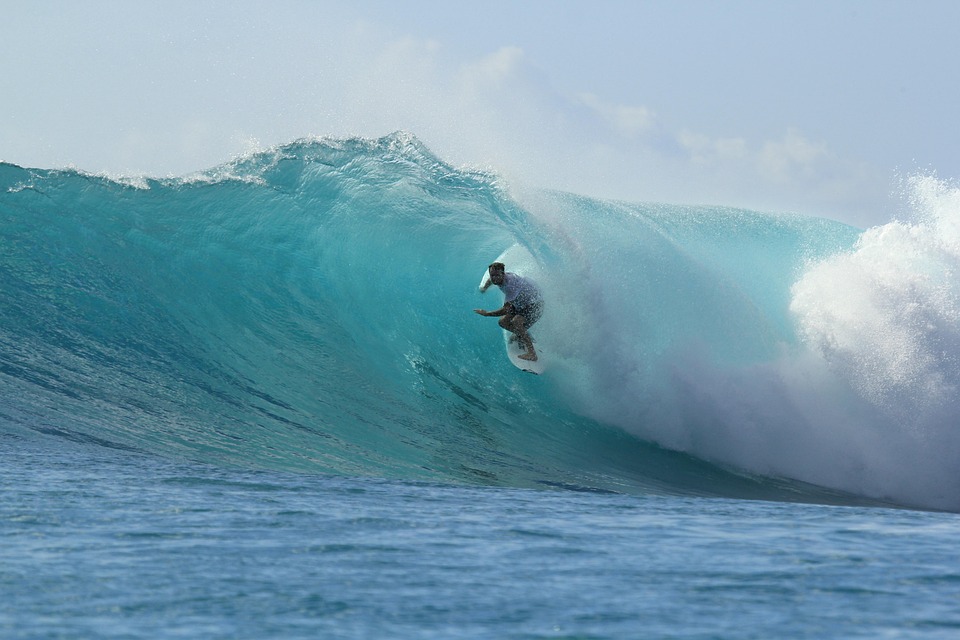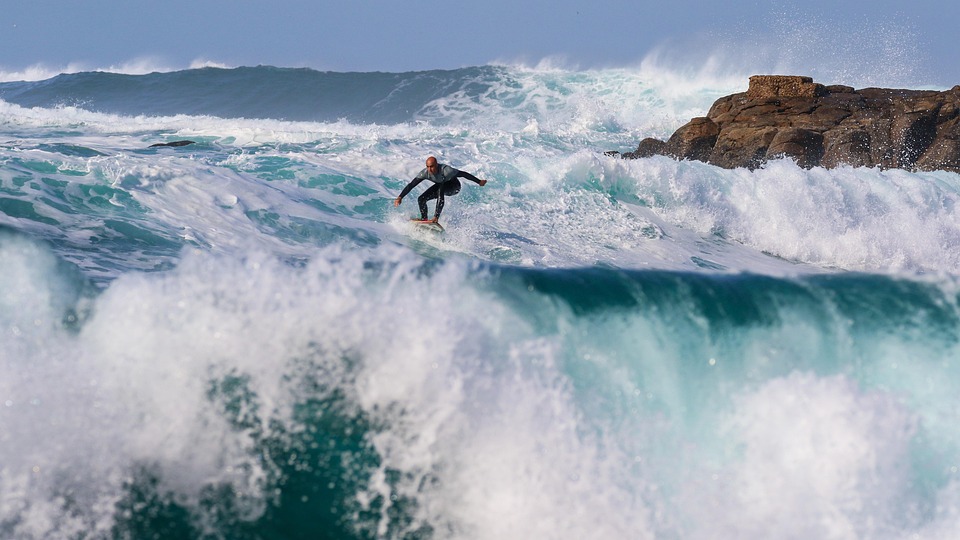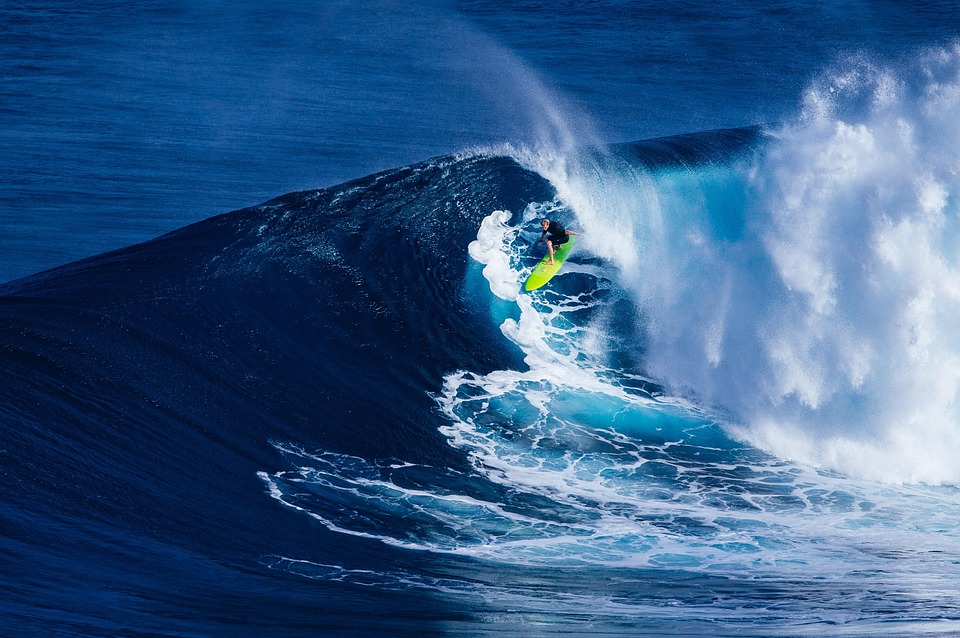

Choosing the right surfboard can significantly impact your performance and enjoyment in the water. With a variety of surfboard types tailored to different surfing styles, understanding which board suits you best is essential for every surfer, from beginners to advanced riders.
As the surf community evolves, so do the boards available on the market. The selection varies not just in size and shape but also in design and material, making it crucial for surfers to align their board choice with their surfing objectives and local wave conditions.
Shortboards: Perfect for Maneuverability and Performance
Shortboards are the go-to for surfers seeking high speed and agility. Typically ranging from 5’6″ to 6’4″, these boards are designed for radical maneuvers and quick turns on steep, powerful waves. Their smaller size allows for easier paddling and a tighter turning radius, making them ideal for advanced surfers who want to tackle challenging surf conditions.
A great example is the iconic Kelly Slater, whose competitive prowess in the World Surf League is largely attributed to his skill with a shortboard. His performance in high-stakes events like the Pipe Masters showcases the advantages of maneuverability that shortboards provide.
Longboards: The Classics for Smooth Riding
Longboards, which measure 9 feet or longer, are all about stability and a smooth cruising experience. Their wider shape and additional volume make them perfect for beginners and those who enjoy a more relaxed style of surfing. Longboards excel in smaller, mellow waves, allowing surfers to practice their balance and riding technique without the pressure of quick maneuvers.
Stephanie Gilmore represents the longboarding culture beautifully. Known for her graceful riding style, she seamlessly blends classic techniques with contemporary flair, demonstrating that longboards can still bring excitement to surfing.
Case Study: The Benefits of Longboarding
- Ease of Paddling: More buoyant, easier to catch waves.
- Nostalgic Style: Offers a chance to embrace traditional surfing methods.
- Cruising: Perfect for leisurely rides along the shore.
Fish Boards: A Versatile Option for Small Waves
Fish boards, typically shorter and wider than traditional shortboards, are designed for speed and wave-catching efficiency, particularly in smaller surf. Their unique shape allows for better paddle power while maintaining performance on springy, fun waves. Fish boards invoke a nostalgic aesthetic with a modern twist, catering to various surfing styles and skill levels.
John John Florence, a two-time world champion, has often been seen riding a fish when the surf is smaller. His innovative approach demonstrates how this board type can enhance performance and adaptability in varying conditions.
Practical Application in the Water
When using a fish board:
- Focus on paddling positioning for optimal wave entry.
- Adjust your pop-up timing, as the width can alter your center of balance.
- Enjoy the versatility across different wave sizes, maximizing fun on less-than-perfect days.
Conclusion: Finding Your Perfect Board
Choosing the right surfboard is pivotal for enhancing your surf experience. Understanding the characteristics of each board type will empower you to make an informed decision that aligns with your surfing style and the waves you frequent.
Key Takeaways: Surfboard Types Explained
- Shortboards: Best for advanced surfers seeking high performance.
- Longboards: Ideal for stability; great for beginners and smooth riding.
- Fish Boards: Versatile for small waves, perfect for fun.
- Material Matters: Consider how construction affects performance and durability.
- Personal Preference: Ultimately, your board should feel right for your style.
Enhance your surf skills by trying out different boards to see what fits best. As you experiment, practice your pop-up timing consistently to find a rhythm that works with your board type. Each session on the water will further refine your experience and connection to surfing.