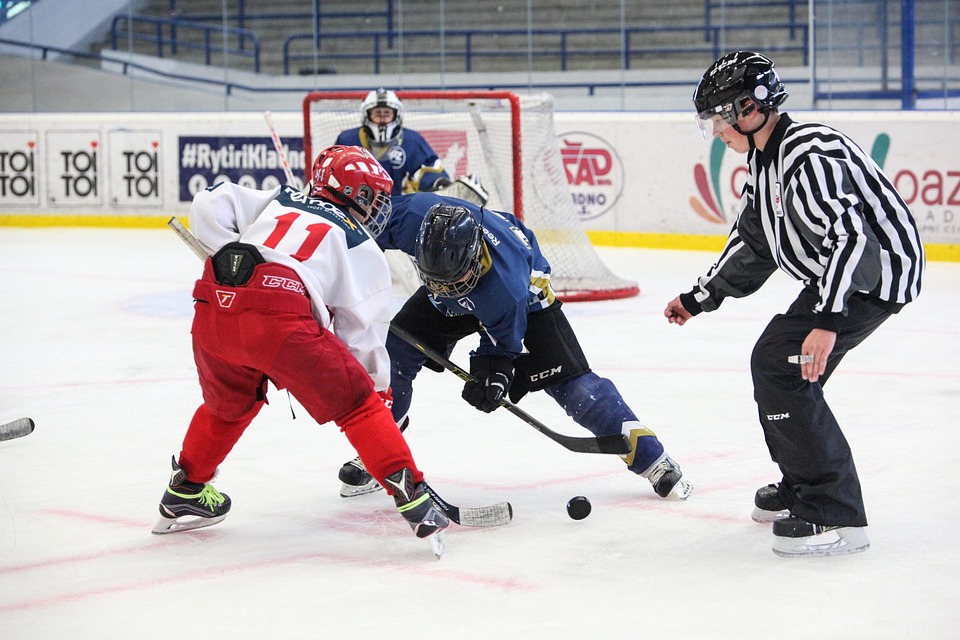


Field hockey, an exhilarating sport played across the globe, has seen its rules evolve significantly over the years. Understanding the evolution of field hockey rules not only enriches the experience for players and fans but also deepens appreciation for the sport’s dynamic nature. From changes in gameplay to safety regulations, each modification reflects the sport’s growth and the demands of its community.
Why Understanding Field Hockey Rules Matters
Understanding the evolution of field hockey rules impacts players, coaches, and fans alike. Clear and effective regulations not only enhance fair play but also ensure the safety of players on the field. As the game has evolved, so too has the complexity of its rules, adapting to new technologies and changing dynamics in competitive play. This evolution mirrors broader societal changes in sportsmanship, respect, and the engagement of athletes, thereby fostering a more inclusive environment for all participants.
The Historical Framework of Field Hockey Rules
Field hockey’s origins trace back to the 19th century, first played in England. The earliest formal rules were established in 1876, leading to the foundation of the International Hockey Federation (FIH) in 1924. Initially, the sport allowed hockey sticks to be curved and played without any protective gear. Over the decades, several key rule changes emerged:
-
The Introduction of Penalty Corners: Introduced in the 1930s, penalty corners provided a tactical advantage following certain fouls, allowing the attacking team to set up a structured play.
-
Foul Regulations: Major adaptations in fouling regulations followed the establishment of defined roles on the pitch. The introduction of cards — green for temporary suspensions, yellow for serious fouls, and red for expulsion — revolutionized how referees maintained discipline, with profound implications on gameplay.
The evolution of these rules reflects the sport’s attempt to create a more structured and fair playing field while accommodating the increasing speed and intensity of matches.
Modern Changes: Adapting to the Game’s Pace
In recent years, field hockey rules have continued to adapt to the fast-paced nature of the sport. The introduction of video referral systems (VAR) and the ‘self-pass’ rule have transformed gameplay significantly:
-
Video Umpire Referral System (VARS): This technology, implemented in various leagues and tournaments since the late 2010s, allows teams to contest decisions made by on-field umpires. Its introduction has enhanced fairness in decision-making by allowing for critical calls on goals, fouls, and misconduct to be reviewed.
-
Self-Pass Rule: Allowing players to take free hits quickly and without the need for an opponent to be a certain distance away has led to faster transitions and a more dynamic style of play. This change encourages offensive strategies that keep defenders on their toes and creates high-paced action.
The pace and strategy of the game today require a deeper understanding of these rules, as players must adapt quickly to maintain their competitive edge.
Future Directions: Safety and Inclusivity
Looking into the future, field hockey rules are likely to shift even further towards safety and inclusivity. As player safety becomes a central focus in all sports, we can expect an increase in regulations around protective gear, especially for goalkeepers. Enhanced guidance on the use of protective equipment is being discussed to prevent injuries resulting from high-speed play.
Also, inclusivity of players across genders and abilities is shaping discussions around rule modifications, ensuring that field hockey remains a global sport accessible to everyone. Initiatives such as mixed-gender tournaments could reshape the dynamics of engagement within the sport.
Case Study: The Women’s Game
The evolution of field hockey rules emphasizes inclusivity and representation. Significant strides have been made with the establishment of the Women’s Hockey World Cup in 1974. As the number of female athletes increases, governing bodies are adapting rules to promote fair competition and safety, ensuring that women compete in an environment that respects their capabilities.
Key Takeaways from the Evolution of Field Hockey Rules
- Rules have evolved significantly from the late 19th century to modern times to enhance competitive integrity.
- The introduction of cards has transformed the disciplinary landscape in gameplay.
- Technological advancements, such as VAR, have changed how decisions are made during games.
- Future developments will heavily emphasize player safety and inclusivity within the sport.
- Understanding rule evolution is essential for new players, coaches, and fans to engage meaningfully with field hockey.
Closing Thoughts
As field hockey continues to evolve, it’s crucial for players, coaches, and fans to stay informed and adapt to the changing rules. Engage with the sport by following its developments and consider how these regulations shape your understanding and enjoyment of field hockey. Embrace the changes and be part of a sport that is continually progressing while fostering both tradition and innovation.