
Figure skating costumes have undergone a remarkable transformation, reflecting not just changes in fashion but also the evolving nature of the sport itself. This article delves into the evolution of figure skating costumes, showcasing how they have transitioned from classic styles to contemporary designs that push the boundaries of creativity and expression.
Understanding this evolution is vital for athletes, coaches, and fans as costumes significantly impact a skater’s performance and artistic expression. The right costume can elevate a performance, contributing to a skater’s overall score, while also capturing the audience’s imagination.
The Historical Roots of Figure Skating Costumes
In the early days of figure skating, costumes were primarily functional, prioritizing warmth and modesty over style. The 19th century saw skaters donning long skirts, tailored jackets, and hats while gliding across frozen ponds. These early costumes were reminiscent of Victorian fashion, emphasizing elegance but lacking in mobility.
By the mid-20th century, particularly during the rise of competitive figure skating, costumes began to incorporate more vibrant colors and intricate designs. Notable skaters like Sonja Henie, who won three Olympic gold medals from 1928 to 1936, became iconic not just for their talent but for their dazzling costumes. Henie’s outfits often featured sequins and various embellishments, setting a trend for future performers.
The Shift to Performance Art
As figure skating evolved into a highly regarded competitive sport, the costumes became essential for storytelling and artistic expression. The late 20th century marked a shift towards more contemporary designs, allowing skaters to showcase their individuality and connect with the audience on an emotional level.
Stars like Kurt Browning and Michelle Kwan were pivotal in this transformation. For instance, Kwan’s iconic red dress during her 1996 World Championships performance displayed not only athletic prowess but also a strong narrative that captivated viewers. The emphasis on thematic costumes encouraged skaters to embody the characters or emotions portrayed in their routines, adding a layer of depth to their performances.
Case Study: The Impact of Costume Choice on Scoring
The interplay between costume and performance is critical. Research indicates that a strong visual presentation can enhance a skater’s score. For example, a skater who effectively matches their costume to their music and choreography can achieve higher marks in the “presentation” component, leading to competitive advantages.
Contemporary Trends: Innovations and Technology in Costuming
Today, figure skating costumes are at the forefront of fashion innovation, utilizing advanced materials and technology. Skaters are now opting for outfits made from high-tech fabrics that enhance performance through flexibility and breathability.
Recent Olympic performances have showcased costumes adorned with intricate LED lighting, allowing skaters to seamlessly merge technology with artistry. For example, Yuzuru Hanyu’s distinctive costume with integrated lights during his 2018 Olympic routine captivated audiences worldwide, underscoring the potential for costumes to tell a story even before the performance begins.
Real-World Comparisons: Traditional vs. Modern Costumes
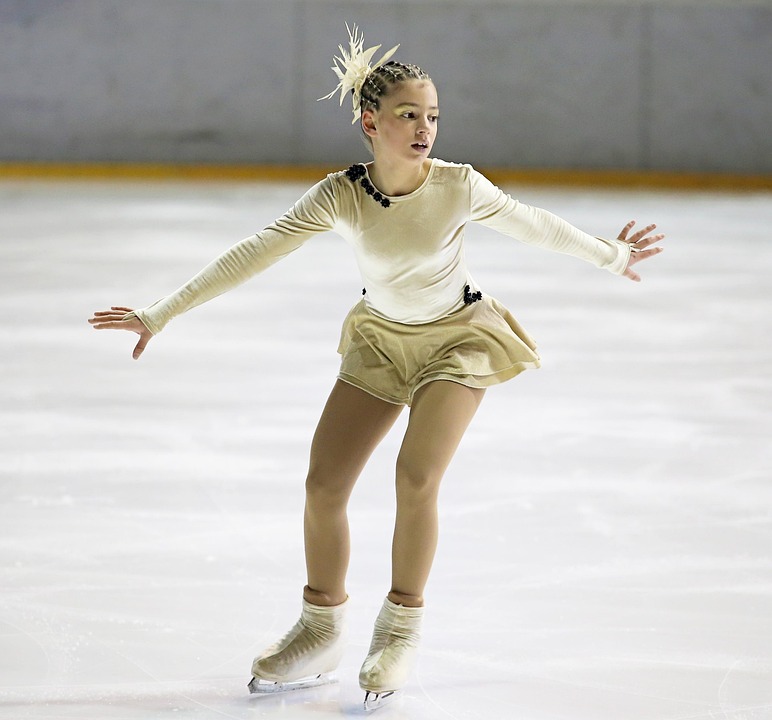
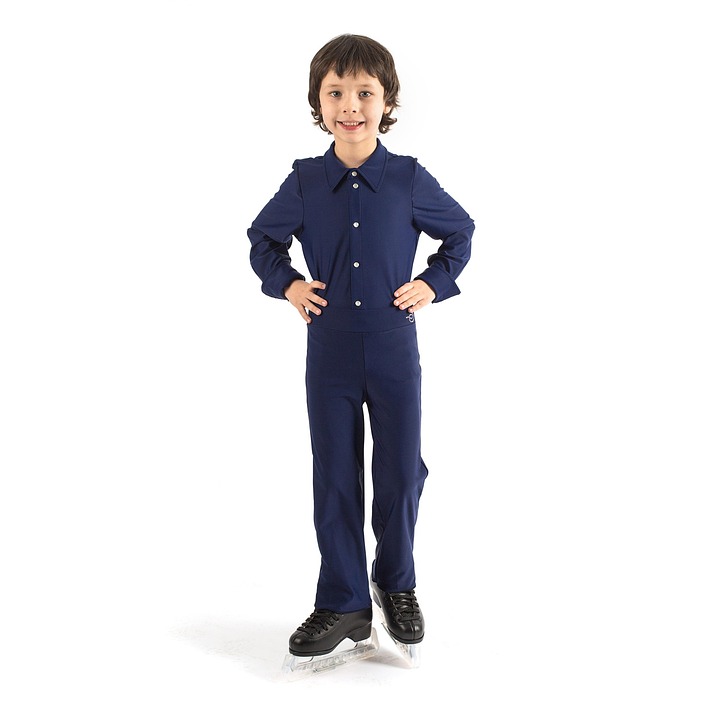
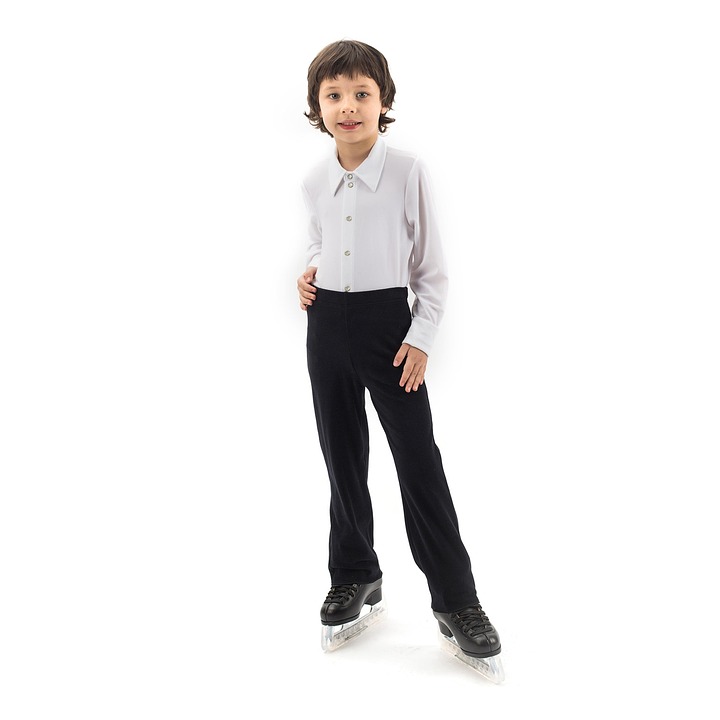
In contrast to the flowing fabrics of past eras, contemporary figure skating costumes often feature streamlined silhouettes and bold designs that reflect a more athletic aesthetic. The integration of non-traditional elements, such as cutouts, asymmetry, and mixed fabrics, has become commonplace. Athletes like Alina Zagitova have embraced these contemporary designs, presenting a sharp departure from classic styles while still respecting the tradition of the sport.
Expert Insights: The Future of Figure Skating Costumes
Industry experts predict that the evolution of figure skating costumes will continue to blend technology with artistry. Innovations such as 3D printing offer designers the ability to create unique, customized outfits that further enhance a skater’s individual style. This trend not only promotes creativity but also encourages sustainability within the sport.
Key Takeaways: The Evolution of Figure Skating Costumes: From Classic to Contemporary
- Transformation Over Time: Costumes have shifted from functional to artistic expressions.
- Influential Figures: Pioneers like Sonja Henie and Michelle Kwan have set lasting standards in costume design.
- Performance Impact: Costumes affect presentation scores significantly.
- Innovative Materials: Modern costumes utilize high-tech fabrics and integrated technology, enhancing both aesthetics and performance.
- Future Directions: Expect continued evolution through personalized designs and eco-friendly practices.
In summary, the evolution of figure skating costumes serves as a mirror to the broader changes within the sport. As costumes continue to evolve with fashion and technology, they play an increasingly crucial role in how skaters express themselves and connect with their audiences. Embracing this evolution is vital for skaters, coaches, and fans alike as they navigate the dynamic world of figure skating.