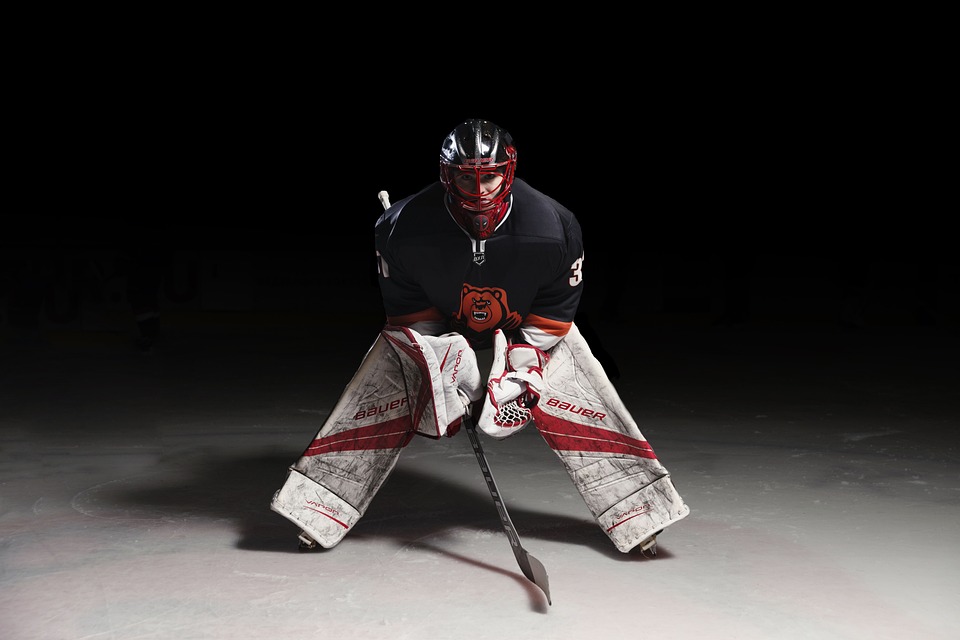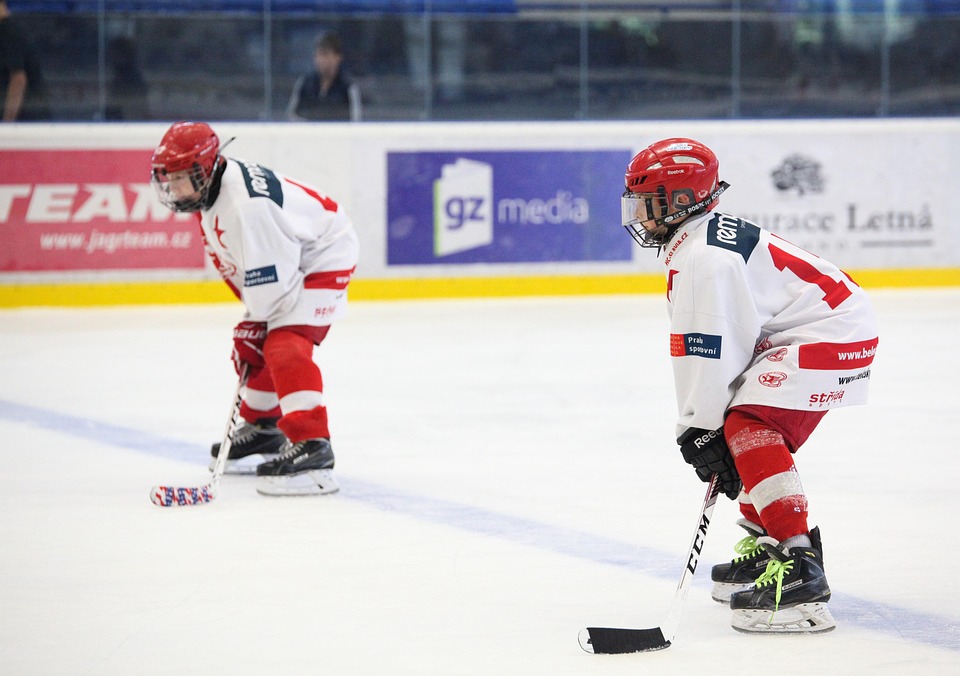

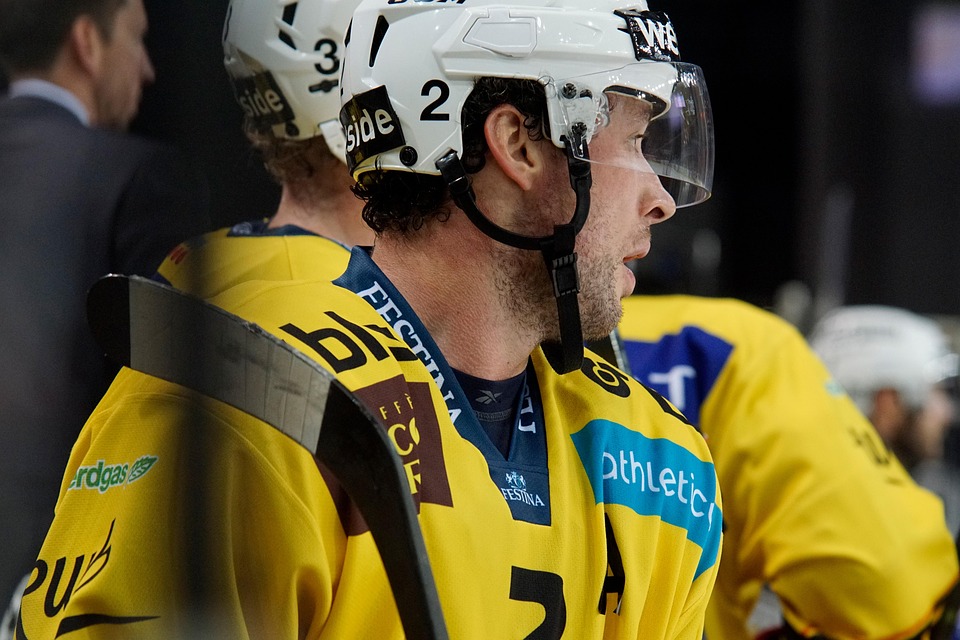
Ice hockey, a sport steeped in tradition, is undergoing a remarkable transformation fueled by advancements in training methods and technology. Today’s players are not only more skilled but also equipped with a deeper understanding of sports science, enabling them to perform at unprecedented levels.
This evolution matters immensely—not just for high-level athletes but for coaches and aspiring players alike. As training regimens become increasingly tailored and technological integration becomes crucial, grasping these changes is essential for anyone involved in the sport.
The Training Revolution: How Athletes Prepare
The modern ice hockey player’s training regimen is vastly different from those of earlier generations. Conditioning now emphasizes a comprehensive approach that includes strength training, agility drills, and sport-specific skills. Athletes utilize high-tech fitness trackers and heart rate monitors to tailor their workouts, ensuring optimal performance and recovery.
For instance, players like Nathan MacKinnon of the Colorado Avalanche are known for their rigorous off-ice training that combines weightlifting, plyometrics, and even yoga to enhance flexibility and longevity. This holistic approach addresses both physical conditioning and mental fortitude, crucial elements for high-stakes scenarios like playoff pushes.
Technological Integration: Tools of the Trade
Advancements in technology have transformed how players train and strategize. Video analysis software, for example, allows athletes and coaches to dissect game footage in real time, identifying areas for improvement. This technological prowess extends beyond personal performance; teams employ analytics to shape strategies, such as forechecking systems or power play formations.
A standout example is the use of systems like Statcast in the NHL, which tracks player movement, shots, and other key metrics, providing valuable insights that help inform game plans. Teams now allocate resources to data analysts, demonstrating a shift in how the game is approached—not just on the ice, but in preparation too.
Case Study: The Impact of Data Analytics
Consider the New Jersey Devils’ use of player tracking technology. By monitoring skaters’ movements during games, they’ve optimized their strategic responses, such as defensive formations and transition plays. Such insights have revolutionized how coaches devise in-game tactics, allowing for quicker adjustments based on real-time data.
The Psychological Edge: Mental Conditioning
As training and technology have evolved, so too has the understanding of sports psychology. Today’s players are increasingly aware of the mental demands of ice hockey, especially during high-pressure situations like shootouts or final minutes of a tied game. Techniques such as visualization and mindfulness are now common components of training regimens.
For example, elite players often engage in mental rehearsal—visualizing plays before they happen—to enhance performance under pressure. This psychological training complements physical preparation, leading to a more well-rounded athlete capable of managing the emotional rigors of competition.
The Future of Ice Hockey Training
Looking ahead, the evolution of ice hockey players will likely continue to be shaped by ongoing advancements in both training methods and technology. Innovations in virtual reality (VR) are already being explored, allowing players to simulate game scenarios in a controlled environment. This combination of physical conditioning and cutting-edge technology will define the next generation of hockey talent.
Key Takeaways: The Evolution of Ice Hockey Players
- Personalized Training: Modern players utilize sophisticated conditioning regimens tailored to individual needs.
- Tech-Driven Insights: Data analytics and video analysis are integral to strategy and player development.
- Mental Conditioning: Psychological training is crucial for handling high-pressure moments.
- Continuous Advancement: The evolution of the sport will persist with innovations in training and technology.
- Holistic Approach: Modern training encompasses physical, technical, and psychological components.
The evolution of ice hockey players through training and technology is not just a trend; it’s a revolution that promises to change the game fundamentally. Players, coaches, and fans alike must embrace these developments to maximize potential and achieve excellence on the ice. Engaging with these insights can provide athletes with the competitive edge they need in an increasingly demanding sport.