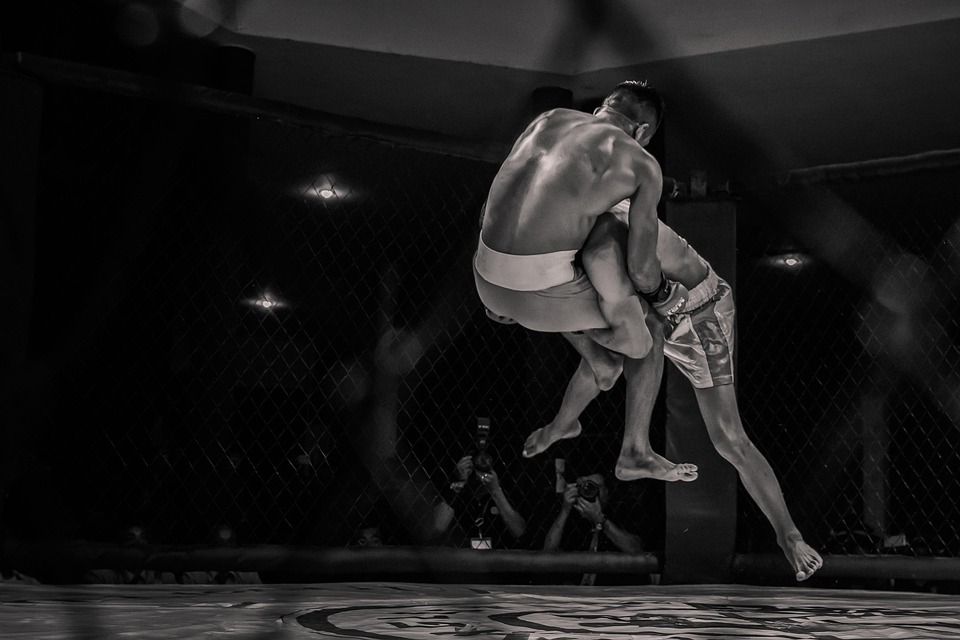

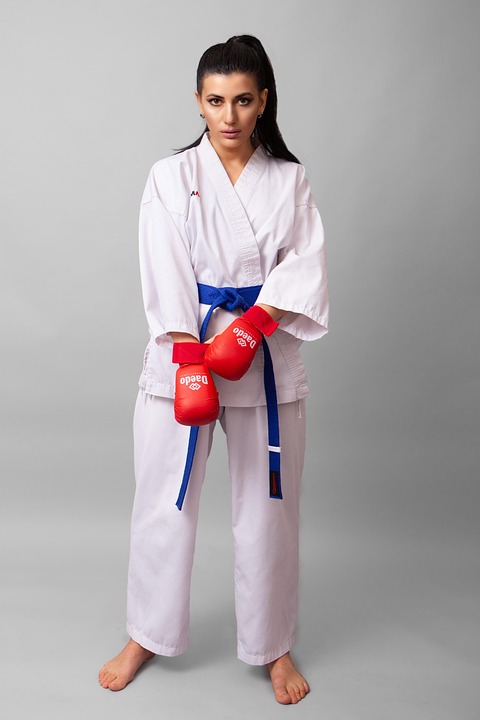
Mixed Martial Arts (MMA) has undergone tremendous transformation since its inception, shaped by unforgettable bouts and legendary fighters. This article explores pivotal fights that have significantly impacted the evolution of MMA, demonstrating how these moments not only altered the landscape of the sport but also reframed our understanding of combat strategy and athlete preparation.
Understanding these game-changing fights is essential for athletes, coaches, and fans alike. They reveal the shifts in technique, training regimens, and the psychological aspects that define the sport today. As MMA continues to grow globally, examining its history offers invaluable lessons for future generations of fighters.
The Birth of MMA: UFC 1
The first major event that truly captured global attention was UFC 1, held in 1993. This tournament-style competition brought together fighters from diverse martial arts backgrounds, including Brazilian Jiu-Jitsu, wrestling, and boxing, to discover the most effective fighting style. Royce Gracie, a Brazilian Jiu-Jitsu practitioner, emerged victorious, showcasing the effectiveness of ground fighting techniques against various striking styles. This monumental moment set the stage for the development of mixed martial arts, where adaptability became a key factor for success.
Throughout the years, the rules of MMA evolved to prioritize safety while preserving the sport’s competitive spirit. The introduction of weight classes and standardized scoring systems transformed MMA from a spectacle into a legitimate sport. Fighters began to focus on conditioning, nutrition, and strategy, moving away from the no-holds-barred approach that characterized early events.
The Rise of Striking: Liddell vs. Ortiz
A critical shift occurred in the early 2000s when Chuck Liddell and Tito Ortiz faced off in a rivalry that popularized striking techniques within MMA. Their fight at UFC 66 showcased Liddell’s knockout power and tactical striking, which became crucial components in fighter training.
This matchup illustrated how stand-up fighting could decisively change the outcome of a bout. Liddell’s victory not only solidified his status as a champion but also influenced countless fighters to develop effective striking skills. The emphasis on knockout power paved the way for modern training camps, where fighters now balance grappling and striking to succeed in the Octagon.
Case Study: Chuck Liddell’s Striking Legacy
– **Technique**: Liddell utilized a unique blend of boxing and kickboxing, incorporating solid footwork to evade punches and counter effectively.
– **Impact**: This fight set new benchmarks for striking effectiveness in MMA, pushing competitors to improve their stand-up game.
The Era of All-Rounders: St-Pierre vs. Penn
Georges St-Pierre vs. BJ Penn at UFC 94 in 2009 signified a turning point in the evolution of MMA fighters. St-Pierre displayed exceptional all-around capabilities, blending wrestling, striking, and Jiu-Jitsu seamlessly. This fight highlighted the importance of versatility, as St-Pierre neutralized Penn’s striking prowess through effective grappling techniques.
St-Pierre’s success inspired a new generation of fighters to adopt an all-encompassing approach to training, emphasizing skills across various disciplines. The era of specialized fighters began to give way to athletes who were proficient in all aspects of combat, leading to an evolution in training methods and fight strategies.
Practical Application: Modern Training Approaches
– **Cross-Training**: Fighters now balance training across multiple disciplines, incorporating wrestling, striking, and submission grappling.
– **Techniques**: Effective use of clinch work and ground-and-pound has become essential in modern fight strategies.
The Female Impact: Nunes vs. Cyborg
The 2018 bout between Amanda Nunes and Cris Cyborg showcased the emergence of female fighters as powerhouses in MMA. Nunes’s striking and tactical prowess led her to victory in what was considered a historical moment in women’s sports. This fight not only elevated women’s MMA but also demonstrated that skills and strategies are equally applicable, regardless of gender.
As female fighters gain prominence, they challenge gender stereotypes, often redefining training approaches. Their success has spurred greater investment in female divisions across major promotions, solidifying the notion that mixed martial arts is truly a platform for all athletes.
Key Takeaways: The Evolution of MMA
– MMA has transitioned from a no-holds-barred spectacle to a regulated, skill-based sport.
– Game-changing fights have prompted shifts in training regimens and combat strategies.
– Versatility in skill sets has become a hallmark of modern fighters, with an emphasis on cross-training.
– Women’s involvement is reshaping the sport, showcasing high-level competition in all divisions.
– Landmark fights have highlighted the significance of striking, grappling, and psychological resilience.
In conclusion, the evolution of MMA has been shaped by key moments that have redefined training, fighting style, and athlete mindset. For aspiring fighters and coaches, embracing lessons from history while adopting innovative training methodologies can pave the path to success in the Octagon. Exploring these game-changing fights is not only an appreciation of the past but also a roadmap to future excellence in mixed martial arts.