

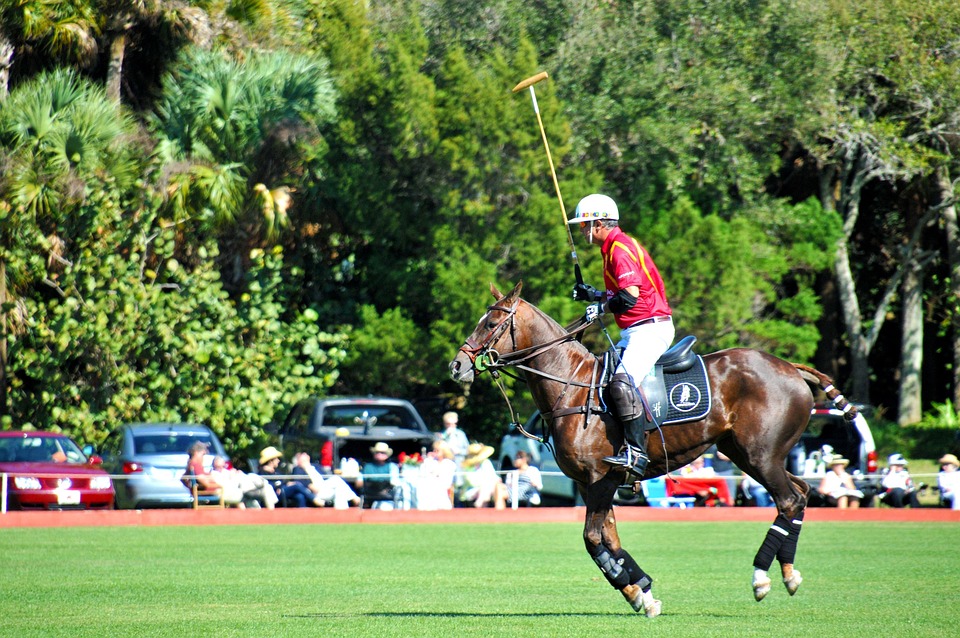
Polo, often referred to as the “sport of kings,” has seen significant transformations in its rules and regulations over the years. This evolution reflects broader changes within the sport, including player safety, gameplay strategy, and even the dynamics between horse and rider.
Understanding the evolution of polo rules is crucial for players, coaches, and fans alike. As the game continues to develop, knowledge of its historical context and contemporary implications can enhance gameplay and viewing experiences.
Historical Context of Polo Rules
The origins of polo date back to ancient Persia, but its modern rules began to take shape in the mid-19th century. The first recorded set of rules was proposed in 1874 by the Hurlingham Club in England, establishing guidelines that would govern gameplay, player safety, and fouls. These early regulations were pivotal in moving polo from an informal pastime to a structured sport.
Key aspects of the Hurlingham Rules included the size of the field, the role of umpires, and basic foul definitions. For example, the implementation of designated positions, such as back and forwards, was crucial in shaping team strategies. Over time, these foundational elements evolved, incorporating insights from international play and cultivating a global appeal.
The Impact of Safety Regulations
In recent decades, player safety has become paramount in the evolution of polo rules. The introduction of mandatory helmets and protective gear is a prime example. In 2002, the United States Polo Association (USPA) mandated the use of helmets in all matches, a decision influenced by rising awareness of head injuries in contact sports.
These safety regulations have not only changed how players prepare for and engage in matches, but they have also affected the dynamics of the game itself. With enhanced protection, players often feel more confident in their aggressive plays, resulting in a faster-paced and more exciting sport.
Major Rule Changes Over Time
As polo has gained global recognition, the need for standardized rules among different governing bodies became undeniable. The 1990s saw a significant push towards these standardizations, leading to the establishment of consolidated rules across associations like the USPA, the Argentine Polo Association, and the Hurlingham Polo Association. Such unification aimed to streamline international tournaments and improve player fairness.
One significant rule revision was the change in player handicaps. Initially, handicaps were assigned based solely on player performances, but they have since evolved to include factors like consistency and sportsmanship. This adjustment aims to create a more equitable playing field, allowing newer players to compete against seasoned veterans, thereby enhancing the game’s competitive spirit.
Case Study: The Introduction of Video Technology
The incorporation of video technology represents another evolution in polo rules. The use of instant replay to review contentious calls has changed the refereeing dynamic. This technology, first implemented internationally in 2013, allows for real-time assessments of fouls, ensuring greater fairness and accuracy in officiating. The case of the 2018 Gold Cup serves as a prime example, where a controversial foul was overturned after video review, showcasing technology’s transformative impact on game integrity.
Global Influence on Rule Evolution
Polo is now played across five continents, with each region adding its unique flavor to the sport. Countries like Argentina, England, and the USA have strong polo traditions, while emerging markets in Asia and the Middle East show the sport’s growing global appeal. This international presence has fostered a rich exchange of rules and practices, influencing how polo is played and officiated worldwide.
For instance, the Argentine style emphasizes strategic play and horse agility, leading to adaptations in rules regarding player substitution and match duration. As different schools of thought emerge, the evolution of polo rules reflects a blend of international perspectives, further enriching the sport.
Key Takeaways: The Evolution of Polo Rules
- The Hurlingham Rules of 1874 laid the groundwork for modern polo regulations.
- Safety measures, including mandatory helmet use, have become integral to player protection.
- Standardization of rules among international governing bodies promotes fairness and consistency.
- Player handicaps have evolved to consider more than just performance.
- Technological advancements, like video replay, enhance the accuracy of officiating.
- Globalization has led to a fusion of styles and rules, enriching polo’s competitive landscape.
In conclusion, understanding the evolution of polo rules is essential for anyone involved in the sport. The game continues to adapt, and staying informed about these changes can enhance not only performance but also the overall experience of both players and fans. As polo progresses, continued dialogue about rules and their implications will ensure the sport remains competitive, fair, and safe for generations to come.