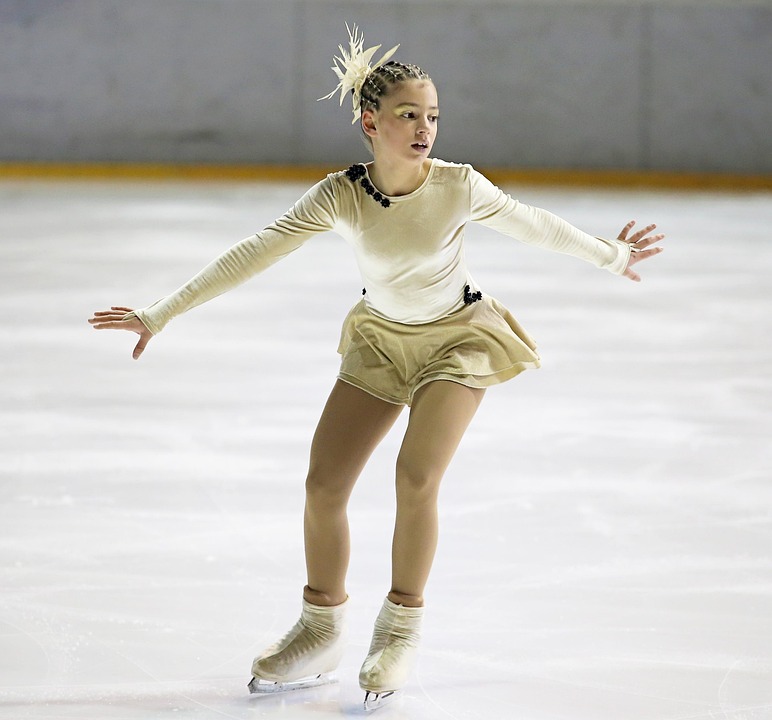

Mental toughness is a defining factor in the world of figure skating, a sport that blends artistry with athleticism. This unique combination demands not only physical dexterity but also immense psychological resilience. From handling competition pressure to performing flawlessly under the spotlight, the greatest skaters demonstrate that mental fortitude can often be the difference between victory and defeat.
Understanding the role of mental toughness in figure skating is essential for athletes, coaches, and fans alike, as it can shape training, performance strategies, and even the sport’s future. As the realm of competitive skating evolves, so too does the significance of the mental aspect.
The Role of Mental Toughness in Competition Pressure
In figure skating competitions, athletes face intense scrutiny from judges and spectators, amplifying performance anxiety. A prime example is two-time Olympic champion Yuzuru Hanyu. Known for his unparalleled artistry and technical prowess, Hanyu has often spoken about the mental strategies he employs to cope with pressure. He focuses on visualizing his routines, allowing him to manage stress and stay composed during pivotal moments.
Similarly, American figure skater Nathan Chen emphasizes the importance of mental preparation, particularly when it comes to competing at the highest level. He recalls how visualizing success helps to alleviate the psychological burden, enabling him to approach each competition with confidence. His routine often includes setting specific goals that allow him to compartmentalize performance anxiety, leading him to remarkable wins, such as his historic performances at the 2022 Beijing Olympics.
Strategies for Mental Resilience in Performance
Athletes often embrace various psychological strategies to enhance their mental toughness. One common technique involves practicing mindfulness and meditation, which can significantly improve focus and anxiety management. This practice helps skaters like Japanese champion Shoma Uno maintain clarity during competitions, allowing them to adapt their performances even when faced with unexpected challenges.
Another effective method is constructing a pre-performance routine. Canadian skater Kaetlyn Osmond attributes her success to the rituals that ground her before stepping onto the ice. These routines help create a sense of familiarity and control, enhancing her confidence as she approaches the demanding requirements of her performances.
Visualization Techniques for Peak Performance
- Creating Mental Rehearsals: Athletes visualize executing their routines perfectly, incorporating details like choreography and footwork sequences.
- Setting Specific Goals: Focusing on performance aspects rather than outcomes can help reduce anxiety.
- Using Affirmations: Positive self-talk reinforces confidence and combats negative thoughts.
- Developing Rituals: A consistent pre-performance routine can stabilize emotions and create a calming effect.
Recovery and Mental Reset after Mistakes
Mistakes can happen in the blink of an eye during a routine, and how a skater recovers mentally is crucial for performance longevity. Olympic silver medalist Ashley Wagner illustrates how allowing oneself to acknowledge setbacks is a part of growth. She often emphasizes the importance of having a quick mental reset strategy. This might include a deep breath, shifting focus back to the next element, and visualizing success rather than dwelling on errors.
Similarly, American pair skater Alexa Scimeca-Knierim discusses the power of resilience in bouncing back from mistakes. She believes in transforming slip-ups into learning opportunities, which not only enhances performance in future competitions but contributes to long-term mental toughness.
Techniques for Effective Recovery
- Mindfulness Breathing: Pausing to take deep breaths can ground an athlete after a mistake.
- Post-Performance Reflection: Analyzing what went wrong and what went right can facilitate quicker recovery.
- Engaging in Positive Reframing: Shifting focus from failure to future potential can foster resilience.
- Utilizing Support Networks: Coaches and teammates can provide reassurance and constructive feedback following a setback.
Expert Insights on Mental Toughness in Figure Skating
According to sports psychologists, mental toughness in figure skating is not just about resilience against stress but also encompasses emotional intelligence and the ability to maintain focus and concentration. Coaches pave the way by integrating mental training into daily practice regimes, underscoring its importance as foundational to athlete development. Skaters like Michelle Kwan and Kristi Yamaguchi have exemplified how emotional depth in performances can be equally powerful, consistently blending artistry with psychological strength.
Key Takeaways: The Impact of Mental Toughness in Figure Skating
- Mental toughness is crucial for athletes facing high-pressure competition environments.
- Techniques like visualization, mindfulness, and goal setting are effective in building mental resilience.
- Skaters such as Hanyu, Chen, and Osmond exemplify the importance of psychological strategies in peak performance.
- Quick mental resets after mistakes can significantly impact overall performance outcomes.
- Coaches play a vital role in integrating mental training into athletes’ routines and emphasizing its importance.
In the highly competitive world of figure skating, mental toughness is more than just a buzzword; it’s a vital component that shapes the trajectories of athletes. Embracing mental strength through practice and strategy equips skaters to not only meet the demands of their sport but to thrive in it. Building this resilience not only empowers athletes in their competitive pursuits but also enriches their broader sporting journey.