

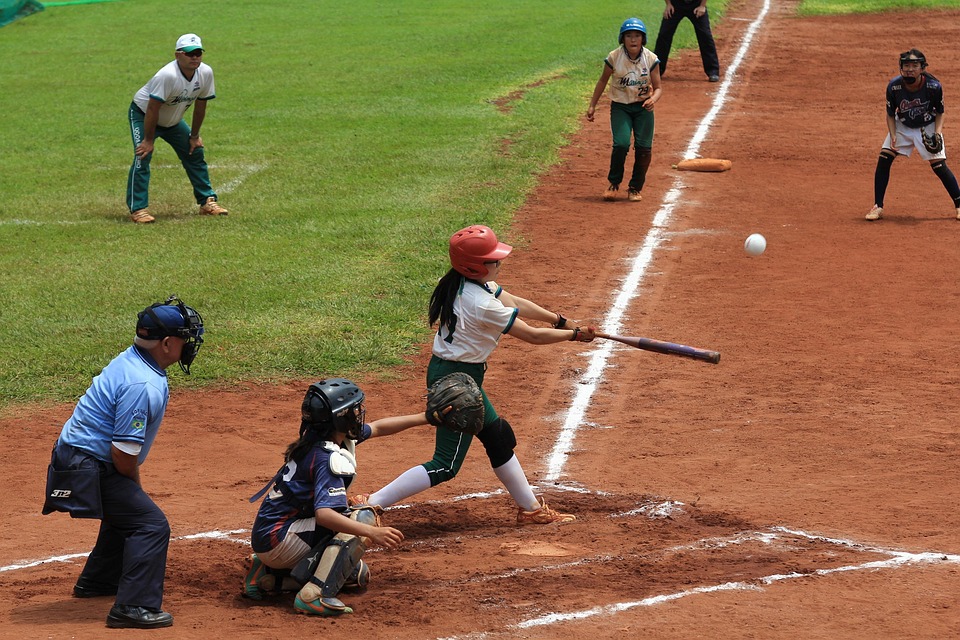
In the competitive landscape of softball, mental toughness often distinguishes the good from the great. This resilience enables players to handle pressure, recover from setbacks, and maintain focus through the ups and downs of a game. Understanding how to cultivate mental toughness not only enhances individual performance but also strengthens team dynamics, making it essential for players at every level.
In today’s fast-paced sports environment, mental fortitude is becoming increasingly crucial. Players face immense pressure during key moments, whether from a roaring crowd in the championship game or the self-imposed stakes of a local tournament. As softball evolves, the demand for players who can withstand psychological stress has never been higher.
Understanding Mental Toughness in Softball
Mental toughness encompasses a range of psychological factors, including confidence, focus, and resilience. Athletes who possess this quality demonstrate a profound ability to bounce back from failures and hold their composure during critical moments. For instance, renowned players like Jennifer McNeil have spoken about their mental preparation routines before major games, highlighting how visualization techniques help them execute under pressure.
Research shows that mental toughness directly correlates with performance levels in high-stakes situations. A study published in the Journal of Applied Sport Psychology found that athletes with higher mental toughness scores had a greater likelihood of achieving their performance goals, particularly in situations requiring quick decision-making and self-discipline.
Strategies for Building Resilience
To enhance mental toughness, players can adopt several strategies aimed at nurturing resilience and focus. These techniques can be easily integrated into regular practice routines.
-
Visualization Techniques: Athletes should practice picturing themselves succeeding in various game scenarios. This could involve visualizing executing a clutch hit or making a critical defensive play. Studies suggest that mental imagery can significantly improve skill execution.
-
Goal Setting: Establishing clear, achievable goals can provide players with direction and motivation. Whether it’s improving batting averages or enhancing defensive skills, setting specific milestones allows athletes to center their focus and measure progress.
Case Study: The Power of Routine
Many successful athletes employ pre-game routines to prime their minds for competition. For example, professional player Cat Osterman often emphasizes the importance of a consistent warm-up and mental focus before games. By engaging in a ritual that includes both physical and mental preparation, players can instill a sense of confidence and control that translates into enhanced performance.
Recognizing and Overcoming Pressure
Pressure situations—such as bases loaded with two outs—can be intimidating for players. Developing strategies to cope with these high-stakes moments can make all the difference.
Athletes can embrace breathing exercises to maintain composure and calm their nerves. Techniques such as deep-breathing or mindfulness meditation can keep athletes centered, allowing them to perform at their best when stakes are highest.
Practical Application in Games
During a recent tournament, a young team faced a major deficit late in the game. Instead of succumbing to anxiety, they relied on their mental toughness training and executed a series of clutch performances under pressure, demonstrating that resilience can be nurtured and displayed in real-game situations.
Cultivating a Resilient Mindset Through Team Dynamics
Mental toughness is not solely an individual endeavor; it thrives in team settings. Coaches play a vital role in fostering an environment where resilience can flourish. Implementing team-building activities that challenge players mentally and physically can contribute to a collective sense of toughness.
Encouraging open communication within the team about fears and challenges can also help athletes support one another, providing a foundation for shared resilience. Additionally, promoting a culture that views failures as growth opportunities rather than setbacks can enhance overall team mental toughness.
Key Takeaways: The Importance of Mental Toughness in Softball: Strategies to Build Resilience
- Mental toughness is essential for performance under pressure.
- Visualization and goal setting are powerful techniques to improve resilience.
- Pre-game routines help athletes mentally prepare for competition.
- Breathing exercises and mindfulness can combat nerves in high-pressure situations.
- Team dynamics play a crucial role in cultivating individual and collective resilience.
- Embracing failures as learning opportunities fosters a supportive team environment.
In conclusion, the path to developing mental toughness in softball requires intentional strategies and a commitment to resilience. By integrating these techniques into everyday practice, players can significantly enhance their performance and enjoyment of the game. Ultimately, cultivating mental toughness is about finding strength in adversity and consistently striving for improvement. Implement these strategies in your training today to build not just physical prowess but also a resilient mindset that can carry you through every game.