
Sportsmanship is the backbone of soccer culture, encapsulating respect, fairness, and integrity on the pitch. As the sport garners attention globally, understanding the principles of sportsmanship becomes essential not just for players, but for fans and coaches alike. This article delves into the significance of sportsmanship, emphasizing the established codes of conduct and their impact on the beautiful game.
Why Sportsmanship Matters Now
In an era where soccer transcends borders and cultures, poor sportsmanship can tarnish the reputation of the game. Incidents of unsporting behavior, such as racism or aggressive conduct, can lead to severe penalties, including bans and fines. The need for adherence to codes of conduct has never been more pertinent, as players must embody the values that make soccer a universally cherished sport.
Historical Perspectives on Sportsmanship
Throughout soccer’s storied history, sportsmanship has evolved alongside the game itself. Initially characterized by a gentleman’s agreement, the game has seen the establishment of formal codes of conduct. These include regulations set by organizations like FIFA and UEFA, promoting fair play and respect.
Globally recognized tournaments such as the FIFA World Cup have made sportsmanship a focal point. The iconic “Fair Play” award, presented since 1970, encourages teams to play honorably. In 2018, Spain was awarded this honor for their discipline on the field, showcasing how positive conduct can be rewarded. This historical backdrop underlines the importance of maintaining sportsmanship at every level.
The Role of Codes of Conduct in Promoting Fair Play
Key Principles
Codes of conduct serve as the framework for sportsmanship, articulating expectations for players, coaches, and officials. Core principles include:
- Respect for Opponents: Players are expected to compete fiercely but fairly, acknowledging the skills of their rivals.
- Integrity: Players should display honesty, avoiding deception or misconduct.
- Discipline: Adhering to the rules and regulations of the game, including understanding the implications of yellow and red cards, upholding the spirit of competition.
These guiding tenets are crucial in nurturing a competitive but respectful environment.
Case Study: The Influence of VAR
The implementation of Video Assistant Referee (VAR) technology is a modern example of how sportsmanship can be upheld through technology. VAR has helped reduce controversial decisions, promoting fairness in the game. For instance, during the 2019 UEFA Champions League semifinals, a VAR decision overturned a controversial penalty call, reinforcing the commitment to fair play. This innovation signifies a progressive step in ensuring the integrity of soccer.
Youth Development and Sportsmanship
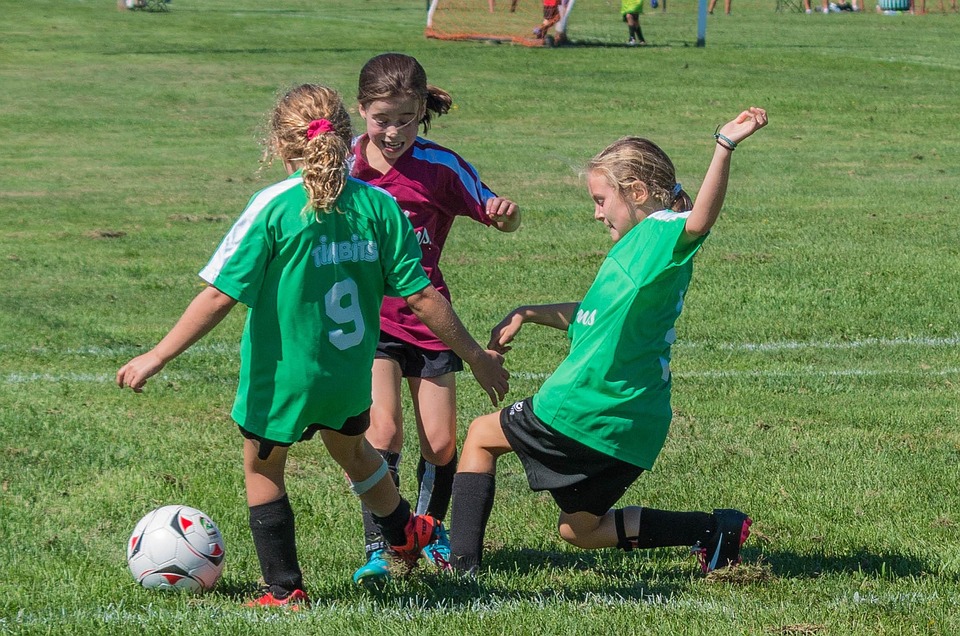
Teaching sportsmanship at the youth level is vital for cultivating the next generation of soccer players. Various youth leagues worldwide emphasize sportsmanship through structured programs. Coaches are encouraged to model respectful behavior and instill the values of teamwork, accountability, and humility.
In countries like Brazil and Germany, grassroots initiatives have been developed to integrate sportsmanship into training programs. Players learn to respect rule enforcement, whether it’s acknowledging an opponent’s skill or understanding the impact of a referee’s decision. Such initiatives create a culture where respect thrives on and off the pitch.
Expert Opinions on Sportsmanship
Renowned coaches, such as Jürgen Klopp and Jill Ellis, have underscored the significance of sportsmanship in their coaching philosophies. Klopp emphasizes that a team’s character is reflected in their conduct, while Ellis highlights the importance of respect for the game and opponents.
These insights reinforce the notion that sportsmanship is not merely an abstract concept; it is a concrete behavior that influences team performance and personal growth.
Key Takeaways: The Importance of Sportsmanship in Soccer
- Sportsmanship is a foundational pillar of soccer culture, promoting respect and integrity.
- Historical milestones reflect how sportsmanship has evolved, influencing modern-day regulations.
- Codes of conduct instill essential principles like respect, integrity, and discipline in players.
- Technologies like VAR play a crucial role in upholding fairness and transparency.
- Youth development programs are essential for teaching sportsmanship early.
- Coach insights reiterate that conduct on the pitch is as vital as technical skills.
In conclusion, sportsmanship is not an optional element of soccer; it is a crucial aspect that defines the sport’s essence. Coaches, players, and fans must commit to the principles that foster an environment of respect and integrity. By prioritizing sportsmanship, soccer can continue to thrive as a beloved, unifying force in global culture.