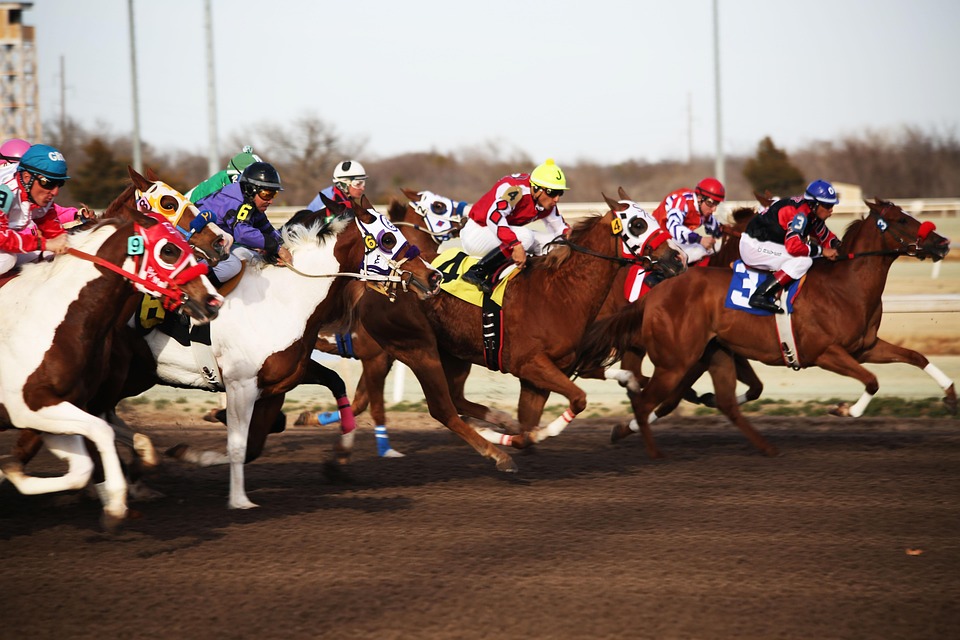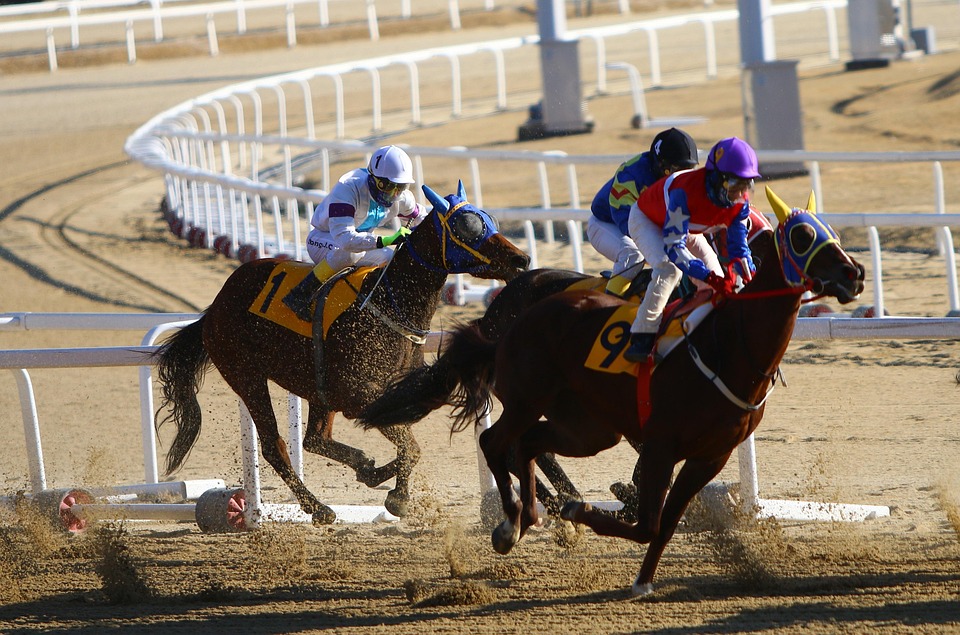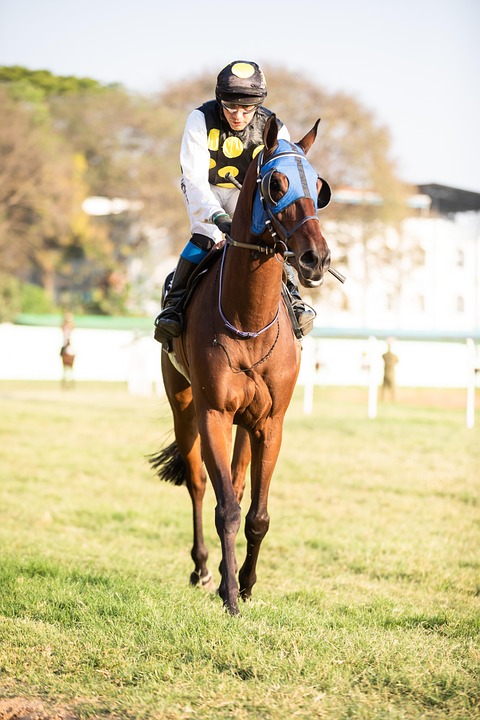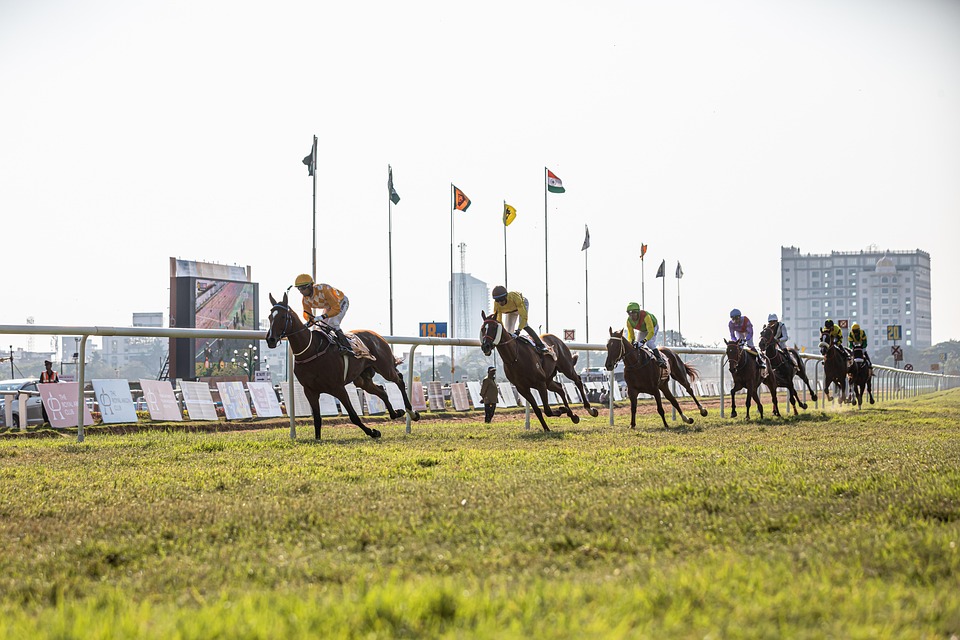

The success of a thoroughbred race often hinges on the skill and strategy employed by the jockey. From riding techniques to psychological resilience, jockeys play a pivotal role in ensuring their mounts perform at their peak. This article delves into the essential skills and strategies that define successful jockeying in thoroughbred racing.
Understanding the pivotal role of jockeys helps fans appreciate the intricate dance that occurs during a race. Jockeys are not just riders; they are critical decision-makers whose choices can make or break a race. Their ability to adapt to track conditions, understand their horse’s mechanics, and execute strategies under pressure is vital for success.
Essential Skills of a Jockey
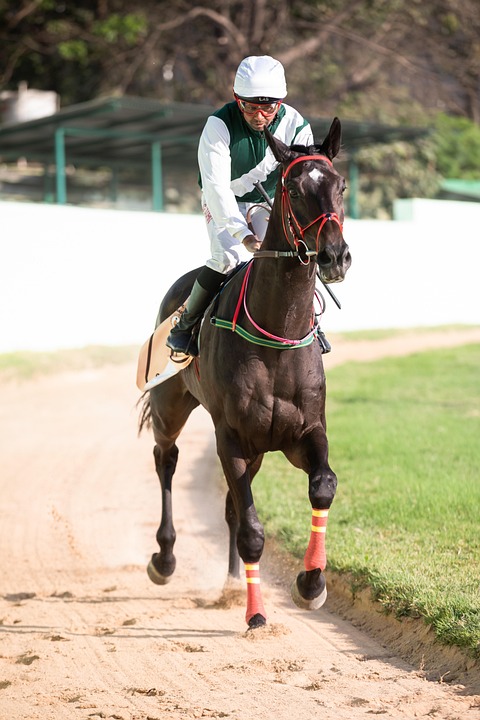
A proficient jockey must possess a myriad of skills that extend far beyond mere riding ability. Firstly, balance and coordination are paramount. The jockey’s command over their body allows them to synchronize with the horse’s movements, especially during sharp turns and rapid accelerations. Notably, Frankie Dettori exemplifies this skill, famously riding in a way that not only maintains balance but maximizes the horse’s speed.
Additionally, physical fitness cannot be overlooked. Jockeys need upper and lower body strength to control their mounts effectively while also managing their weight within the rigorous constraints set by racing regulations. Many successful jockeys, such as Michelle Payne—the first female rider to win the Melbourne Cup—understand the importance of conditioning and nutrition, maintaining strict training regimens to optimize performance.
Riding Techniques and Strategies
A jockey’s riding technique heavily influences the horse’s performance. Effective pacing is fundamental, as it allows for the conservation of energy for the final stretch. Jockeys often use their instincts to determine when to lead and when to hold back to maximize their horse’s closing speed. A prime example of effective pacing can be seen in the 2015 Kentucky Derby, where American Pharoah’s jockey, Victor Espinoza, executed a strategy that saw him control the race tempo effortlessly.
Case Study: Tactical Decision-Making in Races
In high-stakes races, tactical decisions can yield significant outcomes. During the Belmont Stakes, the choice to hug the rail or move wide to avoid congestion can mean the difference between victory and defeat. Jockeys often rely on their experience to make these split-second choices. For instance, in the 2016 Breeders’ Cup, a late move by Nyquist’s jockey illustrated the skill involved in maneuvering through challenging field conditions to secure a win.
Psychological Resilience and Pressure Management
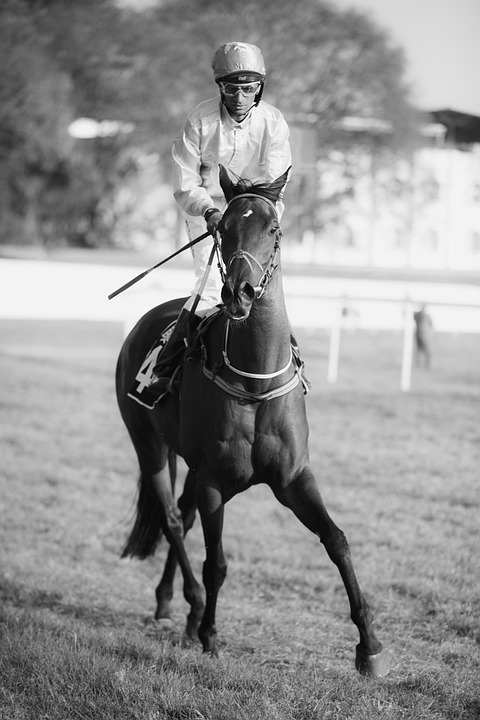
The emotional landscape of racing cannot be overstated. Jockeys must maintain focus despite the cacophony of the racetrack and the intense pressure of competition. Mental resilience during the final furlong is crucial, where emotional and physical fatigue can stall even the most well-conditioned horses. The legendary jockey Bill Shoemaker once said, “The only way to practice is to race,” emphasizing that the stress of competitive environments sharpens a jockey’s performance.
Real Race Scenario: Mental Reset Post-Defeat
A crucial aspect of a jockey’s psychology is their capacity for a mental reset after a poor finish. The aftermath of a frustrating race can cloud judgment if not handled adeptly. Jockeys like John Velazquez have demonstrated the importance of staying grounded, employing techniques such as visualization and mindfulness to maintain composure for subsequent races.
Strategic Insights for Aspiring Jockeys
Knowing how to manage both the horse and the racecourse is vital for any aspiring jockey. Engaging in thorough pre-race preparation, including studying track conditions and developing mental strategies, is fundamental. Observing seasoned jockeys and analyzing their choices can provide invaluable insights into strategic racing.
Key Takeaways: The Role of Jockeys in Thoroughbred Racing
- Mastery of balance and coordination is essential for effective riding.
- Physical fitness and weight management are crucial for performance.
- Pacing strategies directly impact race outcomes.
- Tactical decision-making, particularly in the stretch run, can lead to victory.
- Psychological resilience is vital for maintaining focus under pressure.
- Mental reset techniques help recover from defeat and optimize future performances.
In conclusion, the art of being a successful jockey requires a blend of physical prowess, strategic intellect, and mental fortitude. Aspiring jockeys should engage in focused training that includes strength conditioning, studying race dynamics, and developing psychological resilience. As they refine their skills, they will better navigate the challenges of thoroughbred racing, establishing themselves as impactful competitors in the sport.