
Thoroughbred training is a meticulous process that combines science, art, and experience. Understanding the techniques that elevate these majestic athletes into champions is essential for trainers, jockeys, and racing enthusiasts. This article delves into the methodologies that make thoroughbreds peak performers on the track.
In an era where competition is fierce and stakes are high, the techniques employed in thoroughbred training can make the difference between a good horse and a great one. The science behind these methods not only enhances the horses’ physical abilities but also fine-tunes their psychological readiness, allowing them to thrive during races.
Conditioning and Fitness Regimens
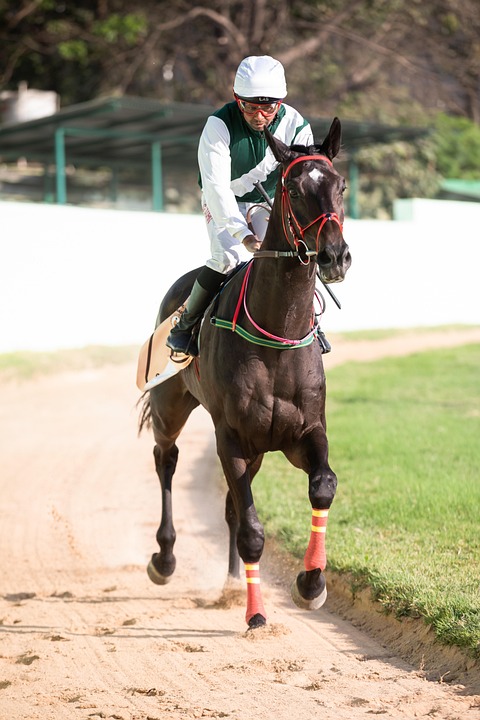
A strong foundation in fitness is crucial for developing a successful racehorse. Thoroughbreds undergo a rigorous conditioning regimen that includes interval gallops and endurance training, designed to enhance their stamina and speed. Trainers like Bob Baffert often emphasize the importance of tailored fitness programs suited to each horse’s unique capabilities and racing style.
Interval gallop workouts, for instance, involve running at high speeds over short bursts followed by recovery periods, which helps build both muscle strength and cardiovascular fitness. Horses like American Pharoah demonstrated how effective these techniques can be, with his impressive victories in the Triple Crown in 2015, showcasing both speed and endurance honed through this rigorous training.
Nutrition and Recovery Strategies
Alongside physical conditioning, nutrition plays a pivotal role in preparing thoroughbreds for success. A balanced diet rich in carbohydrates, proteins, and essential vitamins ensures optimal energy levels and muscle recovery post-training. The use of ice baths, stretching, and massage therapy further aids recovery, allowing horses to bounce back quickly from intensive sessions.
Key recovery methods include:
- Ice baths for reducing muscle soreness.
- Regular stretching routines to maintain flexibility.
- Massage to promote circulation and relaxation.
Thoroughbreds that receive comprehensive nutritional and recovery support are more likely to maintain peak performance levels throughout their racing careers.
Psychological Preparation
The psychological aspect of training is equally crucial. A horse’s mental state can greatly influence its on-track performance. Techniques used in preparing horses involve desensitization to race day stimuli, from crowds to noises, ensuring they remain calm and focused. Jockeys like Frankie Dettori have often spoken about how their own composure impacts the horse’s mindset and performance under pressure.
Case Study: The Mental Game at the Kentucky Derby
During the Kentucky Derby, a race that can be both thrilling and overwhelming, thoroughbreds are subjected to a myriad of distractions. Successful horses are trained to handle this atmosphere through repeated exposure during training sessions. For example, a calm response to loud cheering or sudden movements can be the difference between winning and losing.
Techniques for Optimal Race Strategy
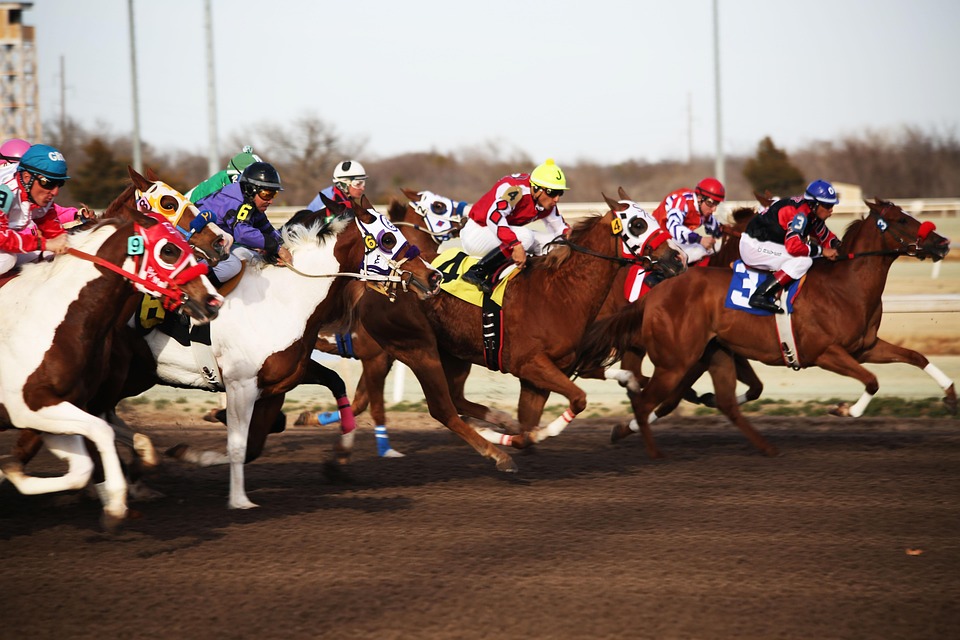
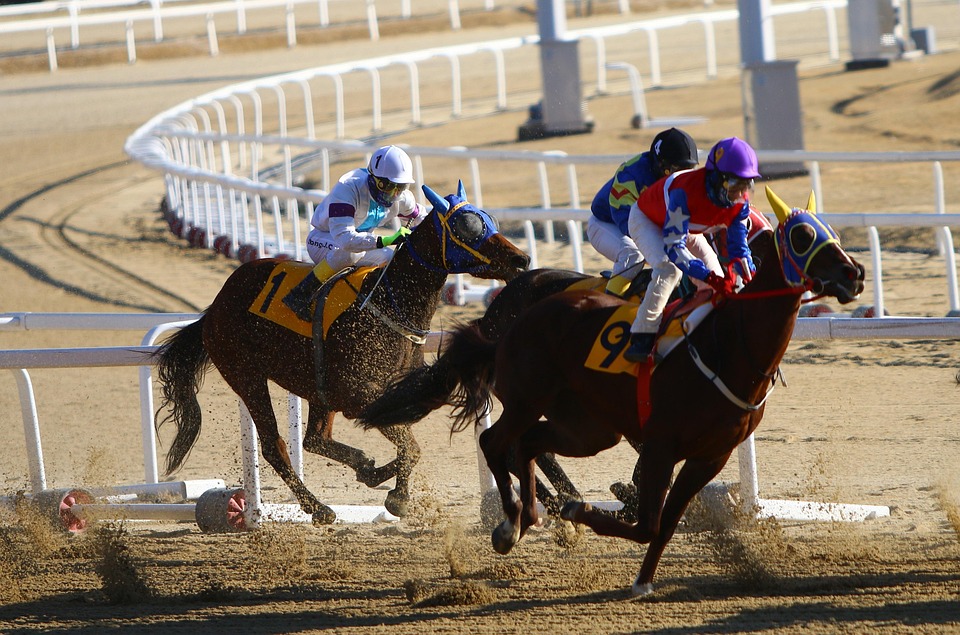
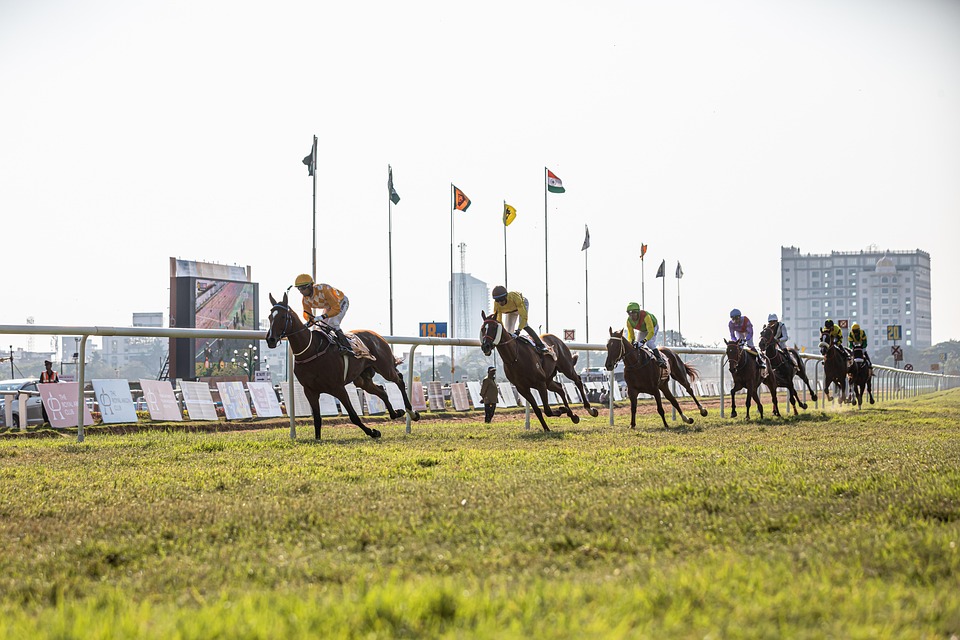
Thoroughfare techniques also extend to race-day strategies, involving split-second decisions based on a horse’s stamina and positioning. Jockeys must gauge their horse’s energy levels while assessing the competition. The tactical prowess observed in races involving legends like Secretariat showcases how a blend of training and instinct contributes to success.
Practical Application: The Preakness Stakes
In the Preakness Stakes, timing and positioning are critical. Jockeys must decide when to push for a closing kick or maintain pacing alongside competitors. Proper training prepares both horse and rider to execute these strategies effectively, maximizing their chances of victory.
Key Takeaways: The Science Behind Thoroughbred Training
- Comprehensive conditioning regimens are vital for stamina and speed.
- Nutrition is key for optimal performance and recovery.
- Psychological preparation can greatly influence race outcomes.
- Tactical decision-making during races defines competitive success.
- Individualized training programs are essential for developing each horse’s strengths.
A specific training drill, such as implementing interval gallops followed by recovery routines, can dramatically improve a horse’s performance level. As trainers and jockeys hone their techniques, these athletes can continue to develop into the champions of tomorrow.