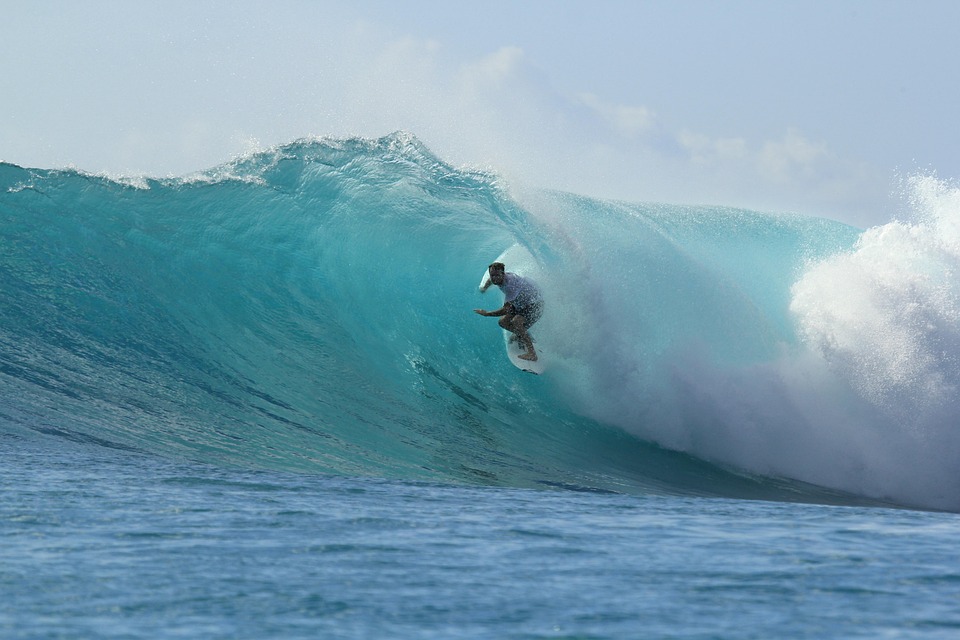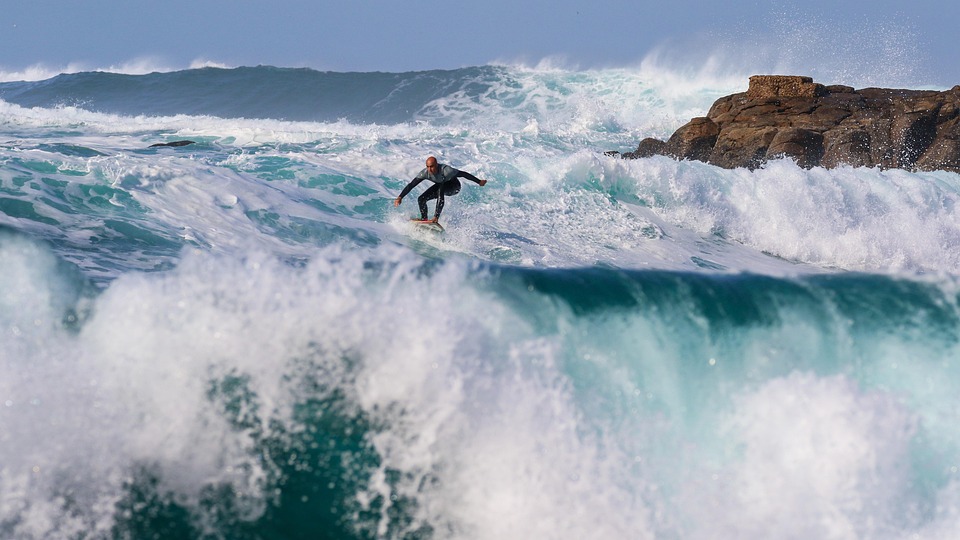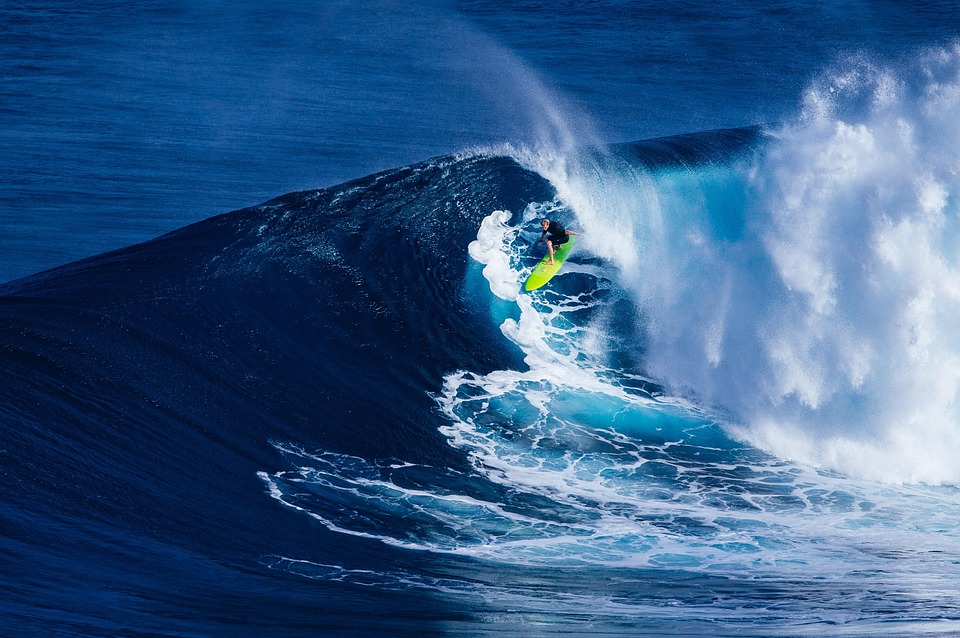


In the captivating world of surfing, understanding the physical forces that shape our favorite ocean playground is essential for every surfer. From the ebb and flow of tides to the intricacies of wave formation, these elements dictate our surfing experiences. This article delves deep into the science behind waves, tides, and surf conditions, equipping you with the knowledge to navigate the ocean more effectively.
Surfing is not just an adrenaline-pumping sport; it’s a dynamic interaction with nature. Whether you’re a seasoned surfer or a beginner, comprehending how waves and tides work can significantly enhance your surfing performance. By grasping these concepts, surfers can optimize their time in the water, making educated decisions about when and where to catch the best waves.
The Formation of Waves: Mechanics Behind the Magic
Waves are formed as wind blows across the surface of the ocean, transferring energy to the water. When this energy travels over a distance, it creates swell—an essential component for surfers. The size, shape, and power of waves are influenced by multiple factors, including wind speed, duration, and the fetch, which is the distance the wind travels across the water’s surface.
Different types of waves have unique characteristics. For instance, beach break waves typically break over a sandy bottom and can vary in shape based on shifts in the sand, while point break waves break over a rocky shoreline, offering surfers cleaner, more predictable rides. Understanding these differences allows surfers to select their surfing spots wisely, optimizing their chances of a great session.
The Role of Tides in Surfing Conditions
Tides are another critical aspect that surfers must consider. The gravitational pull of the moon and sun creates periodic changes in sea levels, affecting surf conditions. There are three primary tidal phases: high tide, low tide, and the transition phases, with each presenting unique surfing opportunities.
For instance, many surfers prefer to ride waves during mid to high tide, as waves tend to be fuller and less powerful, providing smoother rides. Conversely, low tide can expose rocks and reefs, often creating faster, punchier waves. Surfing spots like the famed Malibu beach are best during specific tide conditions, showing how knowledge of tides can lead to more successful surf sessions.
Real-World Example: The Impact of Tides at Huntington Beach
Huntington Beach is known for its consistently great waves, but the tide plays a crucial role in the quality of surf. On the contrary, during a low tide, the break may become either too shallow or too steep, altering the ride dramatically. Local surfers often check tide charts in advance, ensuring they hit the water at the optimal time, increasing their chances for an enjoyable experience.
Decoding Surf Conditions: Wind, Swell, and Weather
Beyond waves and tides, surf conditions are also affected by wind and weather patterns. Offshore winds, which blow from land to sea, can groom waves, making them cleaner and more lined-up for riding. On the other hand, onshore winds can create choppy conditions, making it challenging for surfers to navigate waves effectively.
Swell direction also matters. A north swell may produce larger, steeper waves at the southern California coast, while conditions may be less favorable further north. Utilizing weather apps and surf forecasts can give surfers a tactical advantage, helping them choose the best times and places for surfing.
Practical Application in the Water: Reading the Ocean
To maximize each surf session, surfers should develop skills to read the ocean accurately. This includes identifying swell direction, wave height, and wind conditions on the spot. Experienced surfers often suggest practicing wave observation from the beach before paddling out, noting how waves break and how tides affect their formation.
Expert Insights: Science in Surfing
Experts have continuously pointed out the importance of environmental understanding in surfing. Remarkably, some top surfers, like Kelly Slater, not only ride waves but are also keen observers of oceanic changes. They utilize this knowledge to predict conditions, demonstrating the practical application of science in enhancing one’s surfing prowess.
Key Takeaways: The Science of Surfing
- Waves are formed by wind energy, with their characteristics influenced by wind speed, duration, and fetch.
- Tides significantly impact surf conditions; mid to high tide typically offers better conditions in many spots.
- Understanding the difference between beach breaks and point breaks can guide surfers to optimal spots for their skill level.
- Wind direction matters; offshore winds provide cleaner waves compared to onshore winds.
- Surf forecasts and tide charts are essential tools for planning surf sessions.
In closing, developing a keen understanding of waves, tides, and surf conditions can elevate any surfer’s experience. Next time you paddle out, take a moment to observe the ocean and apply your knowledge—your surfing will improve, and your time spent in the water will be more rewarding. Consider practicing a simple drill: before each session, take a few minutes to note the tide, wind direction, and swell pattern. This practice will enhance your ability to read the water and ultimately improve your surfing skills.