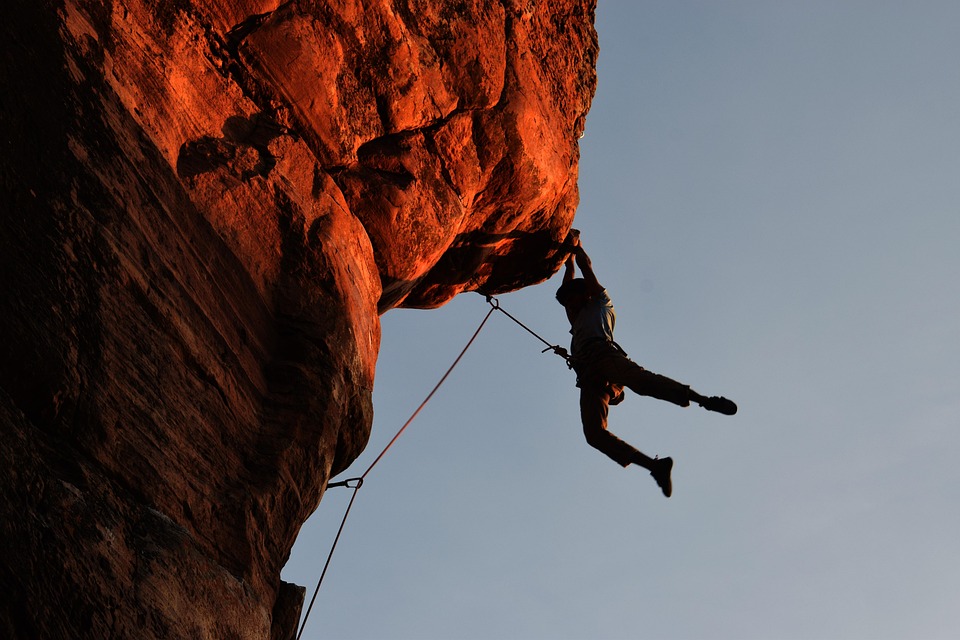


Adventure sports have gained immense popularity, offering thrill-seekers an adrenaline rush that transforms the mundane into the extraordinary. This guide explores some of the most exhilarating activities, from skydiving to BASE jumping, and delves into their techniques, safety protocols, and psychological aspects, ensuring that athletes and enthusiasts alike are well-informed and prepared for these daring pursuits.
As the extreme sports community evolves, understanding the nuances of these activities is crucial. Whether you are a seasoned athlete or a curious newcomer, familiarizing yourself with adventure sports not only enhances performance but also fosters a culture of safety and responsibility.
Skydiving: The Thrill of Freefall
Skydiving represents one of the most accessible forms of adventure sports. With millions of jumps performed annually across the globe, the sport has developed a robust infrastructure and community. Key elements include tandem jumps for beginners and advanced solo jumping for experienced athletes.
The primary technique in skydiving involves deploying a parachute to control descent and land safely. The skydiver must execute a series of maneuvers, such as tracking—moving horizontally in freefall to cover distance—and carving, which involves changing direction mid-air. Notable athletes like Layla Michelle have set records in artistic skydiving, showcasing intricate formations that require precision and skill.
Technique Breakdown: Key Skills in Skydiving
- Achieving Stable Position: Depending on the jump type, athletes must maintain a stable body position for optimal airflow and control.
- Deployment and Canopy Control: Proper training ensures parachute deployment occurs at the right altitude, and mastery of canopy control facilitates safe landings.
BASE Jumping: The Ultimate Leap
While skydiving requires altitude and aircraft, BASE jumping strips it down to a pure leap from fixed structures like buildings, antennas, spans (bridges), and earth (cliffs). With significantly lower altitudes, this sport demands a sharper focus on quick decision-making and heightened risk assessment.
What sets BASE jumping apart is the need for specialized equipment, including smaller parachutes designed for rapid deployment. Athletes train intensively to master techniques such as proximity flying, where they navigate close to terrain to maximize control and minimize risk.
Case Study: The Legend of Jeb Corliss
Jeb Corliss is a well-known figure in the BASE jumping community, recognized for his daring jumps and contributions to safety protocols. Corliss advocates the use of wingsuits, which allow for an expanded range of movement and speed during descents, illustrating how innovation drives the sport forward.
Training for Adventure Sports: Conditioning and Mental Preparation
Training regimes for athletes in adventure sports like skydiving and BASE jumping focus extensively on physical and mental conditioning. Elite athletes often emphasize the importance of core strength and cardiovascular endurance while also acknowledging the psychological demands of their respective sports.
Take, for instance, Felix Baumgartner, whose groundbreaking Red Bull Stratos jump was as much a feat of mental endurance as it was of physical prowess. Athletes like Baumgartner employ extensive visualization techniques to manage fear and ensure optimal decision-making during critical phases of their jumps.
Practical Application: Conditioning Strategies
- Physical Fitness: Incorporating strength training and stamina-building exercises, such as high-intensity interval training (HIIT), is vital.
- Mental Readiness: Practicing mindfulness or visualization can enhance focus and lower anxiety during the crucial moments before a jump.
Safeguards: Ensuring Safety in Adventure Sports
Safety is paramount in any adventure sport, and ensuring protective measures is critical. Each discipline has its own set of requirements regarding gear and protocols.
Common safety practices include:
- Proper Gear: High-quality helmets, harnesses, and parachutes are essential; the right equipment can mean the difference between life and death.
- Jumping in Ideal Conditions: Monitoring weather and environmental factors can significantly reduce risks.
- Training and Experience: Many organizations mandate a minimum experience level before allowing individuals to attempt specific jumps or tricks.
Key Takeaways: Adventure Sports Insights
- Adventure sports, including skydiving and BASE jumping, require rigorous training and preparation.
- Mastery of essential techniques enhances both performance and safety.
- Psychological readiness plays a pivotal role in managing risks and achieving success in extreme environments.
- Adequate protective gear and safety measures are critical in reducing accident rates.
Closing your pursuit of these thrilling activities involves not just the rush of adrenaline but also a commitment to safety and excellence. As you prepare for your next leap—figuratively or literally—consider practicing tandem jumps under the guidance of certified instructors. This foundational skill will set you on the path to a safe and thrilling journey through the world of adventure sports.