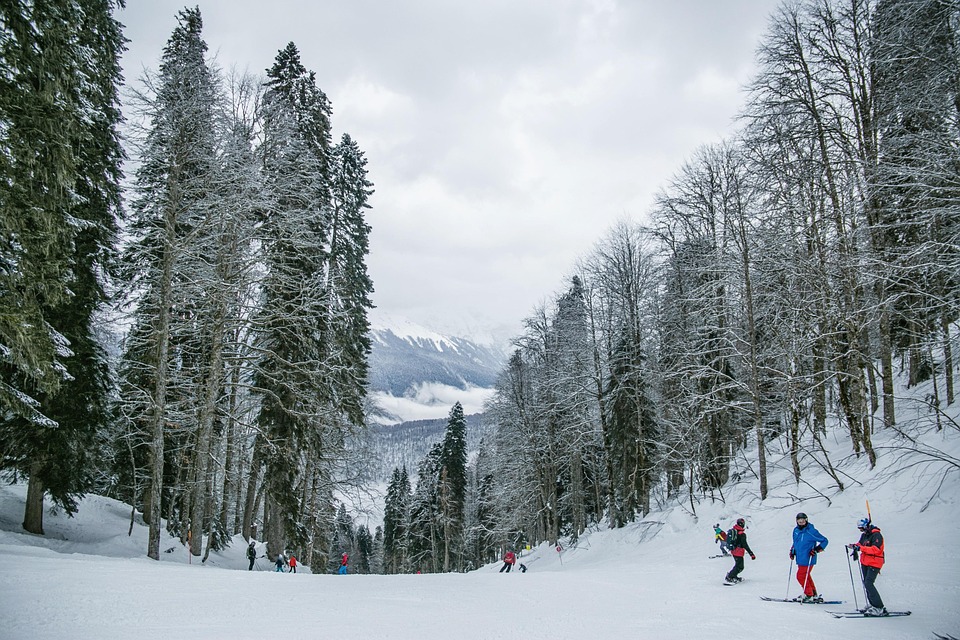

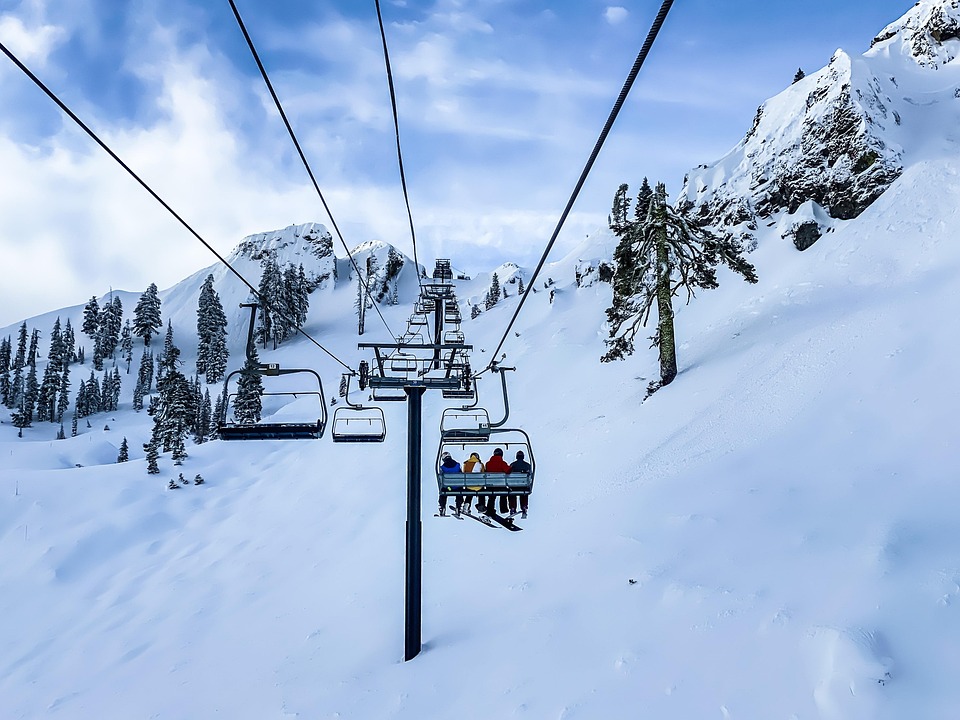
Alpine skiing is a thrilling blend of speed, skill, and precision, captivating winter sports enthusiasts across the globe. Whether you’re just starting or looking to refine your advanced techniques, this guide offers essential insights for skiers at every level.
Understanding the foundations and advanced techniques of alpine skiing can enhance not only your performance but also your enjoyment on the slopes. Mastery of these techniques is crucial not only for personal satisfaction but also for safety and enjoyment in this exhilarating sport.
Essential Techniques for Beginners
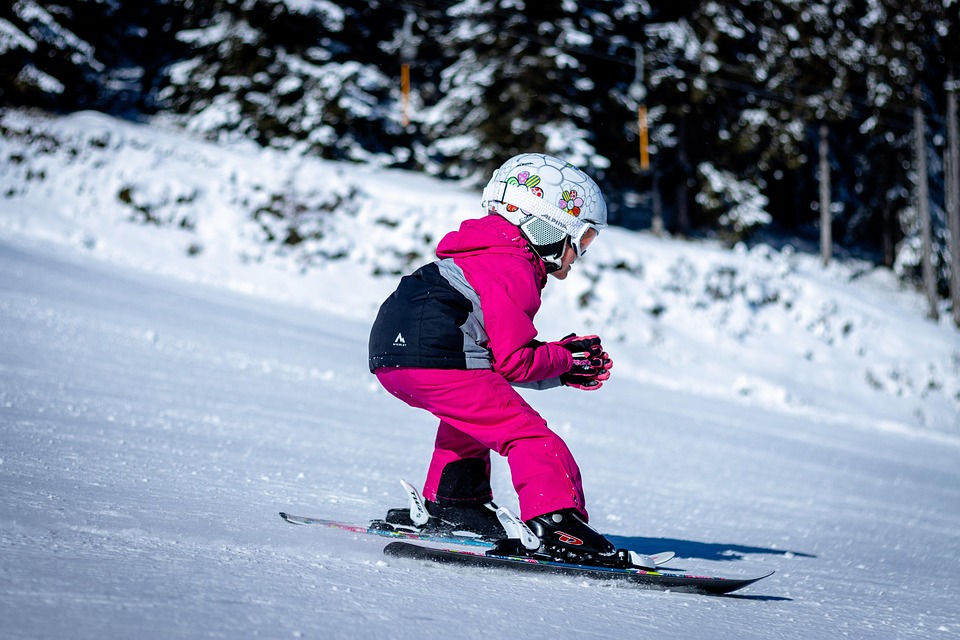
For those new to alpine skiing, mastering basic techniques is crucial for a safe and enjoyable experience. This includes learning the snowplow technique, which helps control speed and direction. Skiers should focus on bending their knees and maintaining a balanced stance, allowing for more effective weight distribution.
Another critical beginner technique is the wedge turn, where skiers form a “V” shape with their skis to slow down or navigate turns. Incorporating elements like shoulder rotation can improve turn initiation and fluidity.
Intermediate Techniques to Elevate Your Skills
Once you’ve grasped the basics, it’s time to delve into intermediate techniques. One fundamental is parallel skiing, where both skis remain parallel throughout turns. This technique allows for greater control and speed, especially on varied terrain.
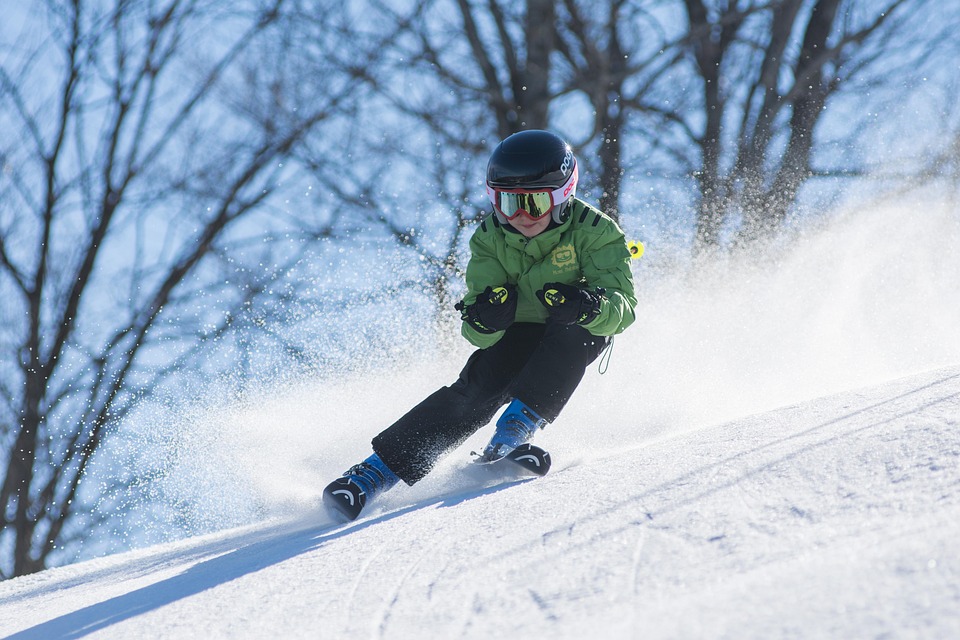
A crucial aspect of mastering parallel turns is understanding edging, where the skier shifts weight onto the edges of their skis to carve turns. This more dynamic movement enhances speed and allows for smoother transitions between turns.
Athlete Example: Lindsey Vonn
Lindsey Vonn, one of the most celebrated alpine skiers, exemplifies the efficiency of parallel skiing and edging. Throughout her career, she demonstrated how a well-executed carve can drastically improve speed during downhill racing, contributing to her multiple World Cup victories.
Advanced Techniques for Competitive Racing
Advanced skiers must master complex techniques such as dynamic carving and mogul skiing. Carving involves using the edges of the skis to create clean arcs in the snow, delivering precision and speed. Skiers can practice dynamic carving by traversing varied slopes to develop balance and control.
Mogul skiing presents additional challenges, requiring skiers to navigate through bumps while maintaining speed and rhythm. Proper pole planting and body position are essential for success in this discipline.
Key Skills: Jumping Techniques
For advanced skiers, jumping techniques offer yet another level of skill. Mastering take-offs, landings, and aerial maneuvers enhances performance in terrains like terrain parks or during races. Practicing on smaller jumps allows skiers to build confidence before tackling larger features.
The Importance of Recovery and Mindset
Recovery plays a crucial role in enhancing skiing performance. Active recovery techniques such as dynamic stretching and proper nutrition can help re-energize muscles post-skiing. Additionally, a winning mindset is essential, particularly under the pressure of competition. Learning to manage nerves and focus can significantly improve performance.
Cultivating a positive mental attitude, especially after a fall, is vital for recovery. Athletes like Mikaela Shiffrin exhibit an unwavering focus and resilience, setting a standard for aspiring skiers.
Key Takeaways: Techniques for All Levels
- Emphasize Balance: Beginners should focus on maintaining a balanced stance for better control.
- Wedge Turning: Initiate turns through the wedge technique for gradual learning.
- Parallel Skiing: Transition to parallel turns for improved speed and turning efficiency.
- Mastering Edging: Use edges effectively to carve more dynamic turns.
- Dynamic Carving: Advanced skiers should employ carving techniques to enhance speed in races.
- Recovery Strategies: Implement active recovery and nutrition for optimal performance.
- Mental Resilience: Develop a positive mindset to recover effectively from falls.
To master alpine skiing, begin with fundamental techniques, progressively incorporate advanced skills, and prioritize recovery and mental resilience. A practical step for immediate improvement is to practice dynamic carving drills on slopes to enhance edging skills while maintaining balance. Embark on this journey, and experience the thrill and satisfaction of conquering the slopes!