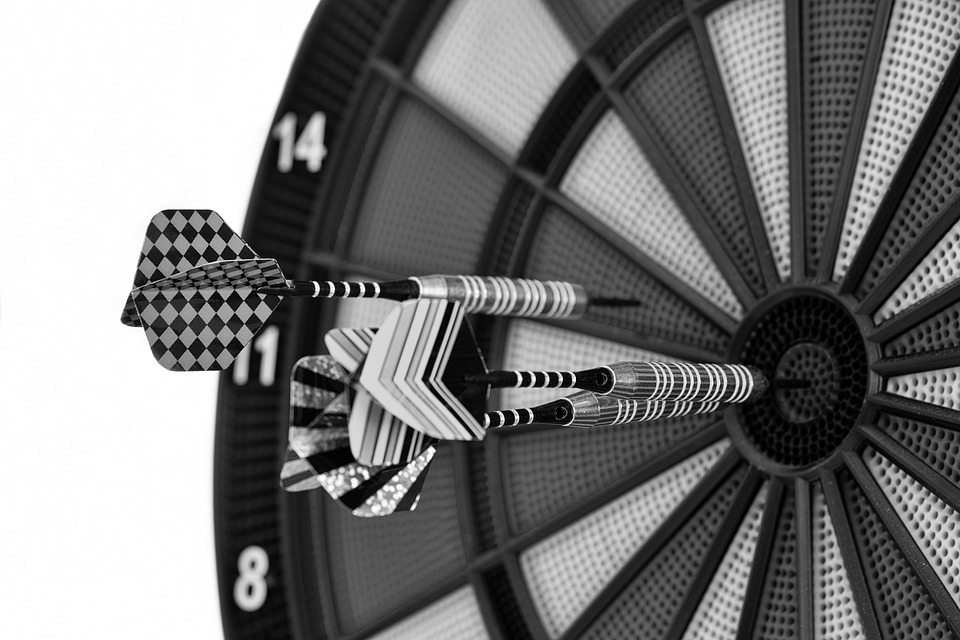


Darts may seem simple on the surface, but the right equipment can significantly impact your game. Understanding the nuances of darts equipment is crucial for players at all levels. This guide aims to equip you with the knowledge needed to select the best gear for your darts journey.
As darts gains popularity globally, from local leagues to professional tournaments, recognizing how specific equipment affects performance is more vital than ever. Whether you’re a seasoned player or just starting out, knowing the ins and outs of darts gear can enhance your gameplay.
Understanding Dart Types
The first step in choosing the right darts is understanding the different types available. Darts typically come in three main varieties: steel-tip, soft-tip, and tungsten.
Steel-tip Darts
Steel-tip darts are primarily used in traditional formats and professional play. They feature a steel tip that allows them to penetrate a bristle dartboard, providing a robust scoring option. They typically range in weight from 18 to 26 grams. For example, professional player Michael van Gerwen favors a specific setup of steel-tip darts that balances weight and grip, optimizing his precision.
Soft-tip Darts
Soft-tip darts are designed for electronic dartboards, commonly found in pubs and arcades. They have a plastic tip, making them safer and easier to handle for beginners. Players like Phil Taylor often recommend soft-tip darts as an introduction to the sport due to their lighter design, usually between 14 to 20 grams.
Dart Materials and Weights
Equally important is the material and weight of the darts. The most commonly used materials are tungsten and brass.
Tungsten vs. Brass Darts
Tungsten darts are denser, allowing for a slimmer design without compromising weight. This makes them ideal for players who prefer tighter grouping. In contrast, brass darts are bulkier and often cheaper, suitable for casual play. For instance, many amateur players start with brass before transitioning to tungsten as their skills improve.
Choosing the Right Flight and Shaft
Flights and shafts may seem minor, but they significantly influence dart stability and trajectory.
Flight Shapes and Sizes
Flights come in various shapes—standard, slim, and pear-shaped—each providing different aerodynamic properties. Standard flights offer more stability, while narrow ones can increase speed. The choice largely depends on your throwing style; for example, a player like Gary Anderson may gravitate towards standard flights for maximum control.
Shaft Length and Material
Shafts are typically made of nylon or aluminum, with lengths varying from short to medium to long. Longer shafts can give more stability but may sacrifice speed. A successful combination often requires trial-and-error to find what fits your unique style best.
Essential Accessories
In addition to the primary gear, several accessories can enhance your darting experience.
Dart Cases and Boards
Investing in a quality dart case protects your equipment and keeps it organized. There are numerous styles available, from soft cases to hard-shell options. Furthermore, the right dartboard is crucial; professional boards like those endorsed by the Professional Darts Corporation (PDC) offer superior durability and playability.
Scoreboards and Markers
Proper scoring equipment, whether electronic or chalkboards, along with quality markers, ensures accurate tracking of scores during games. Utilizing these tools can significantly enhance your gameplay experience, especially in competitive settings.
Expert Insights on Equipment Selection
Choosing the right darts equipment isn’t just about purchasing what’s popular—it’s about understanding how each piece will affect your performance. Renowned players often emphasize the importance of comfort and personal preference in gear selection.
For instance, having a consistent grip on your dart can dramatically improve your accuracy. As you explore different options, keep in mind that your ideal setup may come down to personal trial and adjustment, much like players such as Fallon Sherrock have demonstrated in their careers.
Key Takeaways: The Ultimate Guide to Darts Equipment
- Select the Right Type: Choose between steel-tip and soft-tip darts based on your playing environment.
- Material Matters: Opt for tungsten for advanced play or brass for beginners.
- Flight and Shaft Impact: Experiment with different flight shapes and shaft lengths for optimal performance.
- Invest in Accessories: Quality dart cases and suitable dartboards enhance the overall experience.
- Personal Preference is Key: Tailor your equipment to your unique playing style for best results.
In conclusion, selecting the right gear in darts is essential for both performance and enjoyment. Assess your playing style and preferences, and invest wisely in equipment that supports your development in this exciting sport. Whether you’re throwing for fun or aiming for professional play, the right gear will elevate your game.