

Road cycling is a thrilling endeavor that offers immense physical and mental rewards. Whether you are just starting or you’re a seasoned veteran looking to refine your skills, this ultimate guide provides essential tips, techniques, and insights to enhance your cycling experience.
Understanding the art of road cycling is vital for riders at all levels. With the growing popularity of the sport, it’s important to equip yourself with the right knowledge and strategies to thrive on the bike. This guide aims to share invaluable insights that can benefit both beginners and experienced cyclists on their journey to improvement.
Essential Techniques for Beginners
Mastering fundamental cycling techniques is key for new cyclists. Proper bike handling, pedaling efficiency, and body position can drastically affect performance.
Starting with bike handling, beginners should focus on maintaining a stable grip while maneuvering through corners. Practicing riding in a straight line and using correct hand signals while turning can enhance safety and control.
Pedaling effectively involves using a smooth, circular motion rather than just pushing down on the pedals. This technique helps to maximize efficiency, especially during prolonged rides. For instance, professional cyclist Chris Froome famously utilizes a high-cadence pedaling style, which aids in maintaining speed with less effort.
Advanced Techniques for the Pros
For seasoned cyclists, enhancing speed and efficiency requires advanced techniques. Cornering strategy and climbing tactics play a pivotal role in improving overall performance in competitive settings.
Climbing techniques can be refined by focusing on maintaining cadence while adjusting body position. Positioning yourself in a more aerodynamic stance can help decrease drag. Riders like Tadej Pogačar demonstrate the importance of managing energy output on climbs to maintain a competitive edge.
Case Study: The Significance of Drafting
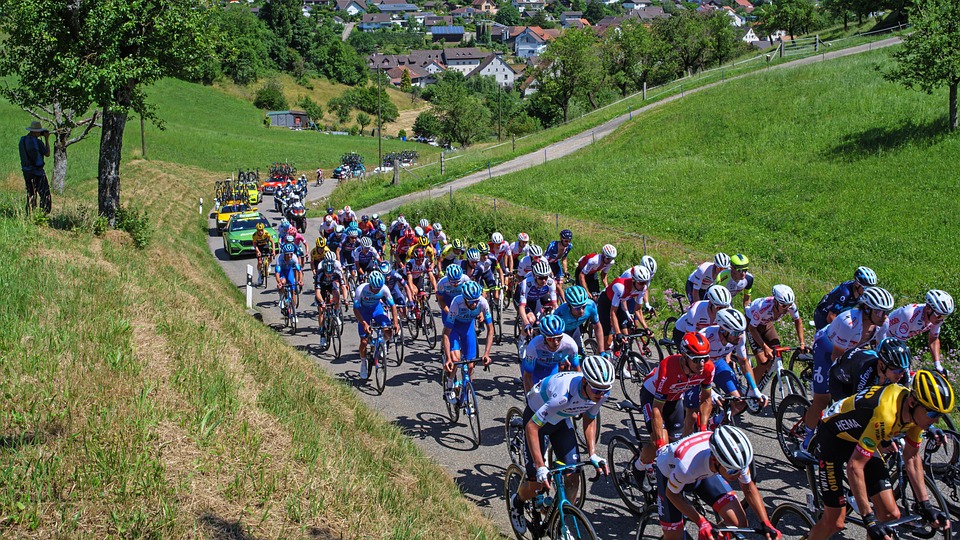
In team dynamics, drafting during races is crucial. Riders positioned closely behind one another can conserve energy, which is essential in stage races. During the 2021 Tour de France, the UAE Team Emirates effectively utilized drafting strategies, allowing their lead riders to maintain high speeds with lower exertion.
Building Endurance: A Cornerstone of Training
Endurance training is a must for all cyclists, regardless of skill level. Incorporating long rides and interval training helps increase stamina and boosts performance.
Beginner cyclists can start with structured endurance rides—these are long, steady-state efforts that build foundational fitness. For more advanced riders, integrating interval training can significantly enhance speed and power. This involves alternating between periods of high intensity and recovery, preparing cyclists for race scenarios.
Practical Application: Recovery Protocols
Recovery is equally vital in a training regimen. Methods such as adequate hydration, sleep, and active recovery sessions should not be overlooked. Incorporating practices like foam rolling and ice baths aids in muscle recovery, allowing cyclists to optimize their training cycles.
The Psychology of Racing
The mental aspect of cycling can influence performance significantly. Understanding focus and decision-making under pressure is vital, especially in critical race moments.
Top cyclists practice visualization techniques to prepare for various race scenarios, enhancing focus and resilience. For example, riders in the final kilometers of a race must remain calm and decisive to navigate risks and opportunities. This psychological preparedness was evident in Marianne Vos’s strategy during her stellar performances in both road racing and cyclo-cross.
Key Takeaways: The Ultimate Guide to Road Cycling
- Master basic bike handling and pedaling techniques.
- Adopt advanced climbing tactics and drafting strategies.
- Implement structured endurance rides complemented by interval sessions.
- Prioritize recovery strategies including sleep and hydration.
- Develop mental focus through visualization and decision-making exercises.
Cycling is a multifaceted sport that rewards skill, strategy, and mental toughness. To take your riding to the next level, consider incorporating a structured interval session into your training this week. For example, aim for 5 sets of 3-minute high-intensity efforts followed by 2 minutes of recovery—this can greatly improve your endurance and speed on the road.