
Training regimens for world-class figure skaters are disciplined and multifaceted, combining physical conditioning, technical practice, and mental preparedness. To excel at the elite level, skaters must master not only the technical elements but also their physical and psychological resilience.
The importance of understanding these training regimens extends beyond mere curiosity; it serves as a blueprint for aspiring skaters, coaches, and enthusiasts aiming to appreciate the complexities of preparing for competitive success. With the rise of global competitions and increased athletic standards, analyzing these regimens reveals the hidden secrets to achieving excellence on the ice.
Comprehensive Physical Conditioning
World-class figure skaters undergo rigorous physical conditioning that targets strength, flexibility, and endurance. Training often includes a mixture of on-ice practice and off-ice workouts.
Off-ice training focuses on enhancing core strength and stability, critical for executing intricate jumps and spins. Elite athletes like Nathan Chen, a two-time World Champion and Olympic medalist, incorporate rigorous strength training into their routines. Reports note that he performs exercises such as weightlifting and plyometric drills to improve explosive power crucial for jumps, ensuring optimal performance during competitions.
Flexibility is equally vital in figure skating. Top skaters often engage in activities like yoga and Pilates to enhance their range of motion, helping them execute complex footwork routines and difficult spins without injury.
Technical Skill Development
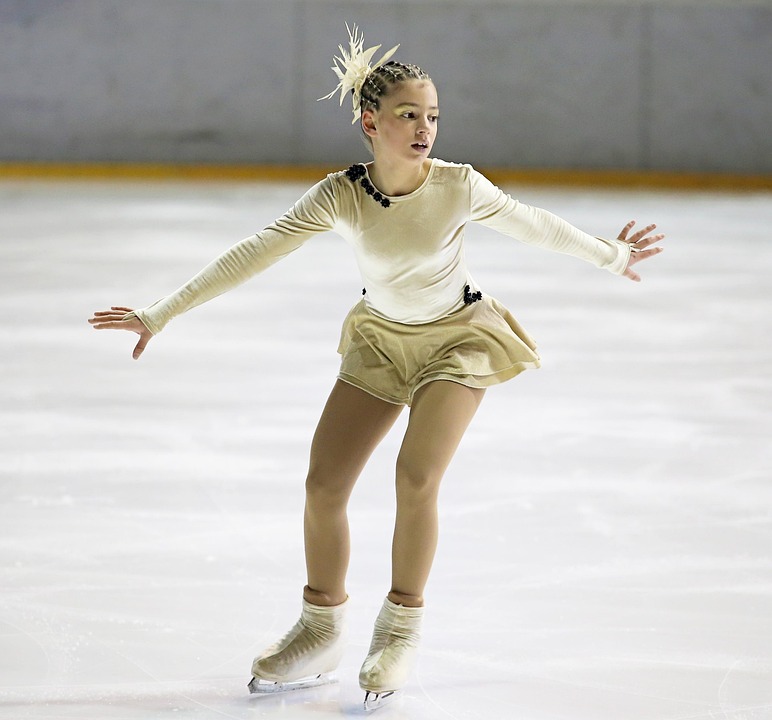
Figure skating is characterized by its technical difficulty, which requires skaters to perform a range of jumps, spins, and footwork sequences seamlessly. The training regimens of elite skaters include intensive drilling of these skills, often described as the “technical meeting” with coaches.
For instance, Olympic champion Yuzuru Hanyu emphasizes repetition in his training. He practices jumps like the quadruple toe loop and Lutz extensively to achieve muscle memory, allowing him to perform under pressure. Each practice session can last several hours, focusing on perfecting specific elements while integrating choreography to develop performance fluidity.
Case Study: The Training Regimen of Alina Zagitova
Alina Zagitova, 2018 Olympic gold medalist, showcases the balance between technical prowess and artistry in her training. Her regimen includes:
- Daily Ice Time: 4–6 hours of skating practice.
- Off-Ice Training: Cardiovascular training and ballet classes for flexibility and posture.
- Nutrition Plans: Tailored diets that ensure optimal energy levels and recovery.
Mental Preparation Strategies
The psychological aspect of competition is often overlooked, yet it plays a crucial role in a skater’s success. High-pressure moments can make or break a performance, so mental resilience is a key focus in training. Coaches often implement mental conditioning techniques such as visualization, mindfulness exercises, and performance simulation.
Skaters like Michelle Kwan have historically shared the importance of mental strength, attributing it to her success in major competitions. Kwan often practiced visualization techniques before performances, allowing her to mentally rehearse her routines and reduce anxiety.
Practical Insight: Handling Competition Pressure
Mental resilience is critical for athletes to cope with competition pressure. This involves:
- Visualization Techniques: Imagining successful performances to build confidence.
- Mindfulness Exercises: Engaging in meditation to maintain calmness.
- Support Systems: Relying on coaches and teammates for encouragement.
Recovery Protocols
After intense training and competitions, skaters must prioritize recovery to prevent injuries and maintain peak performance levels. Common strategies involve rest and rehabilitation techniques, dietary considerations, and specific recovery practices.
World-class figure skaters often implement:
- Sleep Protocols: Ensuring 7–9 hours of quality sleep nightly to facilitate recovery.
- Active Recovery: Incorporating light exercises, such as swimming or cycling, to promote blood flow without excessive strain.
- Foam Rolling and Ice Baths: These methods aid in muscle recovery post-training, reducing soreness and improving flexibility.
Key Takeaways: Training Regimens of World-Class Figure Skaters: Secrets to Success
- Diverse Training: World-class skaters balance on-ice skills with off-ice strength conditioning and flexibility.
- Repetition & Technical Drills: Mastery of jumps and spins requires extensive practice and focus on technical details.
- Mental Toughness: Visualization and mindfulness are critical for coping with competitive pressure.
- Structured Recovery: Effective recovery strategies are essential for maintaining performance levels and preventing injury.
- Elite Examples: Skaters like Nathan Chen, Alina Zagitova, and Yuzuru Hanyu exemplify the effectiveness of disciplined training regimens.
The training regimens of world-class figure skaters undoubtedly reveal the secrets to success. By incorporating rigorous physical, technical, and psychological training, these athletes are not only preparing for sports but crafting their legacies on the ice. For aspiring skaters and coaches, these insights serve as a vital resource for achieving excellence in figure skating.