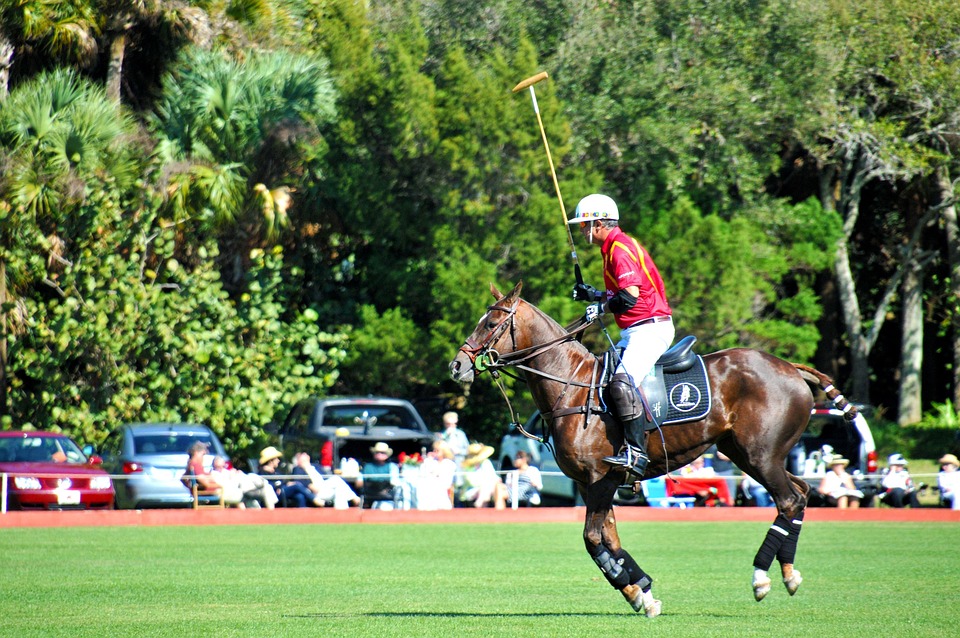


Polo is a high-speed, strategic sport that combines skill, teamwork, and precision, making it both exhilarating and complex. For beginners, grasping the fundamental rules is essential to enjoying and appreciating the game fully. This guide aims to illuminate the crucial regulations governing polo, empowering newcomers to enter the field with confidence.
Understanding the rules of polo not only enhances your enjoyment of the sport but also positions you to engage meaningfully with players and enthusiasts alike. As this robust sport gains popularity worldwide, knowing these rules becomes even more pertinent for players, coaches, and fans.
Basic Gameplay Rules
Polo is played between two teams, each consisting of four players. The primary objective is to score goals by hitting a ball through the opposing team’s goalposts using a mallet. Matches are divided into chukkas, typically lasting seven minutes, with the number of chukkas varying per tournament—most commonly, either four or six.
Players must adhere to rules that ensure competitive fairness. Among these are “the right of way” and “fouls.” Understanding the right of way is critical; it is a fundamental concept that dictates player movements and interactions during play. The player with the ball has precedence, and others must steer clear to avoid obstruction.
Foul Play and Penalties
Fouls are integral to the game, ensuring player safety and competitive integrity. Common fouls include crossing the line of the right of way, which can lead to free hits for the opposing team. Penalties are awarded based on the severity of the infraction, ranging from a free hit to a penalty shot taken from various distances. Notably, the ability to convert these penalty opportunities can significantly affect match outcomes.
Player Handicaps
In polo, each player is assigned a handicap, a numerical representation of their skill level. Handicaps range from -2 to 10, with 10 representing the most skilled players, like Adolfo Cambiaso, often regarded as one of the best polo players in history. Handicaps determine match dynamics, allowing teams of varying abilities to compete. Understanding how these handicaps function is critical for both players and fans, as they play a pivotal role in tournament structure and competitive balance.
Throw-In Rules
In cases where the ball goes out of play or a foul occurs, a throw-in occurs. The referee will toss the ball between players from both teams positioned at the center of the field. This essential rule maintains game continuity and can serve as a renewed opportunity for teams to gain possession.
Referee Signals
Referees play a fundamental role in maintaining game flow and fairness, employing various signals to communicate calls to players, coaches, and spectators. For instance, an arm raised vertically indicates a foul being called, while waving the arms horizontally signals the end of play. Familiarity with these signals enhances viewers’ understanding of the game dynamics and fosters deeper engagement during matches.
Practical Application in Matches
Consider the 2021 Argentine Open, where strategic fouls and impeccable adherence to the rules determined the finalists. Teams showcased their understanding of right of way and transition between defensive and offensive strategies, highlighting the importance of rules in competitive play. Beginners can glean from such high-stakes matches the necessity of mastering the rules to influence game tactics.
Key Takeaways: Understanding Polo Rules
- Polo features two teams of four players each, aiming to score goals by striking a ball.
- The right of way is fundamental, dictating player movements during matches.
- Fouls and penalties, with varying levels of severity, uphold game integrity and player safety.
- Handicaps define player skill levels and affect team dynamics in matches.
- Throw-ins are essential for maintaining game flow when the ball goes out of play.
- Understanding referee signals is crucial for players, coaches, and spectators alike.
In conclusion, embracing the rules of polo not only enriches your appreciation for the sport but also enhances your performance on the field. Whether you’re a player, coach, or fan, a solid grasp of these regulations is key to engaging with polo at a deeper level. As you venture onto the field, keep these insights in mind to elevate your game and enjoyment.