
Mastering road cycling techniques is crucial for any cyclist looking to improve their performance and overall enjoyment of the sport. In this article, we will delve into the essential techniques of pedaling, climbing, and descending—helping you ride like a pro.
Road cycling encompasses a blend of physical conditioning, tactical intellect, and technical proficiency. Whether you’re in a leisure ride or pushing for a personal best in a race, understanding these core techniques can enhance your cycling experience significantly.
The Art of Efficient Pedaling
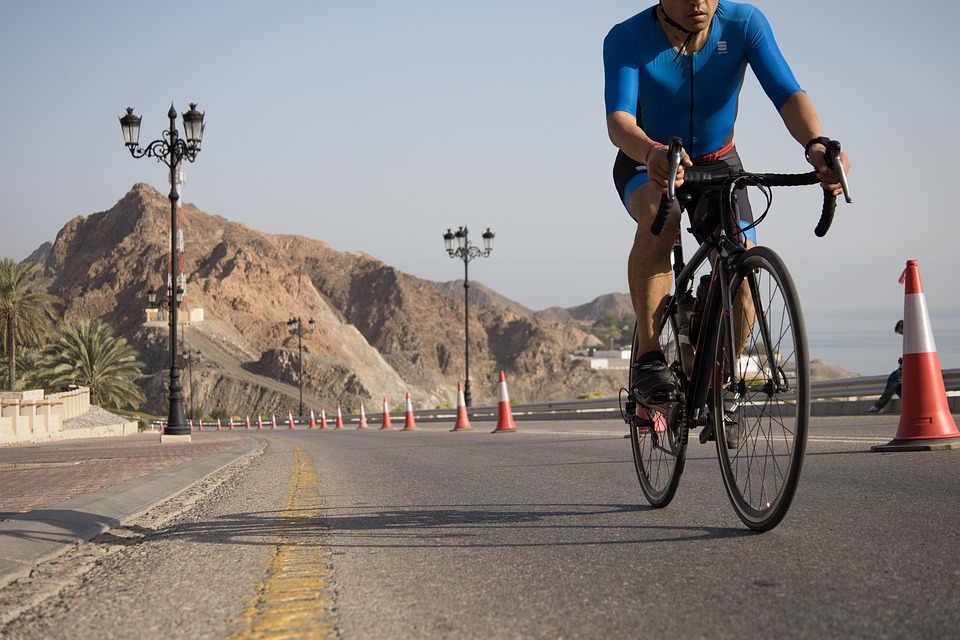
Pedaling efficiently is foundational to maximizing power output and maintaining speed on the bike. A smooth, circular pedaling motion increases cadence and reduces fatigue. This technique also minimizes the risk of injury, which can arise from an inefficient stroke.
Cyclists often rely on a power meter to analyze their performance. For instance, professional cyclists like Chris Froome have mastered the art of high-cadence pedaling, often exceeding 90 RPM for prolonged periods during races. This not only enhances aerobic efficiency but also allows for better energy management over long distances.
Key Components of Effective Pedaling
- Cadence: Aim for a cadence of 80-100 RPM for optimal performance. Too low can be inefficient, while too high may lead to burnout.
- Foot Position: Ensure your foot is flat on the pedal—incorrect positioning can lead to destabilization and loss of power.
- Engage Your Core: A strong core stabilizes your upper body, allowing for a more effective transfer of energy through your legs.
Climbing with Purpose
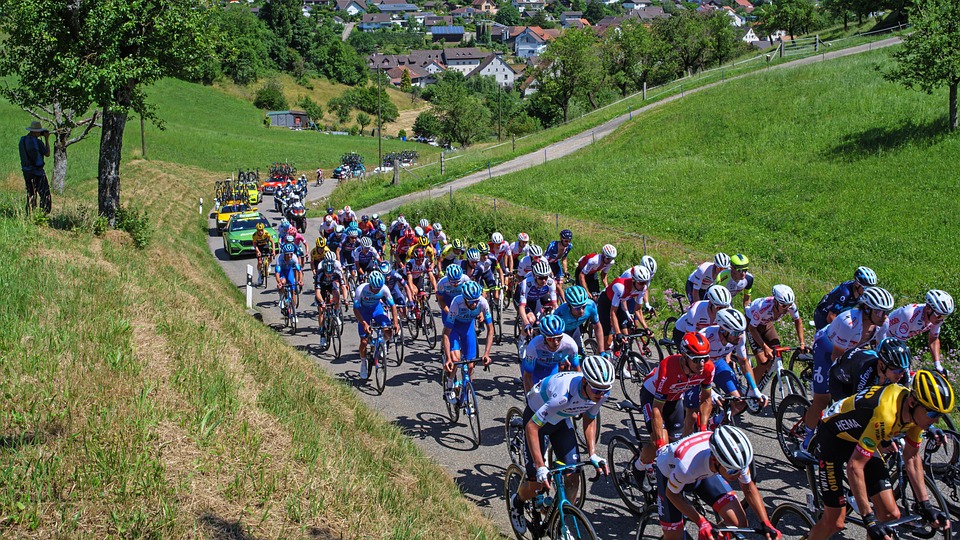
Climbing skills set elite cyclists apart from the rest. The ability to ascend steep inclines efficiently is a combination of technique, pacing, and physical power. Proper body position and gear selection are critical.
Take, for instance, the 2019 Tour de France where Julian Alaphilippe showcased exceptional climbing prowess in the high mountain stages. His strategy involved finding the right balance between acceleration and sustainability, illustrating that mental strength plays a pivotal role in climbing.
A Climbing Strategy That Works
To climb effectively, consider these strategies:
- Stay Seated: For lower gradients, sitting down provides better power output and stability.
- Use Your Gears Wisely: Shift gears early to maintain speed; spinning is generally more efficient than grinding.
- Body Positioning: Lowering your torso and keeping elbows relaxed can improve aerodynamics.
Climbing Drills To Implement
- Interval Sprints on Hills: Identify a hill and perform repeated sprints for shorter durations, focusing on maintaining your climbing technique under fatigue.
- FTP Testing: Monitor your functional threshold power during climbs, allowing adjustments to your training and strategy.
Mastering Descending Techniques
Descending requires a unique blend of confidence and skill. The ability to descend at speed while maintaining control can make or break a race. Proper technique not only enhances safety but also allows cyclists to regain momentum for the next climb.
The 2017 Giro d’Italia’s thrilling descents highlighted riders like Tom Dumoulin, who is known for his technical descending prowess. His ability to read road conditions and apex corners effectively showcases the importance of skillful descending.
Practical Descending Tips
- Body Positioning: Keep your elbows bent and body low, with your weight centered over the bike for stability.
- Brake Smartly: Use both brakes in a controlled fashion. Avoid sudden braking, especially in corners, to prevent skidding.
- Look Ahead: Consistently scanning the terrain helps in anticipating turns and obstacles, which builds confidence.
Descent Practice Sessions
- Technical Downhill Routes: Find roads with varying difficulty and practice navigating twists and turns to improve your skill level.
- Track Stand Drills: Practice balance at low speeds to enhance your bike handling.
Key Takeaways for Every Cyclist
- Pedaling Efficiency: Train for optimized cadence and core engagement.
- Climbing Technique: Focus on body position and gear management.
- Descending Control: Master braking techniques and body positioning for safety and speed.
- Set Specific Drills: Implement targeted exercises to refine your abilities in each area.
- Mental Focus is Critical: Visualize successful climbs and descents to improve performance.
The journey towards improving your cycling skills is a continuous one. Incorporate these techniques into your training regimen and consider adding specific drills focused on pedaling, climbing, and descending.
As a practical action, try testing your climbing technique this week. Select a local climb, gauge your power output, and implement the suggested techniques. Happy riding!