
In the dynamic world of volleyball, success hinges on a comprehensive training regimen that cultivates essential skills. This guide delves into effective methods to elevate your game, ensuring that players, coaches, and enthusiasts can maximize every aspect of their performance.
Understanding how to elevate your volleyball skills is crucial in today’s competitive environment. Whether you’re a newcomer or a seasoned player, harnessing the right training techniques can lead to significant improvements on the court. This guide will focus on training strategies that enhance core skills, conditioning, and tactical awareness.
Essential Drills for Skill Enhancement
Training for volleyball encompasses various drills designed to improve fundamental skills. Focusing on passing, serving, and spiking can set a solid foundation for more advanced techniques.
For passing, employing the “Four Corner Drill” can be highly effective. In this drill, players position themselves at each corner of a designated area. The objective is to pass the ball accurately to a teammate stationed at a different corner, emphasizing footwork and hand position. This drill can be practiced in real-match scenarios, fostering communication and teamwork.
Equally important is serving. The “Target Serve Drill” focuses on varying types of serves, including underhand and overhand. Players aim to hit specific areas on the court, honing their accuracy and serving strategy.
Strength and Conditioning for Volleyball Players
Incorporating strength and conditioning into your training regimen is vital for building the physical resilience required in volleyball. Focus on dynamic exercises that enhance muscle strength, explosiveness, and endurance.
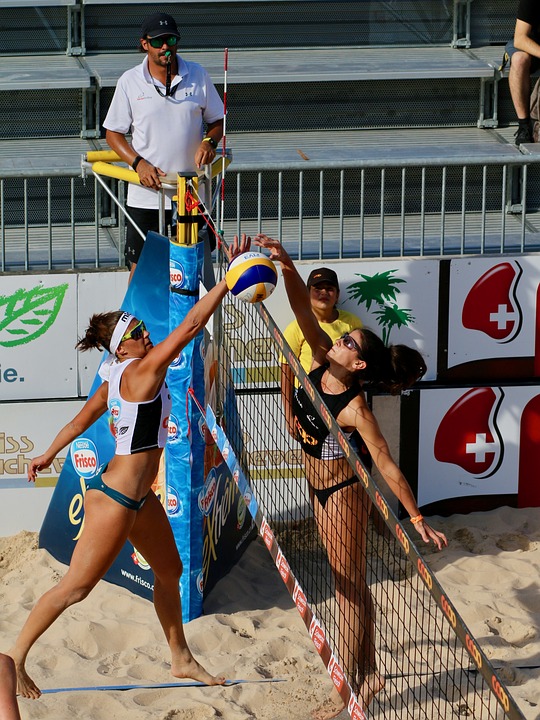
Plyometric exercises like box jumps not only develop leg strength but also increase your vertical jump, a critical attribute for effective spiking and blocking. Additionally, core strengthening exercises, such as planks and medicine ball rotations, improve stability and overall balance during matches.
Research indicates that enhancing physical fitness alongside technical skills results in better performance on the court. Athletes should aim for comprehensive training sessions that balance skill drills with fitness components to achieve optimal performance.
Technical Breakdown: The Art of Spiking
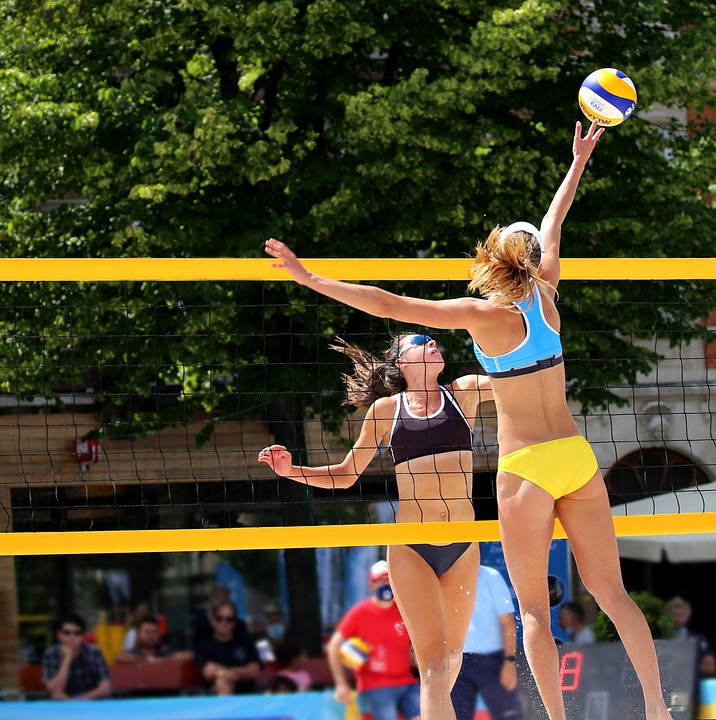
To master spiking, attention to timing and approach is essential. Players should practice the three-step approach: first, the initial step should be quick to build momentum; second, a powerful second step pushes off the ground; and lastly, the final step should place you in the optimal position to jump.
Understanding the timing with the setter is equally important. The hitter must gauge the setter’s position and anticipate the ball’s trajectory to execute an effective spike. This synchronized movement creates a fluid offensive play, contributing to scoring efficiency during matches.
Tactical Awareness and Game Strategy
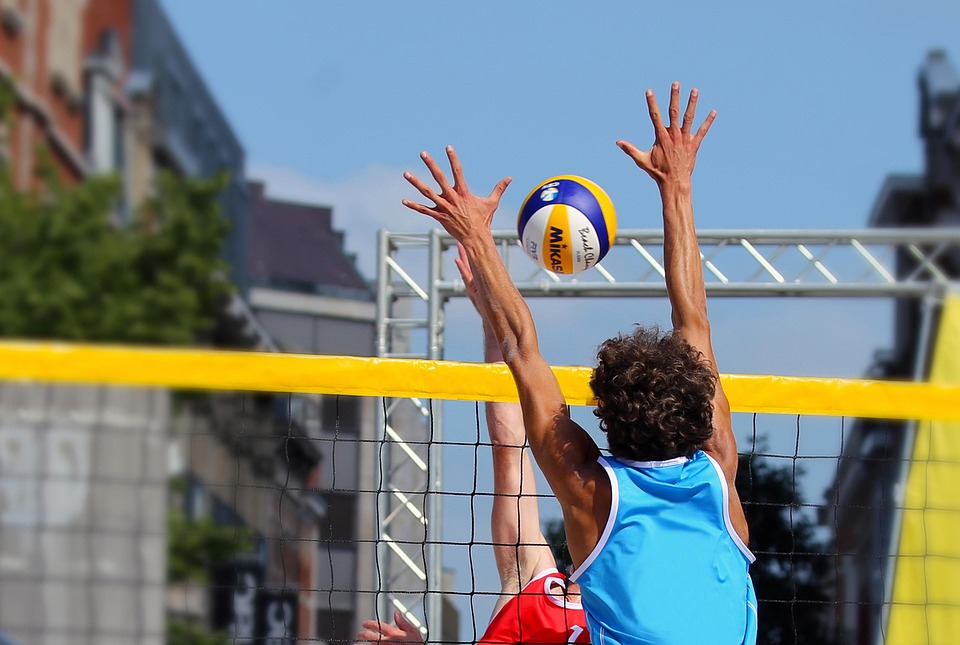
Effective volleyball training extends beyond physical skills to incorporate tactical awareness. Players should study various offensive systems, such as quick attacks or back-row attacks, which can disrupt an opponent’s defense. Understanding defensive positioning is equally critical. Players must work on reading attackers and positioning themselves to execute successful digs or blocks.
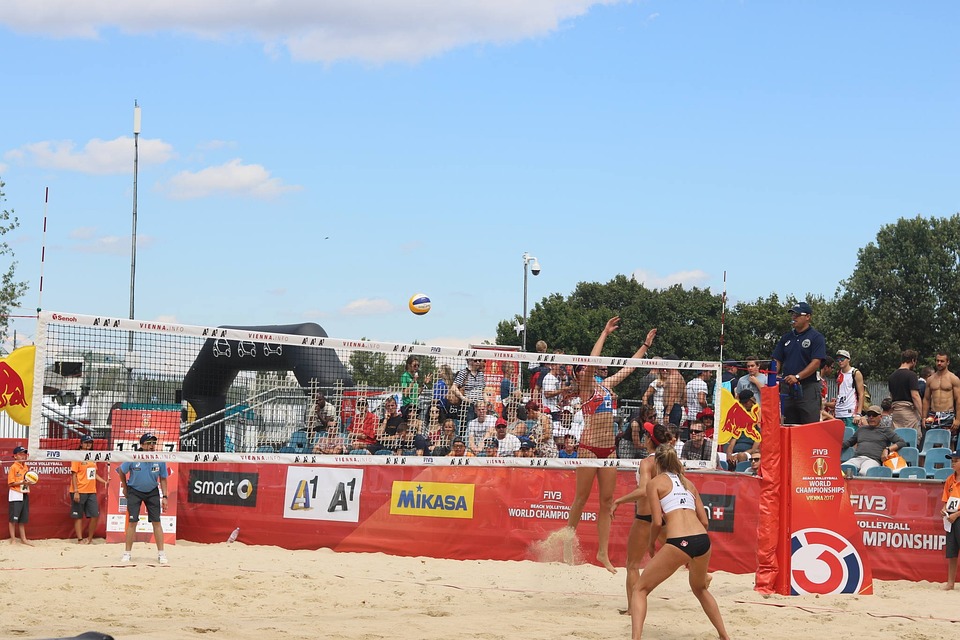
Watching top-tier matches, such as the FIVB World Championships, can provide insights into advanced strategies. Observing how elite athletes like Karch Kiraly or Zhu Ting execute plays will help players understand tactical versatility and situational decision-making.
Real-World Application: Match Scenarios
In practice scenarios, simulate match conditions during training. Create environments that replicate high-pressure situations, allowing athletes to practice responses to game-like stress. For example, conducting drills where players need to rally back from a set point deficit can instill mental resilience—an often overlooked facet of training.
Expert Insights: Building a Customized Training Plan
Consulting with experienced coaches can help athletes develop tailored training regimens that align with their specific goals. An individualized plan should focus on addressing personal weaknesses and enhancing strengths. Tracking progress through performance metrics can also guide adjustments in training methodologies.
Key Takeaways: Unlocking Your Potential in Volleyball
- Prioritize core skill drills (serving, passing, spiking) in your training sessions.
- Incorporate strength and conditioning exercises specific to volleyball.
- Focus on timing, approach, and technique for spiking success.
- Develop tactical awareness through studying match scenarios and strategies.
- Customize training plans with the guidance of experienced coaches.
- Regularly simulate match conditions in practice to enhance performance under pressure.
- Monitor progress and adapt training practices accordingly.
In conclusion, honing your volleyball skills requires commitment to structured training, both in physical conditioning and tactical awareness. For a specific drill to integrate into your regimen, consider the “Seated Spike” drill. Sit with your back against a wall and practice your spike motion from that position. This can help improve technique and explosiveness. By implementing these strategies, players can enjoy transformative growth in their volleyball journey.